
The Independent National Electoral Commission (INEC) has integrated artificial intelligence (AI) into its operations to detect administrative errors and numerical discrepancies in election results prior to official collation.
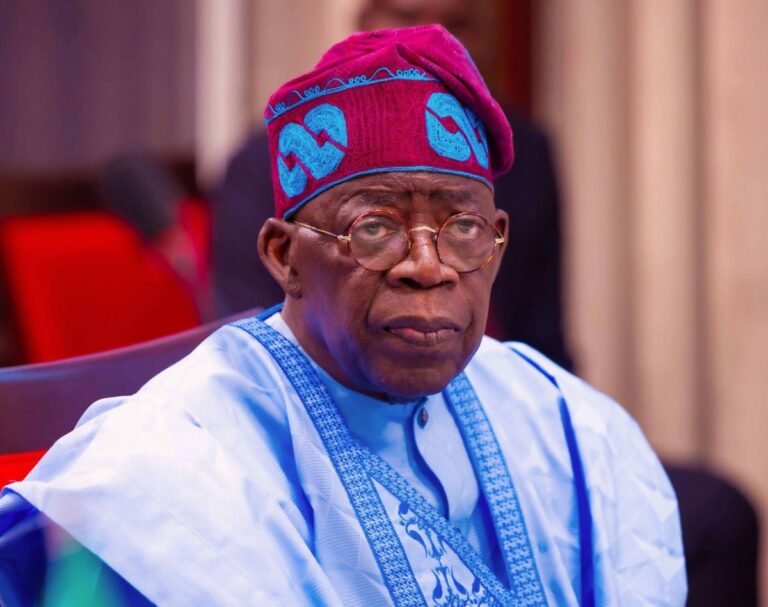
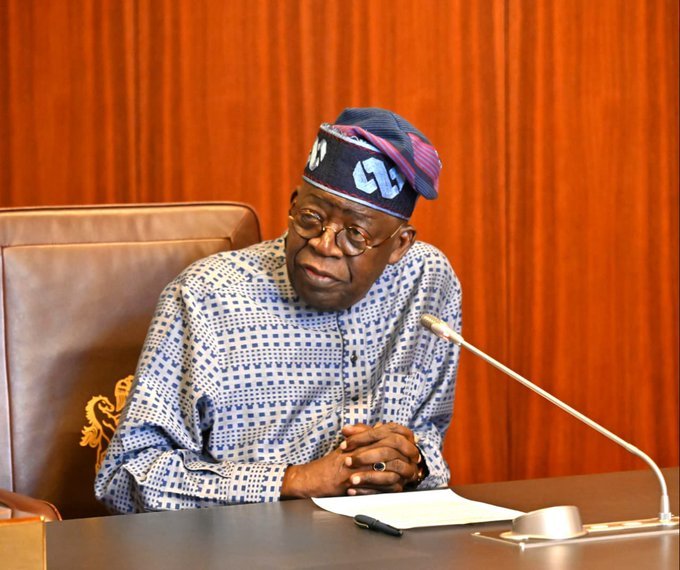
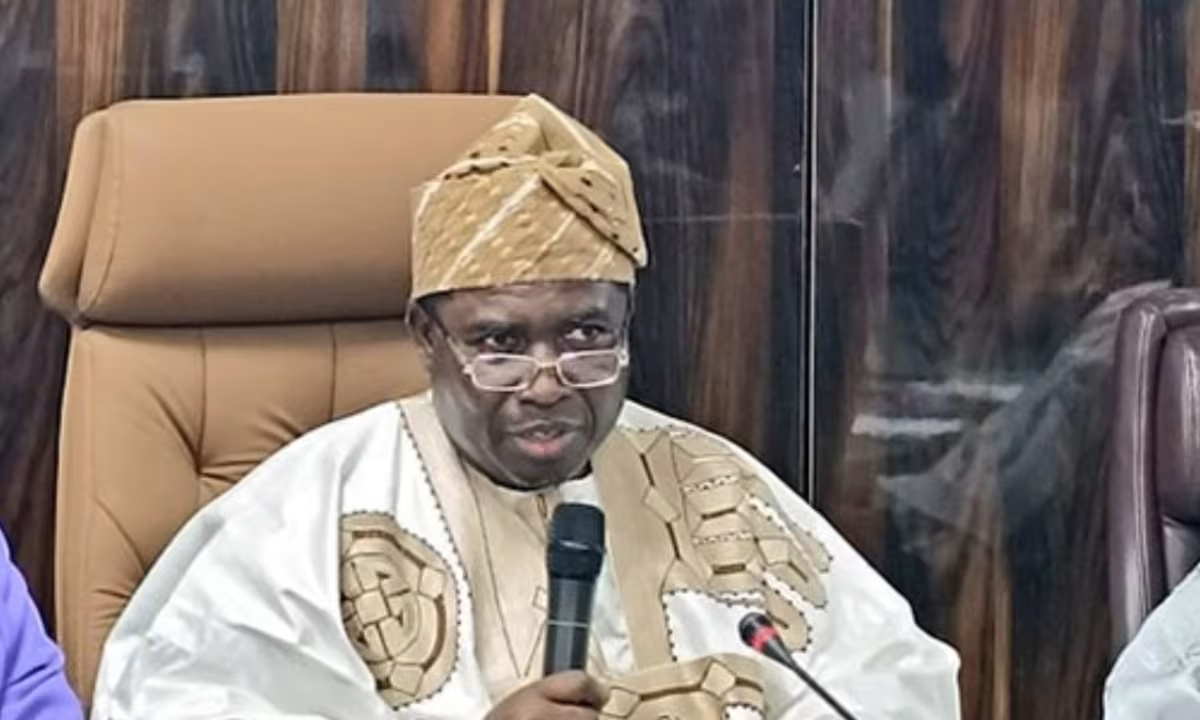
INEC Chairman Prof. Joash Amupitan disclosed the development at the 24th All Nigeria Editors Conference in Enugu, while warning that AI-generated misinformation poses a potential threat to public trust ahead of the 2027 presidential election.
Amupitan detailed that the commission established a dedicated Artificial Intelligence Division within its Information and Communication Technology (ICT) Department, alongside an AI Roadmap and Governance Framework anchored on human oversight, transparency, accountability, data protection, and cybersecurity.
“We have commenced deploying intelligent AI tools directly within our results management process. This technology automatically scans and detects discrepancies or administrative errors in result records before final validation,” he said.
The INEC Chairman emphasized that artificial intelligence will not replace human election officials, clarifying that all automated result verifications will remain subject to manual auditing and legal confirmation.
“Technology must complement, rather than replace constitutional institutions. AI must strengthen electoral integrity, improve public service, and always remain under human control,” he said.
Amupitan added that INEC is fortifying its safeguards against AI-generated fake result sheets, cloned voices of election staff, falsified official documents, and manipulated video content.
He stated that the commission consulted with senior executives from Google and Microsoft regarding cloud infrastructure security, threat mitigation, and cybersecurity resilience, while engaging the International Foundation for Electoral Systems on responsible AI integration and technical capacity building.
He warned that deepfakes and automated disinformation campaigns risk undermining public confidence in legitimate election results.
Threats ahead of the 2027 presidential election
Looking ahead to the 2027 general elections, Amupitan highlighted specific threats, including forged election postponement notices, cloned voice recordings directing the manipulation of voting devices, fraudulent videos of electoral officials announcing results, and altered result sheets.
He stated that the scale of the operation would make the 2027 elections particularly challenging, as voting will take place simultaneously across all 36 states and the Federal Capital Territory.
“Osun was a single-state exercise, 2027 will be across 36 states and the Federal Capital Territory,” he said.
According to Amupitan, the Presidential and National Assembly elections are scheduled for January 16, 2027, while the Governorship and State Houses of Assembly elections will be held on February 6, 2027.
He urged media organizations to prioritize rigorous verification in their election coverage and to resist the urge to amplify unverified online claims for trending engagement.
“The pressure on modern newsrooms to be first is immense. But in national elections, it is vastly more important to be right than to be first,” he said.
Read Also: 2027: ADC Raises Doubts Over INEC’s Ability to Protect Votes, Says “We Don’t Trust INEC to Protect Our Votes
Backstory…
INEC’s decision to deploy artificial intelligence to detect errors and fake election results comes after the commission identified AI-generated disinformation as a new threat to the credibility of the 2027 elections.
Concerns over generative AI have escalated over recent weeks. Earlier in September, INEC warned that AI tools have significantly lowered the cost and technical barriers to producing convincing synthetic audio, video, and imagery capable of deceiving voters.
The commission stressed that the risk extends beyond standard misinformation, as AI can be deployed to deliver hyper-targeted political messaging and tailor conflicting narratives to different voting demographics.
INEC had already begun reviewing its wider election technology ahead of 2027. The commission announced plans for a comprehensive technology audit covering system redundancy, penetration testing and disaster recovery, while also considering a mock presidential election to test voter accreditation, result transmission and result viewing under conditions similar to election day.
Read Also: INEC Sets November for Nationwide Mock Accreditation After Osun Poll Success