Nigeria’s higher education system stands at a vital crossroads. While our growing population continues to seek access to tertiary institutions, we must recognise that quantity without quality serves little purpose. A recent opinion piece raised an important concern: thousands of students remain unable to secure admission each year. But simply opening more universities isn’t the panacea—it’s quality that truly drives national development, not the mere proliferation of campuses.
This article comes at a time when the Minister of Education, Tunji Alausa, flagged a troubling reality: in one northern university, there are 1,200 staff serving fewer than 800 students, while 199 universities had fewer than 100 applicants via JAMB last year—and 34 of them received zero applications. Even more starkly, 64 colleges of education recorded no applicants at all.
These statistics reveal a stark imbalance—resources are being spread too thinly, and camouflaged duplication is worsening inefficiency. Meanwhile, many institutions suffer from crumbling infrastructure, inadequate staffing, and falling applications.
In response, the federal government recently imposed a seven-year moratorium on establishing new federal universities, polytechnics, and colleges of education—a bold and, in principle, sound move. This pause applies only to federal institutions; states and private players still retain the freedom to expand access where necessary, a vital complement in our system.
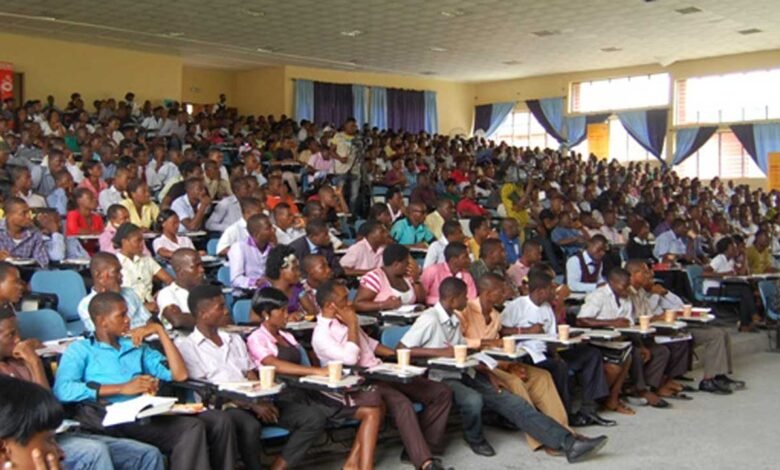
Investing Where It Matters: Infrastructure, Autonomy, Innovation
The moratorium should be viewed not as a constraint, but as a strategic opportunity. The federal government must now channel its efforts into fortifying the institutions under its control, leveraging this period to enact impactful, research-driven transformation.
Strengthening existing universities is far from cosmetic. It requires:
- Reliable electricity and high-speed internet—basic necessities for modern teaching, research, and digital scholarship.
- Upgraded libraries—with access to global journals and research databases that broaden academic horizons.
- Digitisation and resource harmonisation across African institutions, ensuring local scholarship gains visibility (as pursued by Research Africa).
Nigeria’s education landscape battles chronic underfunding, infrastructural decay, outdated curricula, teacher shortages, corruption, and high rates of out-of-school youth. While a moratorium alone can’t resolve all these challenges, it paves the way for holistic reform.
By focusing resources on fewer, stronger institutions, we create room for measurable improvements in teaching standards, research quality, and student outcomes. This is in line with long-standing calls from ASUU and others for a more focused, resource-conscious approach.
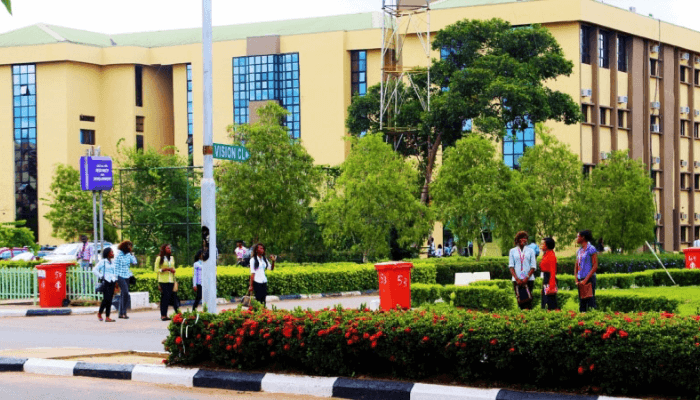
Depoliticising Higher Education: Decisions Based on Evidence, Not Politics
Too often, universities in Nigeria are created for political symbolism—responding not to educational need, but regional lobbying or populist demands. As the article noted, an effective moratorium can help depoliticise decision-making and introduce national coordination rooted in evidence and research.
The government can establish expert panels tasked with visiting campuses, auditing infrastructure, and assessing academic performance. Crucially, these panels should engage with stakeholders—students, faculty, administrators—so that decisions align with real institutional needs, not politics.
This strategic structure ensures that resources flow to where they can yield the most impact and that policymaking rests on data rather than expediency.
From Dormant Halls to Engines of Progress
Nigeria boasts abundant talent. Our students often shine when given the chance—yet what they need most is the right environment to nurture that talent at home.
A true university isn’t just a cluster of classrooms or a certificate mill. It’s a vibrant intellectual space—one equipped with modern facilities, supported academics, and energetic campus life. These are not luxuries; they form the backbone of quality education.
When institutions are under-resourced and understaffed, graduates—no matter how talented—are stymied. Instead of forging leaders and innovators, we risk turning out underprepared diploma holders. Alternatively, well-funded, well-managed universities can produce graduates who meet global standards, who research, innovate, and drive progress.
The seven-year hiatus isn’t a setback—it’s an invitation to recalibrate, to prioritise quality over quantity, and to reinvest in existing universities as motors of national and continental growth.
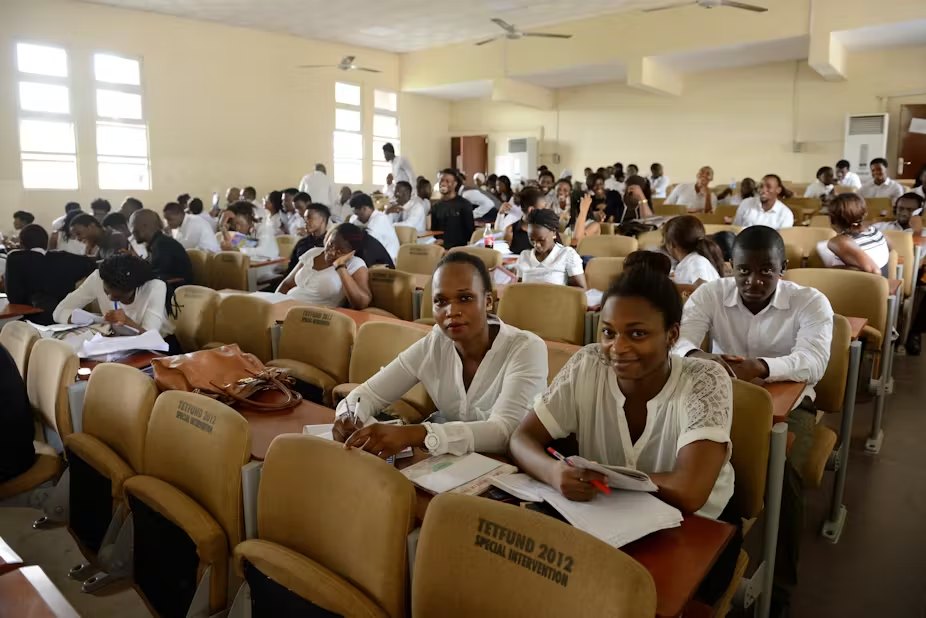
A Strategic Pause for Sustainable Elevation
Nigeria’s higher education sector can either chase numbers or chase excellence. Today, the evidence—and our future—suggests excellence is the clear choice.
By emphasising quality over proliferation, investing strategically in current institutions, depoliticising expansion, and rebuilding the foundational pillars—like infrastructure, autonomy, and academic vibrancy—we can turn our universities into true engines of innovation and leadership.
Let this moratorium become Nigeria’s higher education inflexion point—an intentional pause that leads us not to further fragmentation, but to cohesive strength and lasting progress.
Join Our Social Media Channels:
WhatsApp: NaijaEyes
Facebook: NaijaEyes
Twitter: NaijaEyes
Instagram: NaijaEyes
TikTok: NaijaEyes