In a bold move to address persistent challenges in Nigeria’s secondary school system, tech entrepreneur Divine Iloh, together with co‑founder Ebuka Osunwoke, has launched SabiScholar — an AI-driven, offline-first e‑learning platform tailored for African students. The platform is gaining traction for its potential to make high-quality education more accessible, especially in regions with poor internet connectivity.
Why SabiScholar Matters in Today’s Education Landscape
Earlier this year, panic spread across Nigeria’s education sector after the West African Examinations Council (WAEC) initially announced a dismal 38.32% pass rate for O’Level exams. While a later correction raised the rate above 60%, stakeholders argued that structural problems remain. According to Iloh, it was this backdrop of uncertainty and inequity that spurred the idea for SabiScholar, as reported by Techpoint Africa.
Iloh, a senior data analyst at Walmart, recalled how he and Osunwoke kept asking: Why do students in secondary schools still struggle to access quality online lessons, even when global education has gone digital? The realisation of that gap led them to build a more sustainable, inclusive learning system.
How SabiScholar Leverages AI to Overcome Connectivity Barriers
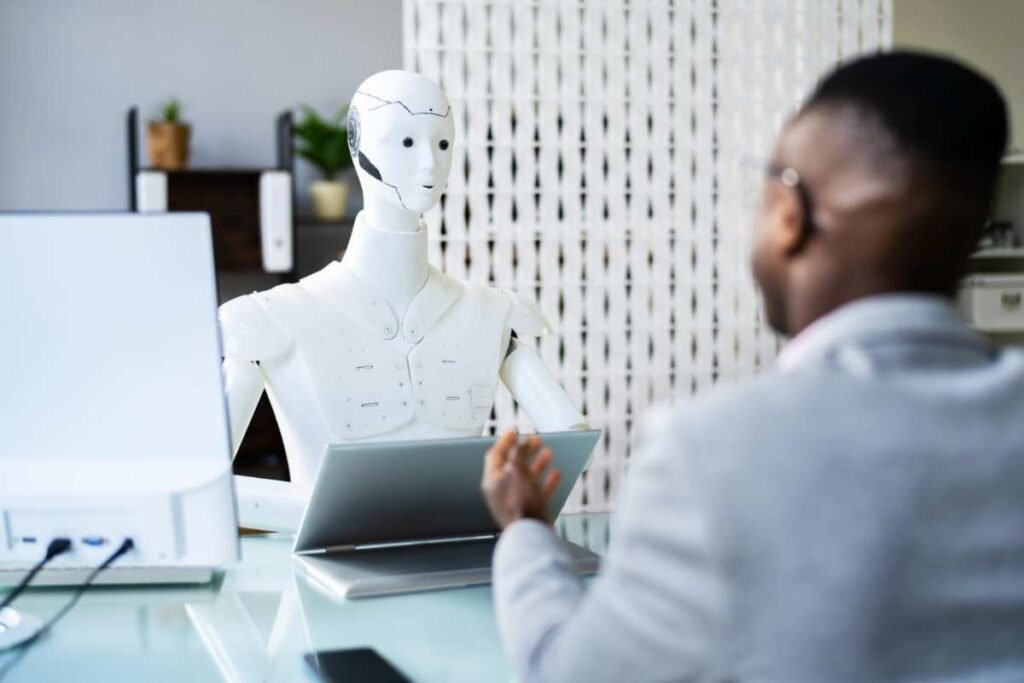
One of the most innovative features under development at SabiScholar is its predictive AI‑powered offline downloader. Because many students in Nigeria face poor or unreliable network connections, the system analyses when the user is likely to have access to the internet — perhaps between 12 a.m. and 5 a.m. — and automatically downloads video lessons, quizzes, and assignments for offline use.
While the patent for this delivery stack has been approved, Iloh notes that the feature is still in its research and implementation phase. Once fully integrated, however, it could radically change how students access learning materials, even in low-bandwidth areas.
To date, SabiScholar has focused primarily on O’Level exam preparation. The platform uses curriculum‑aligned, bite‑sized video lessons and concise lesson notes to make studying more efficient and tailored to the way students learn.
Personalised Learning + Career Guidance: The SabiScholar Advantage
SabiScholar is not just about content delivery. Its AI system also analyses a student’s academic history — their past exam performance, strengths, and favourite subjects, to generate individualised career pathways. This means it suggests possible university courses, likely institutions, and growth trajectories based on what the student enjoys and does well in.
On top of that, SabiScholar is rolling out tools for teachers and schools. Their AI-powered learning management system (LMS) is designed to relieve educators of time-consuming administrative burdens: automatically grading quizzes, generating lesson plans from government‑approved curricula, and even writing lesson notes so teachers can focus more on actual teaching.
Impact, Challenges, and the Road Ahead
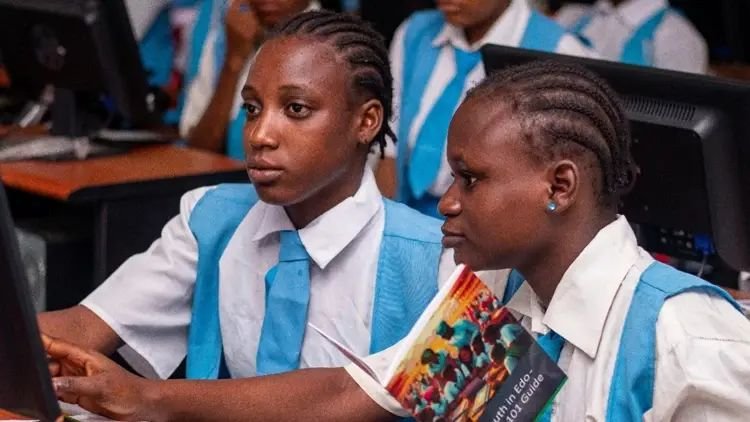
SabiScholar has run a pilot with more than 2,900 students in Nigeria, and early feedback has been encouraging. Some students reported significant improvements in exam performance, particularly those taking WAEC or UTME for the first time. According to Iloh, those who shared their results performed well above the national UTME average of around 180.
Several users praised the compactness and clarity of lessons. “It helped me prepare for my exams … my scores went up,” one student said. However, school-wide deployment is still in progress, with SabiScholar exploring partnerships with state governments and individual schools.
The company is currently bootstrapped. While no major funding has been secured yet, SabiScholar is actively discussing collaborations with education commissioners and authorities to subsidise costs and expand reach without charging students directly.
On the competition front, Iloh is clear: SabiScholar is not trying to mimic platforms like Coursera or Udemy. Rather than offering general skill‑training content, its mission is to democratise core secondary education. Many students in Nigeria and sub-Saharan Africa lack access to quality schools, not because they lack talent, but because the system is under-resourced. SabiScholar wants to fill that gap.
Why SabiScholar Could Be a Game‑Changer for Nigeria’s Education Future
In a country where connectivity remains a major hurdle, SabiScholar’s offline-first design addresses a real pain point. By using smart AI to predict when data is available and caching lessons for later use, the platform helps students learn seamlessly despite patchy network coverage.
Beyond access, the personalisation component is especially powerful. Students are not just consuming content — they are being guided based on their strengths, interests, and past performance. This isn’t one-size-fits-all; it’s tailored, future-oriented learning.
For teachers, the LMS could represent a major productivity boost. The automated tools reduce the administrative burden and free up time for real instruction and mentorship.
Finally, SabiScholar’s business model, leaning on partnerships rather than charging students directly, aligns with its mission to make quality education affordable and inclusive.

Conclusion
SabiScholar is more than just another edtech startup. It is a deeply thoughtful, context-driven response to systemic challenges in Nigeria’s education system, from unreliable internet to lack of mentorship, from exam pressure to financial barriers. With its AI-enabled features and inclusive ambitions, the platform has the potential to uplift thousands of students across the country.
While the road ahead is demanding, which includes scaling up, rolling out patented features, and securing sustainable partnerships, Divine Iloh and his team are already laying strong foundations. If they succeed, Nigeria could be witnessing a transformational shift in how secondary education is delivered and experienced.
Join Our Social Media Channels:
WhatsApp: NaijaEyes
Facebook: NaijaEyes
Twitter: NaijaEyes
Instagram: NaijaEyes
TikTok: NaijaEyes