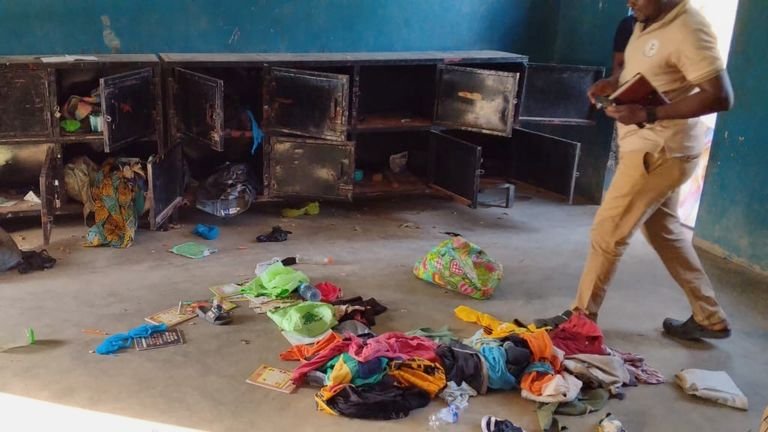

The wave of attacks targeting schools across Nigeria has deepened, sparking growing alarm among education stakeholders. On 28 November 2025, the Nigerian Academy of Education (NAE) issued a stark warning, raising concerns that the country’s education system, and by extension national development, may be teetering on the edge of collapse.
According to the NAE, the renewed surge in violent attacks, including kidnappings, raids and killings, has undermined not only learning, but broader confidence in education nationwide.

A Grim Track Record
The NAE recalls that the trend dates back more than a decade, citing high-profile cases such as the 2014 abduction of the girls of Government Girls Secondary School, Chibok. At least 92 school invasions have been recorded in the years following Chibok, involving the kidnapping of roughly 2,500 learners.
The most recent incident involved St. Mary’s School, Papiri — a Catholic institution in Niger State — where armed men struck in the early hours, abducting students and teachers.
Meanwhile, in Kebbi State, attackers raided Government Girls Comprehensive Secondary School, Maga, taking 25 female students and killing the vice-principal.
These recent events are part of a broader escalation that has forced school closures, disrupted academic calendars, and fuelled fear among students, parents and educators.
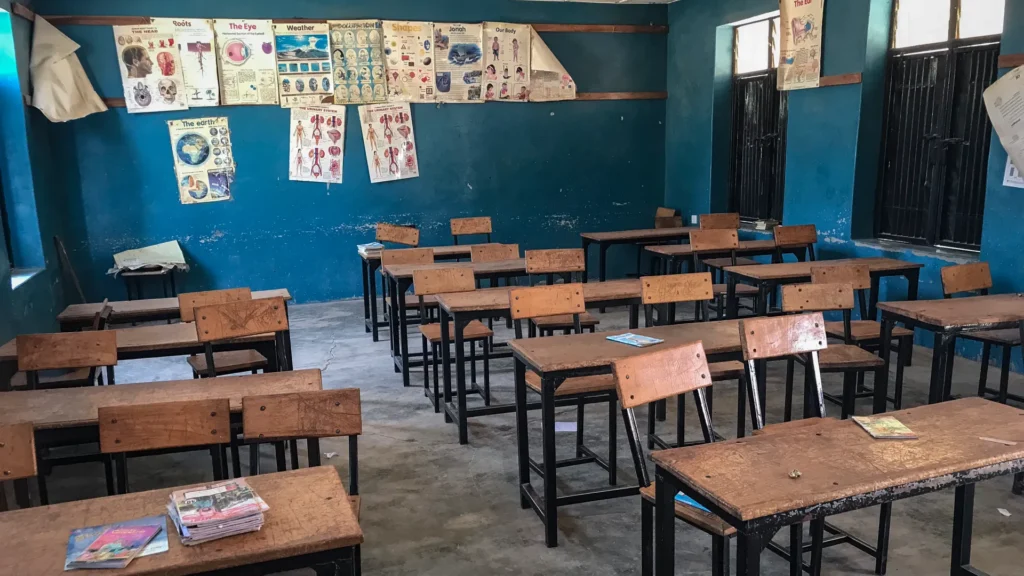
Education at Stake — Beyond Learning
For the NAE, these attacks represent more than a security problem — they endanger the very foundation of Nigeria’s human capital, with long-term implications for social and economic development.
Psychologically, many learners now associate school with danger instead of safety. The NAE warns that continuous exposure to fear, uncertainty and trauma — sometimes involving close encounters with death or abduction — disrupts learning and may stunt the ambition of a generation yearning for progress.
Communities are destabilised, and schools remain ill-prepared: many custodianship gaps persist. According to the NAE such institutions often lack basic governance or emergency-response systems, and fragile infrastructure leaves them vulnerable to repeat attacks.
The outcome is predictable and chilling: rising drop-outs, mass psychological distress, decreasing trust in public education — and ultimately a serious blow to Nigeria’s future workforce.
Calls for Urgent, Concrete Action
Stakeholders have strongly condemned the violence. The Nigeria Union of Teachers (NUT) threatened withdrawal from classrooms if attacks continue and protection for educators and students fails to improve.
Similarly, the National Association of Nigerian Students (NANS) described the wave of attacks as intentional, coordinated efforts by criminal organisations to destabilise the education system — and warned of entrenched educational displacement if urgent interventions are not made
Among the measures advocated: enhanced security for at-risk schools, early warning and community-based protection systems, prompt rescue of abducted pupils and staff, trauma-care services for survivors, and long-term investment in safe-school infrastructure.
While initiatives such as the Safe Schools Declaration (2015) and the National Plan for Financing Safe Schools (2023–2026) are acknowledged, the NAE insists that these have largely been ineffective in the most vulnerable zones, notably in the North-East and Middle Belt.
Experts and advocates insist that protecting education requires more than policies on paper — Nigeria must back its commitments with strong political will, and implement comprehensive, intelligence-led security strategies anchored in community trust.
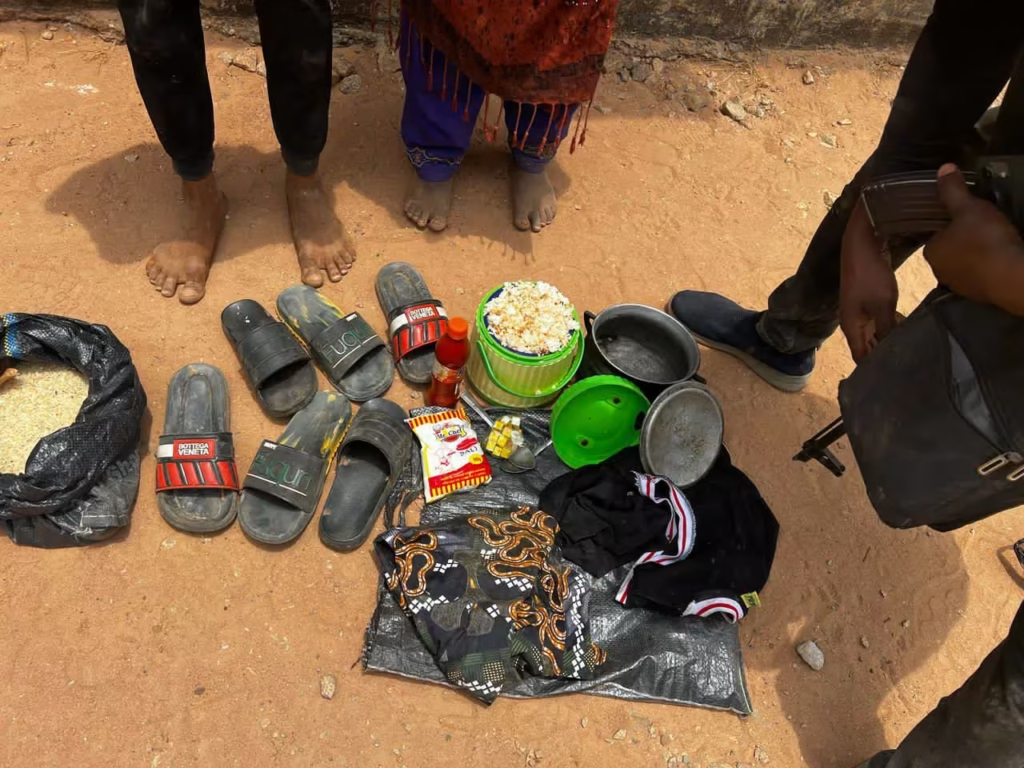
The Price of Inaction
If nothing changes, the long-term damage risks will be irreversible. Education is not only about classrooms and textbooks; it forms the backbone of skills development, social mobility and national growth. The steady erosion of safety and trust threatens to reduce millions of children to idleness, fear and hopelessness.
School closures, repeated trauma, and fear of abduction — these conditions push many young Nigerians away from education altogether, undermining Nigeria’s ability to build a resilient, educated populace.
For the NAE, the message is blunt: to fail to protect schools now is to undermine Nigeria’s future. The clone of history moves inexorably — unless there is courage, coordination and a renewed commitment to secure the learning spaces that shape tomorrow’s leaders.
Join Our Social Media Channels:
WhatsApp: NaijaEyes
Facebook: NaijaEyes
Twitter: NaijaEyes
Instagram: NaijaEyes
TikTok: NaijaEyes