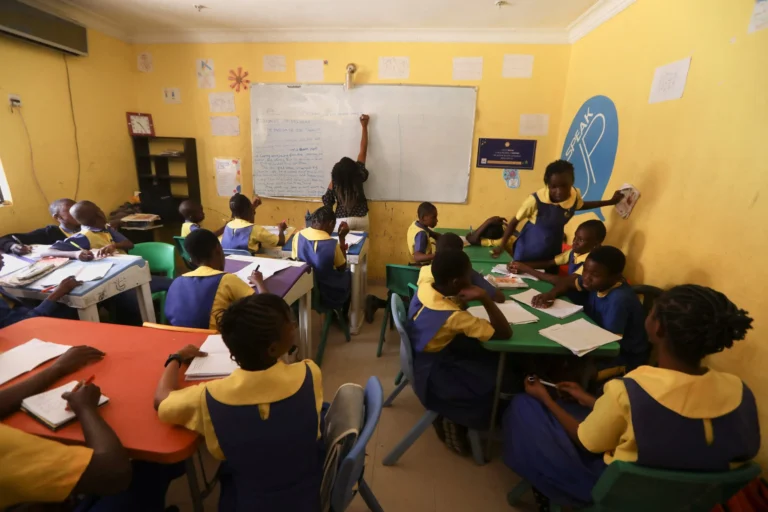
During the 51st convocation and 55th Founders Day of the University of Benin (UNIBEN) in Benin City, Bola Ahmed Tinubu expressed strong support for the institution’s renewed focus on technical and vocational training. He praised the leadership of Edoba Omoregie for embedding practical skills programmes into the university’s curriculum, calling it an initiative that aligns neatly with his administration’s drive to equip Nigerian youths with real, employable skills.
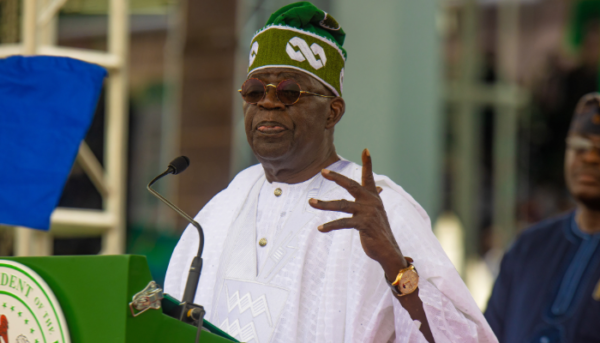
Tinubu, the Visitor to the university, was represented at the ceremony by the Vice-Chancellor of the University of Port Harcourt, Owunari Georgewill. In his remarks, the president affirmed that the newly introduced Artisan Training Programme, set up in collaboration with the Industrial Training Fund (ITF), captures the “spirit of transformation” his government seeks to embed across Nigeria’s tertiary institutions.

UNIBEN’s reform agenda takes shape
Since assuming office just under a year ago, Omoregie outlined a five-point agenda aimed at repositioning UNIBEN as a leading hub for knowledge, skills acquisition, and innovation. The priorities include aligning existing degree programmes with global trends, strengthening welfare support for students and staff, upgrading campus infrastructure (notably electricity and internet access), improving hostel and office facilities, and deepening ties with the surrounding community.
He reported significant progress: the 2024/2025 academic year closed smoothly, with 14,083 undergraduates and 1,790 postgraduate students graduating, a notable increase compared to previous convocations, especially at the postgraduate level.
In addition, UNIBEN has expanded academic offerings by establishing five new faculties and securing approval for fifteen new programmes from the National Universities Commission (NUC). These moves reflect the university’s ambition to adapt to emerging academic and professional demands.
Aligning with national TVET ambitions
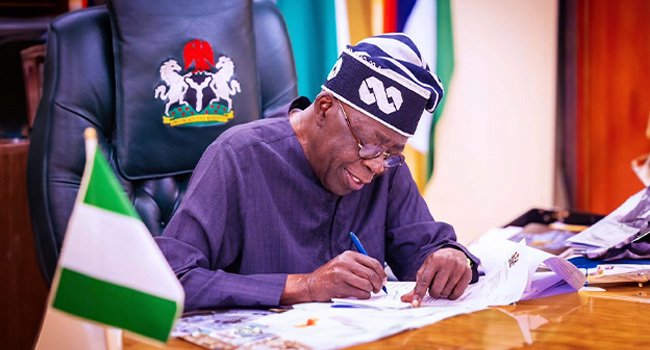
The recognition from Tinubu comes against the broader backdrop of his administration’s push to revitalise technical and vocational education across Nigeria. Earlier in the year, the federal government committed substantial funds to support this agenda, with tens of billions of naira earmarked to empower hundreds of thousands of youths with technical, digital, and vocational skills.
By integrating vocational training into a university environment, UNIBEN’s approach captures the dual essence of traditional tertiary education and hands-on skill acquisition. This hybrid model aligns with recent shifts in policy that emphasise an 80:20 ratio between practical and theoretical learning in TVET curricula.
For many observers, UNIBEN is fast becoming a template for how Nigerian universities can embrace the demands of a modern, skills-driven economy. As a result, its graduates are likely to emerge better equipped, not just for white-collar jobs, but for technical employment, entrepreneurship, and self-reliance.
Why this matters for Nigeria’s youth and economy
The initiative at UNIBEN is more than an institutional reform: it is a potential turning point for how tertiary education prepares young Nigerians for the labour market. With the country facing mounting youth unemployment and a need for diversified economic growth, graduates equipped with technical and vocational skills stand a stronger chance of contributing productively — whether through employment, innovation, or entrepreneurship.
By placing emphasis on practical skills, modern infrastructure and expanded academic offerings, UNIBEN under Omoregie is signalling that universities need not remain siloed in traditional academic models. Instead, they can evolve to reflect contemporary needs, offering students flexibility, relevance and a clearer path to livelihood.
That message resonates with Tinubu’s broader vision for education reform under his administration. As more institutions follow UNIBEN’s lead and embed vocational literacy into their curricula, Nigeria could see a steady shift toward a more skilled workforce capable of driving economic diversification, industrial growth, and sustainable development.
Join Our Social Media Channels:
WhatsApp: NaijaEyes
Facebook: NaijaEyes
Twitter: NaijaEyes
Instagram: NaijaEyes
TikTok: NaijaEyes