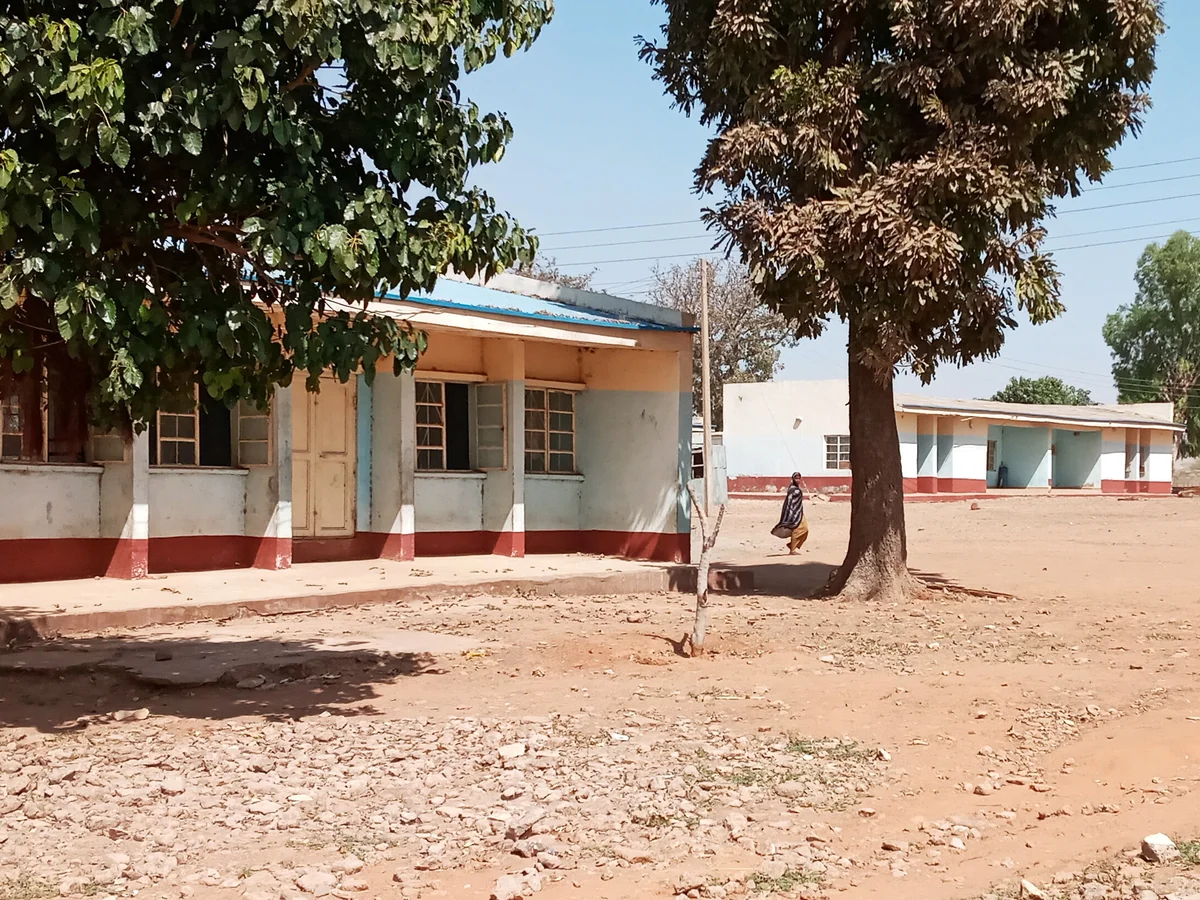

Education in Nigeria has again come under siege as armed bandits trigger widespread school closures, leaving thousands of learners stranded at home. The latest wave of abductions, including a mass kidnapping in St Mary’s Catholic School, Papiri, Niger State, has forced state and federal authorities to shutter numerous institutions, prompting alarm and urgent demands from education stakeholders for decisive, long-term security measures.
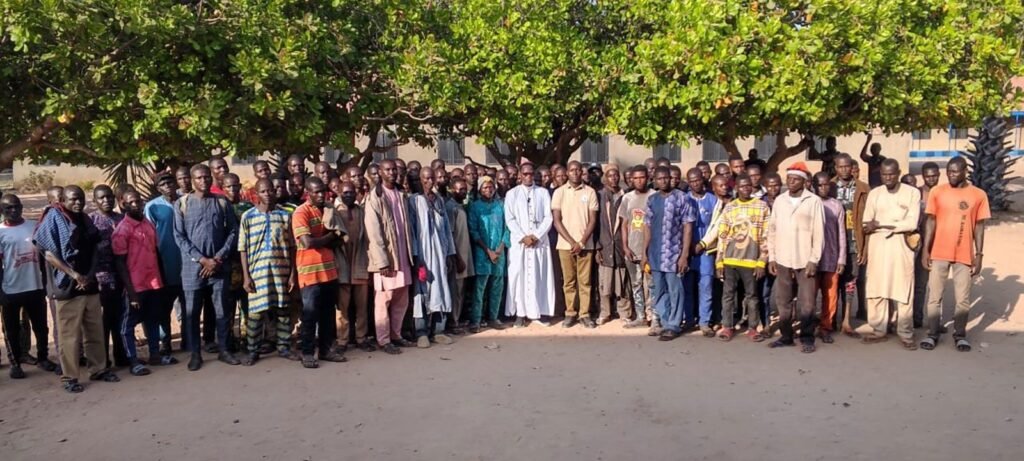
Mass abductions and attacks escalate the crisis in northern and central Nigeria
In a devastating attack overnight on 21 November 2025, gunmen stormed St Mary’s School in the Papiri community, Agwara Local Government Area, abducting a total of 303 pupils and 12 teachers — 315 persons in all. The school kidnappings took place hours after a similar raid on a girls’ boarding school in Maga, Kebbi State, where 25 female students were seized.
By 23 November, officials confirmed that 50 pupils from St Mary’s had managed to escape and were reunited with their families, offering a brief moment of relief. But 253 children and 12 staff remain in captivity, deepening the anguish of parents and communities.
The scale of the attack on St Mary’s, one of the largest mass abductions in Nigeria’s history, has borderlined that of the infamous 2014 abduction at Government Girls Secondary School, Chibok, underscoring a bitter truth: schools that were once sanctuaries of learning are now among the country’s most vulnerable targets.
In response, state governments across the north and central regions shut down schools indefinitely. The federal government also ordered the closure of 41 federal “Unity Colleges.” According to estimates from Amnesty International, roughly 20,000 students may have been affected by the closures nationwide.
Education stakeholders express grief, frustration and demand action over attacks
The abrupt shutting of schools has drawn sharp reaction from key stakeholders in Nigeria’s education sector, including the National Parent Teacher Association of Nigeria (NAPTAN), the National Union of Teachers (NUT), the student body National Association of Nigerian Students (NANS), and university lecturers under the umbrella of Congress of University Academics (CONUA).
NAPTAN’s leadership made clear that closing schools under present threats does not signal defeat. Instead, the move is a precaution to preserve lives, while urging authorities to urgently fortify school security before reopening.
NUT conveyed sorrow over the loss of life inflicted during the Maga attack in Kebbi State — where a school vice principal was reportedly killed — and insisted that closing vulnerable schools remains the only responsible option at this time.
NANS warned the country is in a “critical situation,” stressing that while education matters, it cannot be pursued at the cost of safety. The student association called on both federal and state governments to treat school security as a non-negotiable priority.
Meanwhile, CONUA emphasised that no learning can truly happen unless schools are safe. They urged swift, time-bound action to root out criminal networks exploiting the lack of effective security around educational institutions.
Government response and looming questions about preventive strategy
Reacting swiftly, authorities across affected states — including Niger, Kebbi, Kwara, Plateau, Benue, Katsina, Yobe and others — shut down boarding and, in some cases, all forms of schools indefinitely to forestall further attacks.
At the federal level, 41 Unity Colleges were ordered closed, reflecting the seriousness of the crisis beyond individual states.
In Niger State, government officials revealed that the deadly attack on St Mary’s followed a breach: the school reportedly reopened without state clearance despite prior intelligence warning of elevated threats in the region.
Authorities have initiated a probe into the apparent breakdown in the application of the nationally funded Safe Schools Initiative — a programme established after the 2014 Chibok abduction to safeguard vulnerable schools. This investigation has become a top agenda item for a new ad-hoc committee in the Senate, mandated to audit expenditures and outcomes of the initiative.
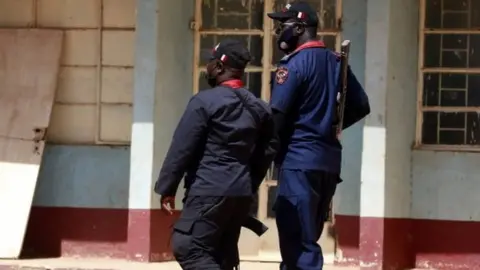
Security agencies have reportedly deployed tactical squads, local hunters, and community watch teams to track down captors and rescue abducted students and staff.
The long shadow over education: trauma, dropout risk, and urgent call for lasting solutions
Beyond the immediate horror of kidnappings and loss of lives, the forced closure of schools threatens to deepen Nigeria’s chronic education crisis. Thousands of students could drop out permanently out of fear, and trusting parents may hesitate to send their children back even after schools reopen. Stakeholders argued that without visible, consistent security reforms, the gains of the Safe Schools Initiative will be eroded.
Psychological trauma, family dislocation and disruption of learning are already widespread. For teachers still traumatised by losses, resuming class under weak security remains untenable — meaning even when schools reopen, staffing shortages and absenteeism may hamper effective education.
The current environment forces a confronting question: can Nigeria rebuild parental trust in public education, or will fear and uncertainty erode the future of a generation? As stakeholders demand swift, thorough implementation of security commitments, the government must show results. The time for symbolic closure orders has passed. What is now required is concrete structural overhaul: robust intelligence architecture, community-based security networks, reliable escort for rural schools, proper funding transparency, and accountability. Only then can classrooms once again become places of learning rather than fear.
Join Our Social Media Channels:
WhatsApp: NaijaEyes
Facebook: NaijaEyes
Twitter: NaijaEyes
Instagram: NaijaEyes
TikTok: NaijaEyes