

At a recent graduation ceremony of the Garden City Premier Business School (GCPBS) in Port Harcourt, an economist described a rising reality: Nigeria’s digital economy is quickly outgrowing oil as the true powerhouse of national growth.
Nosike Agokei, a former president of the Institute of Chartered Secretaries and Administrators of Nigeria (ICSAN), told the graduating students that digitalisation, not the oil sector, offers a sustainable road to prosperity. He pointed to projections indicating that by 2027, the digital economy could contribute 21 per cent to Nigeria’s Gross Domestic Product (GDP), up from 19 per cent in 2025.
According to him, Nigeria’s youth-driven, tech-savvy population, combined with a growing adoption of fintech, digital services and e-commerce, is pushing the digital sector to the foreground. He argued that this shift could mark the beginning of a new economic chapter for the country, one less reliant on the vagaries of global oil prices and more anchored in innovation, agility and human capital.
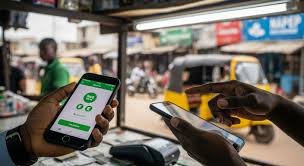
Why digital is now winning
Agokei explained that digital transformation reshapes economies by boosting productivity, cutting costs, and expanding market reach through automation and digital platforms. Digital tools such as cloud computing, smart services and online platforms can reduce dependence on heavy physical infrastructure and obsolete traditional business models.
He invoked global success stories like Uber and Airbnb — platforms that disrupted traditional industries by relying on technology to create new markets. In Nigeria’s context, he argued, similar disruption can unfold in sectors like retail, logistics, education, health and agriculture.
Moreover, evidence points to the shift already being real: a report from 2024 showed that the digital economy contributed 14.8 per cent to GDP in Q1, more than double the share of the oil sector at the time.
These developments reinforce earlier assertions by officials that the country’s information and communication technology (ICT) sector is on course to overtake oil as the top earner by 2027.

Opportunities and emerging risks
The message to the new business graduates was clear: they are expected to lead Nigeria’s digital transformation and shape the future economy.
For graduates launching enterprises or joining businesses, the transition opens room for significant innovation. Between fintech, e-commerce, edtech, agrotech, digital health and beyond, the potential sectors are vast. As one speaker, Mina Tele Ikuru, put it, digital transformation is not optional but a national survival strategy.
However, Agokei cautioned against viewing the transition as risk-free. Automation and technology-driven models can displace routine jobs, widen skills gaps, and expose the economy to cybersecurity challenges. He urged policymakers and stakeholders to prioritise digital education, robust ICT infrastructure, and data-security measures as foundational steps.

Time for Nigeria to decide its economic future
The shift from oil to digital is more than a trend — it reflects a structural transformation in how development is conceived and achieved. As the country’s demographic advantage — a youthful, mobile-internet-connected population — converges with opportunity in digital services, the path ahead could open unprecedented possibilities.
But whether Nigeria seizes this moment depends on speed, commitment, and visionary leadership. Without an aggressive but well-managed push for digitisation in education, infrastructure, regulation and business environment, the promise of the digital economy may not translate into inclusive prosperity.
Graduates at GCPBS were reminded that they could be among those shaping Nigeria’s future by leading with innovation, building solutions where others see problems, and driving high-impact change through technology.
As Agokei asked: will Nigeria treat its digital transition as a must-win project, or delay until oil — with its unpredictable swings — drags the economy down?
Join Our Social Media Channels:
WhatsApp: NaijaEyes
Facebook: NaijaEyes
Twitter: NaijaEyes
Instagram: NaijaEyes
TikTok: NaijaEyes