On 30 November 2022, ChatGPT was quietly rolled out to the public by OpenAI, merely described as “a model … that interacts in a conversational way.” That modest beginning belied what was to come. Within five days, it attracted more than one million users; within two months, it had amassed 100 million — the fastest mass adoption in history.
Fast forward to 2025, and ChatGPT is now used by hundreds of millions worldwide every week. It has become a central part of daily life for many, touching work, learning, creativity, business operations, and even how people search for information. The world’s relationship with information, once dominated by search engines and human gatekeepers, has been fundamentally altered.
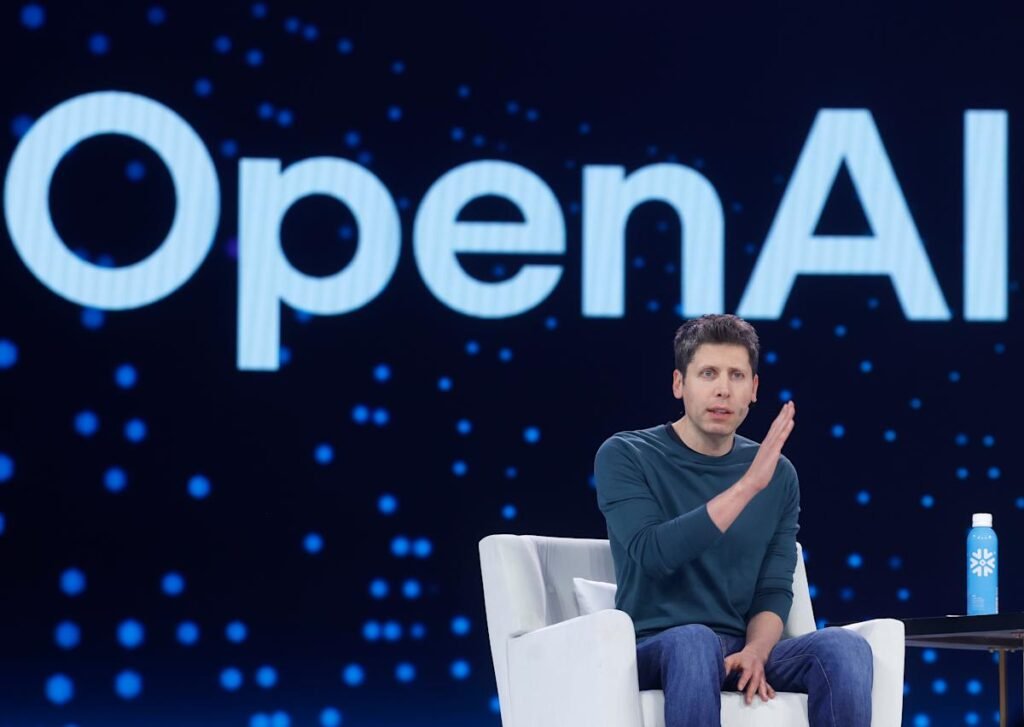
From Chatbot to Market Mover
What began as a conversational chatbot has blossomed into a structural force across the technology and financial world. ChatGPT helped usher in the current wave of generative AI — and markets have felt the impact strongly.
Since the launch of ChatGPT, investments in AI infrastructure, chip makers, and software platforms have surged dramatically. For investors, ChatGPT did more than just change how we communicate — it triggered a broader reevaluation of value and growth potential.
In many sectors, companies are now embedding conversational AI into customer-service workflows, internal knowledge systems, and creative processes. As a result, generative AI is shifting from novelty to core business strategy, changing not just tools but business logic itself.
How Everyday Behaviour and Business Habits Have Changed
One of the most visible effects of ChatGPT’s rise is the shift in how people seek information. In many cases, users now turn first to conversational AI rather than traditional search engines to answer questions, summarise complex ideas, or brainstorm. That shift is reshaping the ways knowledge is consumed.
For businesses, the result is a rapid realignment of strategy. Firms have begun to weave AI-powered assistants into customer acquisition, support, decision-making, and content creation. The appeal lies not only in cost savings but in speed, scalability, and the capacity for real-time adaptation.
In sectors like finance and investing, generative AI tools are reshaping how professionals analyse data, draft reports, and advise clients. This trend is already influencing wealth management, market research, and strategic planning.

The Promise, the Perils, and What Comes Next
As we mark three years since ChatGPT’s debut, it is clear we’re at a crossroads. On one hand, the potential for innovation, efficiency gains, and creativity is immense. On the other hand, the shift raises difficult questions around reliability, accountability, job disruption, and long-term human skills.
Many traditional roles that involve repetitive tasks, including writing, summarising, and data processing, are being transformed or replaced. While AI removes the routine burden, it also risks eroding the developmental experiences that shaped human expertise. Some critics argue that overreliance on generative AI might contribute to what they call “cognitive atrophy,” diminishing the value of original thought and labour.
Moreover, rapid AI adoption raises regulatory and ethical challenges. As more sectors, from education to healthcare, adopt AI tools, pressure will mount to ensure transparency, privacy, fairness, and sound governance. Already, many companies and governments are asking how best to strike a balance between innovation and responsibility.
But despite these headwinds, the momentum seems unstoppable. The AI boom triggered by ChatGPT appears less like a tech fad and more like a structural shift. As its ecosystem deepens, with integration into apps, workplaces, creative tools, and commerce, generative AI looks set to redefine not just tools, but what we expect from technology itself.
Marking this anniversary, we’re reminded how a simple chat interface has reshaped markets, behaviours, and global economic dynamics. Whether we see this as the beginning of a new age of technological promise or a cautionary tale of rapid disruption depends on the choices we make today about how we use, regulate, and understand this powerful new force in our lives.
Join Our Social Media Channels:
WhatsApp: NaijaEyes
Facebook: NaijaEyes
Twitter: NaijaEyes
Instagram: NaijaEyes
TikTok: NaijaEyes