As the eyes of the continent turn to Abuja this week, Nigeria joins seven other African nations in a contest to claim the title of top student enterprise. The event, organised by Junior Achievement Africa (JA Africa), officially kicked off its 15th Company of the Year (COY) competition on 3 December 2025. Over three days, young entrepreneurs from eight countries will compete for a chance to represent Africa on a global stage — and secure essential prizes to help launch their ventures.
Emerging Entrepreneurs Tackle Climate Challenges
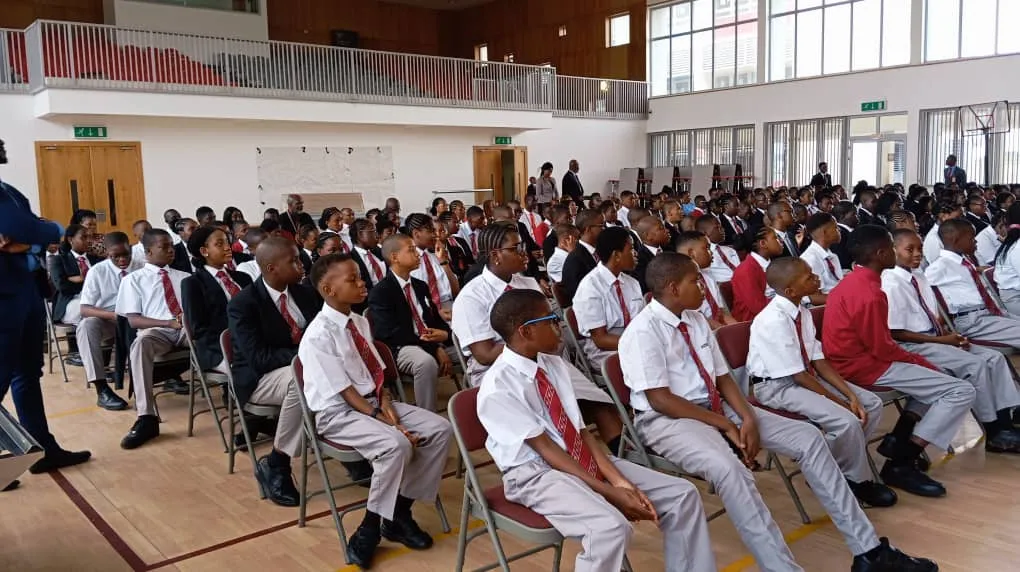
The competition brings together student-run firms from Nigeria, Eswatini, Ghana, Mauritius, Rwanda, South Africa, Uganda and Zambia. Their shared mission: to develop climate-focused innovations as part of this year’s theme, Action for Climate Transformation. Projects span sectors including renewable energy, technology, circular economy, fintech, and digital media. These students are not only pitching business ideas — they’re offering solutions to urgent environmental and societal problems.
At a pre-event briefing in Abuja, JA Africa’s President and Chief Executive Officer, Simi Nwogugu, emphasised that young Africans often understand deeply the challenges their communities face. What they usually lack is resources and support. JA Africa aims to bridge that gap by providing training, mentorship and access to networks.
She highlighted past successes — noting the competition has nurtured entrepreneurs who have gone on to shape the tech and business landscapes of Africa, pointing specifically to alums such as Andela and Flutterwave, as well as public‑sector innovators like Bosun Tijani.
According to Nwogugu, JA Africa reaches over 23 countries annually and touches more than 1.5 million young people. She said this reach helps instil an entrepreneurial mindset early, encouraging youths to stop waiting for opportunity and start creating their own.
What’s at Stake: More Than Just Prize Money
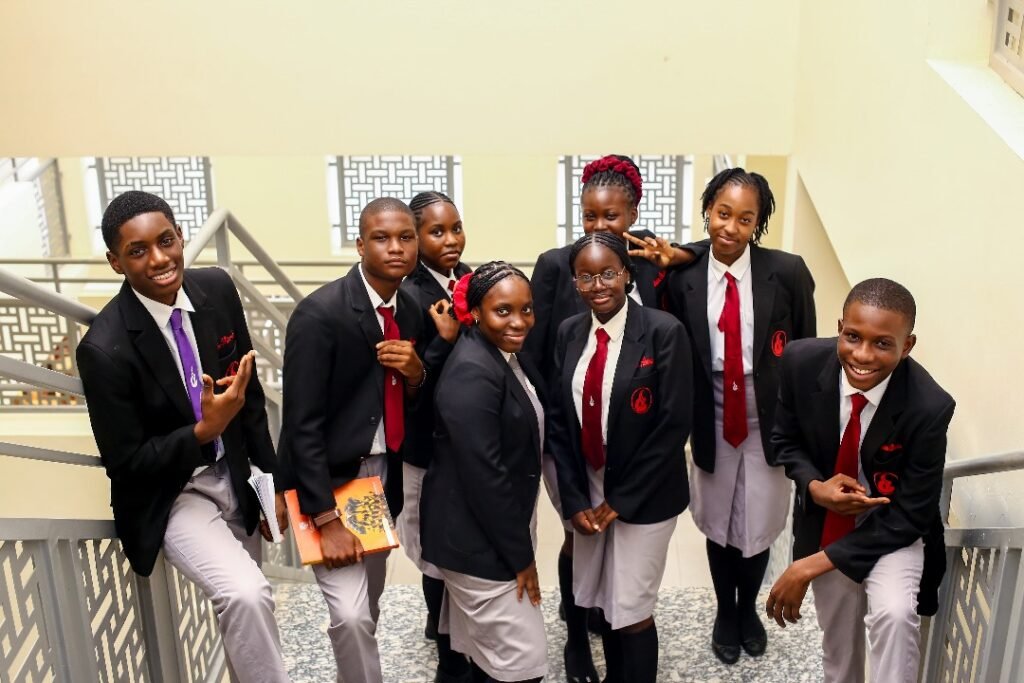
For participants, the stakes are high. The top prize winner will receive US$3,000, with second and third places receiving $2,000 and $1,000 respectively. An additional incentive awaits the champion — entry into a global competition offering a grand prize of US $15,000.
Beyond the cash awards, winners stand to gain long‑term support through scholarships, business mentorship, and membership in a powerful alumni network. For many, such support could mean the difference between an idea and a thriving enterprise.
Sponsors such as FedEx and PMIEF (the Project Management Institute Education Foundation) have thrown their weight behind the competition, emphasising how scaling African students’ innovations beyond school is vital for real impact.
The closing ceremony and final adjudication will take place on 5 December, during a stakeholder convening in Abuja. Ministers, business leaders and civil society figures are expected to attend, underscoring the broader ambition of embedding entrepreneurship education into national youth and development policies.
Why This Matters for Africa’s Future
In a continent often characterised by youth unemployment and economic uncertainty, platforms like the Company of the Year competition offer a different narrative — one of hope, innovation and agency. Giving young people tools to transform problems they live with into businesses they lead can ripple out to their communities and beyond.
When climate change threatens livelihoods and jobs are scarce, an enterprise built around sustainability and local needs offers a tangible way forward. The emphasis on renewable energy, circular economy, fintech and tech‑enabled solutions aligns with Africa’s broader developmental challenges: from resource scarcity to financial inclusion to job creation and climate resilience.
By providing seed capital, mentorship and global exposure, JA Africa is not only helping start businesses — it is helping nurture a generation that sees entrepreneurship as a realistic, respected pathway. For many students, this may be their first door to transforming an idea into a durable venture.
Moreover, the ripple effects of such initiatives can be profound. Past beneficiaries — like those from Andela and Flutterwave — have gone on to produce jobs, build infrastructure, and contribute to Africa’s digital and economic ecosystems. This competition, and others like it, help create a grassroots foundation for sustained innovation and growth.
Conclusion
As the 2025 COY contest winds down in Abuja this weekend, the eyes of the continent will be on the young innovators pitching in front of judges, hoping to win cash prizes and a shot at global recognition. But more than the prizes, this competition represents a belief: that Africa’s greatest resource is the creativity and energy of its youth.
If nurtured, these student‑led firms could become the bedrock of Africa’s next era of progress. The winners will walk away with money — but also with training, networks, and a platform. For many, this could mark the beginning of a journey from classroom to enterprise, from ambition to action.
As the winners emerge, we may well be witnessing the seeds of businesses that transform communities, economies and perhaps even the future of the continent.
Join Our Social Media Channels:
WhatsApp: NaijaEyes
Facebook: NaijaEyes
Twitter: NaijaEyes
Instagram: NaijaEyes
TikTok: NaijaEyes