In this age of rapid technological change, personalisation in technology is no longer an optional extra. It is fast becoming the driving force of how digital systems deliver experiences to users everywhere. From the way we shop online to how we learn, receive healthcare or navigate cities, tailored technology is reshaping everyday life and the digital economy. What was once a simple marketing tactic has evolved into a powerful engine for innovation and engagement, and its influence will only grow larger in the coming years.
In Nigerian English, this article explores how personalisation in technology is transforming the digital world, the tools behind it, the opportunities it creates for businesses and citizens, and what it means for the future.

How Personalisation in Technology Evolved and Why It Matters
At the core, personalisation refers to technology’s ability to adapt experiences to the unique needs, interests and behaviours of individual users. This means systems no longer treat everyone the same. Instead, they use data and advanced computing to understand who you are, what you want and how best to deliver it to you. Historically, digital personalisation began with simple custom touches such as inserting a person’s name in communications or segmenting email lists based on gender or location. Today, the field has adopted artificial intelligence and predictive models that can forecast preferences in real time and adapt content dynamically.
Technical tools like machine learning, AI-driven analytics, and unified data infrastructures now sit behind personalised systems. These technologies collect signals from user interactions, such as browsing habits, purchase history or media consumption patterns, and use those signals to build detailed user profiles. Older rule-based approaches that relied on fixed templates or static triggers have given way to predictive systems that adjust content as users interact.
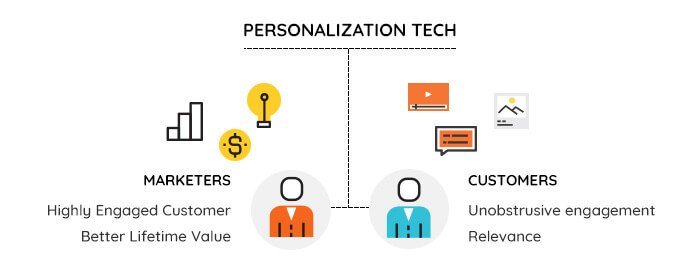
Why does this matter? For consumers, personalisation makes digital experiences feel more relevant and efficient. For businesses, it drives engagement, increases conversions, and deepens loyalty. Personalisation can increase customer retention by significant margins and, in some sectors, boost conversion rates by double digits compared to generic digital experiences.
Beyond commerce, personalisation is being applied to areas like education, where adaptive systems can tailor lessons to a student’s progress; healthcare, where predictive analytics inform more precise treatments; and public services, where smart city systems respond to citizens’ real-time needs.
Data at the Heart of Personalisation
Personalisation would not be possible without data. Modern personalisation systems depend on multi-source data integration to build comprehensive user profiles. These data points might include demographics, behavioural patterns, location information and interaction history across platforms. The goal is to centralise, organise and govern data so that personalisation engines can respond quickly and accurately as users engage with digital interfaces.
In robust data infrastructures, real-time orchestration is crucial. When a user visits a website, streams content or interacts with an app, data is captured and processed instantly. Predictive models then analyse these signals to make decisions about what content to display, which offers to recommend, or how to personalise a conversation with a digital assistant.
Companies that succeed with personalisation understand that it’s not just about collecting more data but managing it well. This includes setting standards for data quality, ensuring consistent user profiles and implementing strong governance and privacy safeguards. Without trust and transparency, users may hesitate to share their data or interact with personalised systems.
The Role of AI and Machine Learning in Personalisation
Artificial intelligence and machine learning are the engines driving modern personalisation. These technologies take raw data and turn it into meaningful, actionable insights. Through pattern recognition and predictive analytics, AI systems can forecast what a user might want next and tailor experiences accordingly.
AI-driven personalisation means that experiences can be adapted in real time, not just once data has been analysed after the fact. For example, content platforms can reshuffle recommendations based on what a user clicks or watches in a single session. E-commerce sites can adjust product suggestions based on browsing behaviour and previous purchases. Chatbots infused with AI can tailor interactions to a user’s history, anticipating needs and answering questions in ways that feel natural.
While personalisation powered by AI can dramatically improve relevance and user satisfaction, it also raises ethical questions. Users want meaningful interactions, but they also care about privacy. Balancing personalisation with responsible data use means giving users clear control over what data is collected and how it is used, and ensuring strong safeguards are in place to prevent misuse.
Beyond Marketing: Personalisation Across Sectors
The influence of personalisation now stretches far beyond digital marketing and e-commerce. In education, adaptive learning algorithms can personalise course materials based on students’ strengths and weaknesses, adjusting pacing and difficulty in ways that support better outcomes. In healthcare, predictive analytics can help clinicians tailor treatment plans to individual patients by using genomics and health history data to anticipate risks and recommend interventions.
Smart cities also harness personalisation. By analysing data from sensors and urban systems, transport networks can optimise traffic flows, and public services can tailor notifications based on local conditions, such as weather or community events. These applications show that personalisation can enhance lives at a societal level, not just at the individual user level.
These developments signal a future where personalisation becomes part of daily interactions with technology, from the moment we wake up and check our personalised news feeds to how we engage with public services and healthcare providers.
Challenges and the Road Ahead
Despite its promise, personalisation in technology faces challenges. One of the biggest is infrastructure. Organisations must invest in systems that can handle large volumes of data and process it quickly without compromising accuracy. Building these infrastructures requires technical expertise and long-term commitment.
Privacy concerns also remain a significant issue. Collecting and analysing user data requires careful adherence to data protection laws and ethical guidelines. Users want personalised experiences, but they also want assurance that their information is not being misused or exposed to unnecessary risk. Transparent practices, clear consent mechanisms and user control over data are key to maintaining trust.
Finally, there is the question of fairness. Personalisation systems must be designed to avoid bias and discrimination. This means continually auditing algorithms to ensure they do not unintentionally favour or disadvantage groups of users. Responsible design principles and ongoing oversight will help ensure that the technology benefits everyone, not just a select few.
What it Means for the Future
As we look ahead, personalisation in technology will only become more central to how we live and work. Businesses that embrace personalised systems will create deeper connections with their audiences and unlock new growth opportunities. Governments and public institutions that use tailored approaches in service delivery can improve citizen satisfaction and operational efficiency. Individuals will expect and demand personalised experiences as standard, not as a luxury, according to McKinsey & Company.
In a world where technology shapes much of human interaction, personalisation is the bridge between data and meaningful human experience. Its evolution from simple name tags on emails to powerful predictive systems shows how deeply digital technology has penetrated our lives. The revolution we are witnessing today is not just about smarter machines but about more human-centred technology.
Personalisation in the technology revolution will define how the next generation interacts, learns, works and thrives. Technology that understands individuals and responds to their unique context not only enhances convenience but also fosters trust and engagement. In this evolution, the future belongs to systems that centre people, not just processors.
Join Our Social Media Channels:
WhatsApp: NaijaEyes
Facebook: NaijaEyes
Twitter: NaijaEyes
Instagram: NaijaEyes
TikTok: NaijaEyes
READ THE LATEST EDUCATION NEWS