
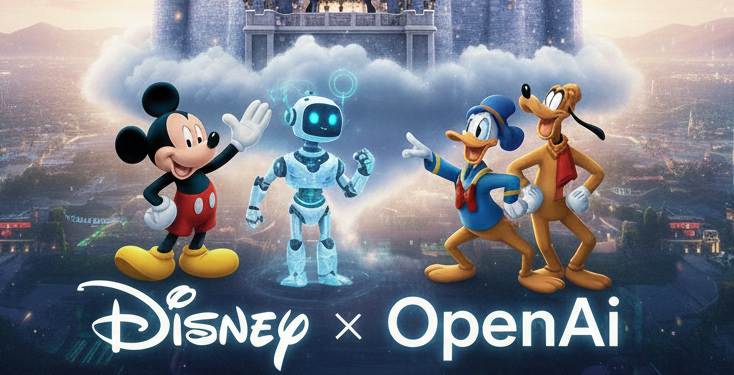
Walt Disney Company recently made global headlines with a bold investment in artificial intelligence technology partners. In a landmark agreement valued at around $1 billion, Disney has signed a three-year licensing and investment deal with OpenAI, the maker of ChatGPT and the Sora text-to-video platform. Under the pact, users will be able to generate short videos featuring more than 200 characters from Disney’s expansive catalogue, spanning universes such as Pixar, Marvel and Star Wars, using generative prompts. Disney is also integrating tools like ChatGPT within its internal operations and exploring AI-driven creative tools for its products and services, according to Digital Watch Observatory.
For investors and technology observers, this signals Disney’s push to remain at the cutting edge of storytelling and audience engagement. Executives have described the partnership as a way of expanding creativity, connecting with younger audiences, and equipping employees with powerful tools to enhance productivity and innovation.
Yet among the applause for this bold leap into generative AI, a quieter but growing concern is reverberating through Disney’s own workforce. Employees in various departments are increasingly anxious about what this shift could mean for their jobs.
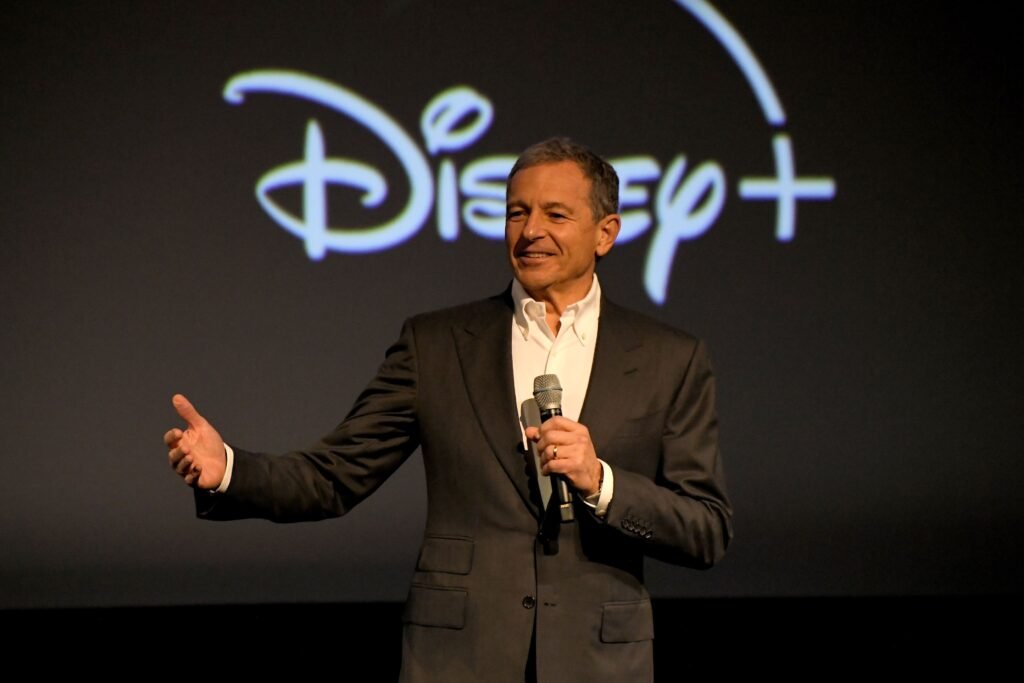
Inside Disney: Workers Voice Real Fears of Job Cuts
Sources close to the matter say that Disney staff are wrestling with unease following the announcement of the OpenAI alliance. Many employees see the accelerated adoption of AI tools as a sign that some roles traditionally handled by humans might eventually become redundant. For some, it’s less about the deal’s headline promise and more about the reality of automation in the workplace.
A number of team members have begun experimenting with AI tools on the job. Internal systems such as “DisneyGPT” are already being used to draft emails, summarise reports, and assist with simple routine tasks. While these tools were introduced to make work easier and more efficient, the early adoption phase now raises uncomfortable questions about where that efficiency could ultimately lead.
Three out of eight employees interviewed by a global business publication spoke openly about their anxieties. They told reporters they are worried that, despite assurances to the contrary, the company’s embrace of generative AI might accelerate the replacement of certain positions. These concerns are shared across departments, including creative, administrative and technical teams.
Workers who had initially been intrigued by the promise of AI are now more cautious. Some have told colleagues that while technology might help with tasks like drafting content or internal communication, it cannot replicate the nuanced judgment and emotional intelligence that human professionals bring to complex creative work.
Disney Management Responds, but Doubts Linger
Disney leadership has responded to these internal concerns by emphasising a “responsible and human-centred approach” to adopting AI technologies. The company says that human creativity and ingenuity remain invaluable and at the core of its success, and that the new tools are meant to complement rather than replace human effort.
A senior executive with direct insight into Disney’s AI strategy framed AI as an enhancement, not a panacea. The executive reminded staff that generative AI can make errors and often lacks the personalised touch, context and emotional depth that only humans can provide. “If you use AI everywhere, it’s going to be counterproductive,” the person explained.
Nevertheless, for many employees, these reassurances have done little to erase the unease. As AI tools become more sophisticated and exposure to them expands, the risk of job displacement — whether real or perceived — has become harder to ignore.
This tension reflects a wider industry trend: creative and tech industries globally are grappling with how to integrate AI into workflows while protecting employment and preserving the value of human labour. In Hollywood, unions such as the Writers Guild of America have voiced strong reservations about how AI partnerships might affect writers’ livelihoods, suggesting that deals like Disney’s could undermine traditional creative roles and economic rights.
The Broader Picture: Innovation vs Job Security
The Disney-OpenAI deal is not happening in isolation. Across the tech and media sectors, companies are racing to incorporate AI technologies in ways that promise efficiency gains and competitive advantage. At the same time, waves of layoffs in major firms over recent years have heightened collective sensitivity about job security, especially in industries where digital tools can automate tasks once performed by teams of specialists.
For Disney, this new chapter presents both opportunity and risk. On one hand, the company is positioning itself at the forefront of entertainment innovation by combining beloved cultural touchstones with powerful AI capabilities. On the other hand, it must balance this tech-driven transformation with the human impact on its workforce.
Employees are not entirely opposed to embracing modern tools. Many see the potential for AI to streamline workflows and improve productivity. What they are asking for is clarity and transparency from leadership about how AI will influence employment patterns in the months and years ahead. They want concrete plans for retraining and redeployment rather than vague reassurances that technology will always serve only as an assistive tool.
In offices from California to London to Tokyo, the ripple effects of Disney’s deal with OpenAI are being felt. Workers are taking stock of what the future might look like in a workplace increasingly infused with intelligent machines.
The concerns at Disney mirror anxieties that have been voiced worldwide as the reach of artificial intelligence expands. The challenge now lies in how companies can integrate innovation responsibly while safeguarding the jobs that have powered their success for decades.
For Disney employees, and many in the creative and tech workforce at large, the future is exciting and unsettling in equal measure. Their experiences remind us that revolutions in technology are never just about breakthroughs; they are about people and the livelihoods that could be reshaped in the process.
Join Our Social Media Channels:
WhatsApp: NaijaEyes
Facebook: NaijaEyes
Twitter: NaijaEyes
Instagram: NaijaEyes
TikTok: NaijaEyes