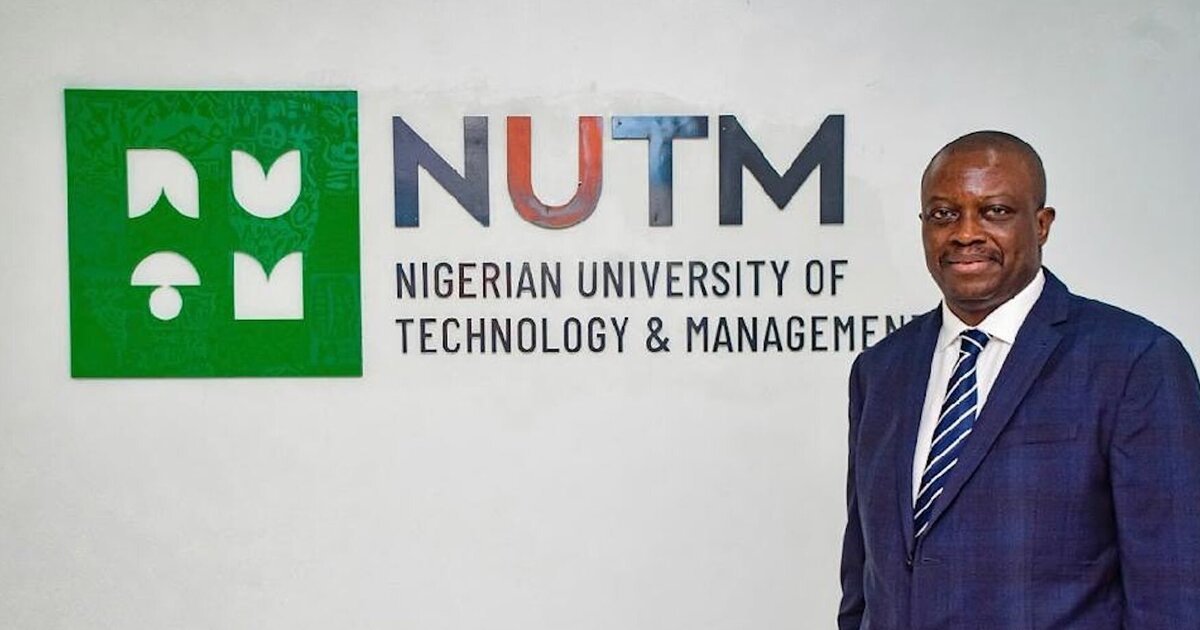

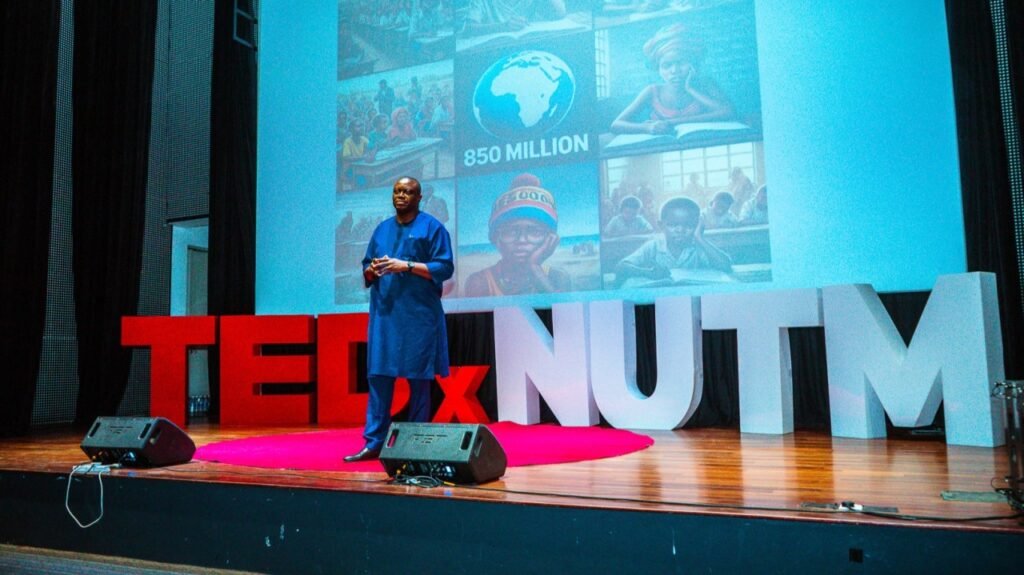
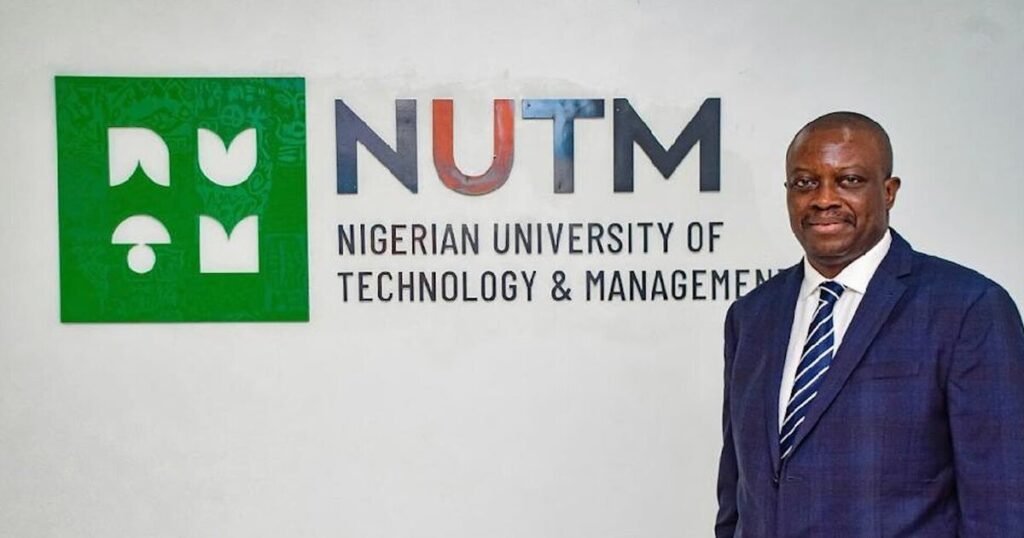
In a powerful message that resonates with educators, innovators, and young Africans alike, Dr Babs Omotowa, president of the Nigerian University of Technology and Management (NUTM), has reiterated his bold ambition to build a world-class university in Africa that empowers the next generation of innovators and leaders. Speaking on the international stage recently, Dr Omotowa shared a vision that reframes higher education across the continent as a catalyst for economic transformation and human progress.
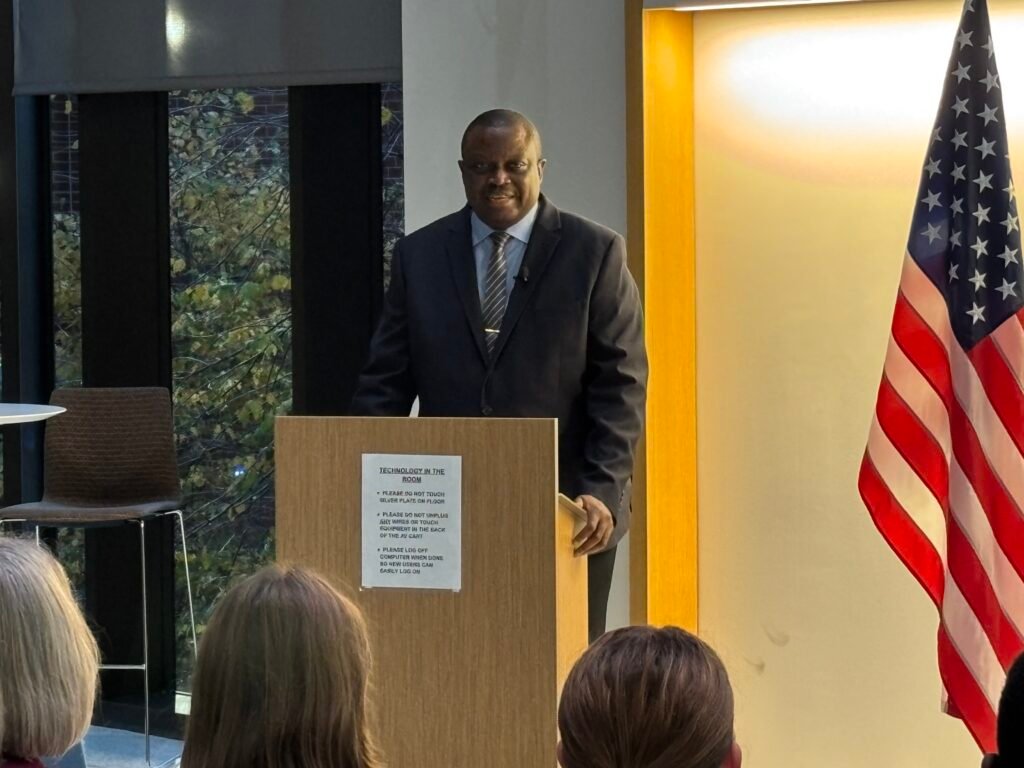
From a platform at Lehigh University’s prestigious Iacocca Global Leaders Speaker Series in the United States, the Nigerian education leader set out a roadmap for what he describes as an institution of excellence, competitiveness, and impact. His message cuts deep into the heart of Africa’s education challenges and opportunities in a way that commands serious reflection and action.
A Vision Beyond Borders
Dr Omotowa’s speech, titled “Oasis in Africa, For Africa and the World”, was more than a lecture. It was an invitation to rethink how universities can contribute to transforming economies and societies across Africa. At its centre is a vision of a university that ranks among the top 50 globally, a target that might seem audacious in many quarters but one that he insists is essential for Africa’s future.
He described the initiative as a response to the longstanding problem of “education tourism”, where many of Africa’s brightest youths leave the continent for advanced training in the United States, Europe and other parts of the world, seldom returning home afterwards. According to Omotowa, this trend drains Africa’s human capital and retards its developmental progress.
At the heart of this drive is the belief that quality education should not require departure from home soil. Local talent should be nurtured, celebrated, and deployed within the continent’s own economies and cultures. This philosophy underpins NUTM’s mission and is increasingly gaining recognition across the continent.
Reimagining Higher Education
NUTM’s academic model stands out for blending technology, entrepreneurship, and design into a single interdisciplinary approach. Rather than separating these fields, the model integrates them to promote practical problem-solving, critical thinking and ethical leadership. Students learn to work on real challenges faced by African enterprises, giving them both technical expertise and the professional skills demanded by industry.
This model resonates with the broader calls from education reform advocates across Africa who have urged institutions to align learning more closely with industry needs and global benchmarks. In many existing universities across the continent, curricula remain dated or disconnected from the evolving world of work. Omotowa’s approach confronts this directly by embedding industry input and partnerships into the learning experience.
Partnerships with major companies and international universities help to reinforce this model. These collaborations not only broaden students’ exposure but also attract experienced faculty from leading institutions around the world, elevating the quality of teaching and mentorship.
Tangible Early Success
While the mission is ambitious, the early results emerging from NUTM’s graduates indicate progress that demands respect. Dr Omotowa shared data showing that out of 165 graduates, a remarkable 97 per cent were employed within three months of completing their programmes, or had launched their own ventures. Not only do these figures underline employability, but they also show how the university’s ethos fosters entrepreneurial courage.
Among those entering the corporate world after graduation, average salaries reportedly increased by as much as 600 per cent compared to their previous earnings. This is a striking indicator of the real economic value that quality education can unlock.
Beyond employment, nearly half of these graduates continued to develop their entrepreneurial ventures in sectors as diverse as healthcare, agriculture, financial technology and insurance. These ventures have collectively created more than 700 jobs and raised over three million dollars in funding. For a young institution still in its growth phase, these outcomes reflect not just quality education but direct contribution to job creation and economic growth.
This impact aligns with broader conversations across African development circles. Leaders from organisations like the African Development Bank have repeatedly stressed that harnessing the creativity and skills of Africa’s youthful population is central to the continent’s economic future. With one in four people globally expected to be African by 2050, the pressure is on to equip this demographic with relevant skills and opportunities, according to African Development Bank.
From Pilot to Continental Reach
Dr Omotowa was quick to note that NUTM’s current model began as a pilot, modest in scale but rich in ambition. The plan now is to scale this initiative into a full residential campus capable of serving 10,000 students. Beyond that physical campus, the university aims to build a digital platform that can reach up to half a million learners across Africa by 2030.
This blended approach acknowledges that not all students may have the opportunity to relocate or study full-time on campus. A robust digital learning ecosystem could bring world-class training to students in different countries, backgrounds, and contexts, thus widening access significantly.
Omotowa’s message was clear: education in the 21st century must be flexible, innovative, and far-reaching. The challenges of infrastructure, resources, and uneven educational quality remain real. Yet, with the right model and partnerships, it is possible to overcome these hurdles and redefine what it means to study and thrive in Africa.
What It Means for Nigeria and Africa
For Nigeria, the success of an institution like NUTM has broad implications. It represents a shift from the traditional mould of education toward an ecosystem that values relevance, innovation, and measurable impact. Students emerging from such universities are not only prepared for jobs but empowered to create them. This is a critical distinction in a continent where youth unemployment remains a pressing challenge.
For Africa as a whole, the story speaks to an era of self-determination in education. No longer content to be consumers of global expertise, African stakeholders are now at the forefront of generating homegrown solutions for education reform, economic development, and technological advancement. Institutions like NUTM contribute to a growing ecosystem of change agents determined to chart their own future.
A Call to Action
Dr Omotowa’s address was ultimately a call to action. Governments, private sector leaders, educators, and young people themselves are all invited to play a part in the transformation of higher education. This is not just about building a university; it is about nurturing a generation of ethical, creative and resilient leaders who will shape Africa’s future in technology, business, governance, and beyond.
In a rapidly changing global landscape, where innovation drives competitiveness and leadership fuels progress, such a vision is not just timely. It is necessary.
The journey ahead will require investment, collaboration, and unwavering commitment. Yet, as the early success of NUTM demonstrates, bold ideas grounded in quality and purpose can indeed yield transformative results for Africa’s young innovators and leaders.
Join Our Social Media Channels:
WhatsApp: NaijaEyes
Facebook: NaijaEyes
Twitter: NaijaEyes
Instagram: NaijaEyes
TikTok: NaijaEyes