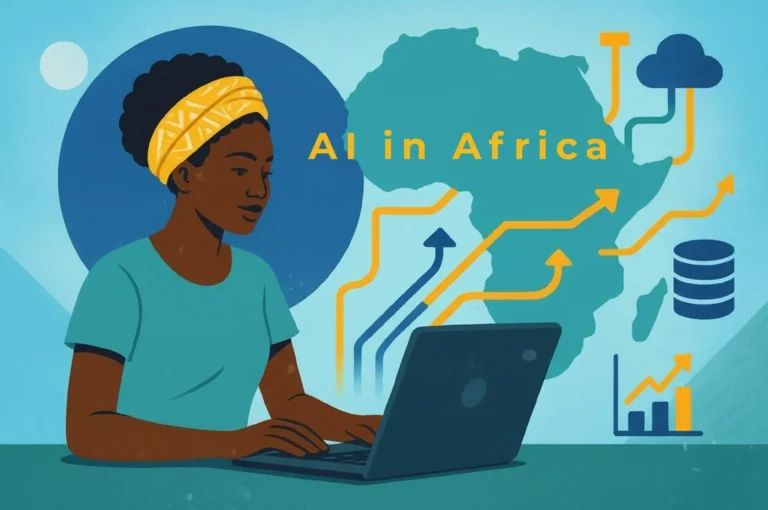

In the last decade, Africa’s security landscape has shifted dramatically. Gone are the days when national safety discussions were dominated only by physical threats like insurgency or border clashes. Today, the real struggle for national stability plays out as much on digital grids as it does on physical terrain. Artificial Intelligence, once a concept relegated to science fiction, is now central to how nations defend themselves, protect citizens, and navigate civil liberties in a hyperconnected world.
Artificial Intelligence is redefining what it means to keep a nation safe. From cyber defence systems scanning for threats in real time to powerful algorithms shaping public discourse, AI’s influence runs deep and wide. But this transformation brings both promise and peril. For African nations, which are rapidly adopting digital technologies without always having robust regulatory or infrastructural foundations, this leap into the digital age is both an opportunity and a challenge.
The Digital Shift: From Traditional Threats to Code-Based Risks
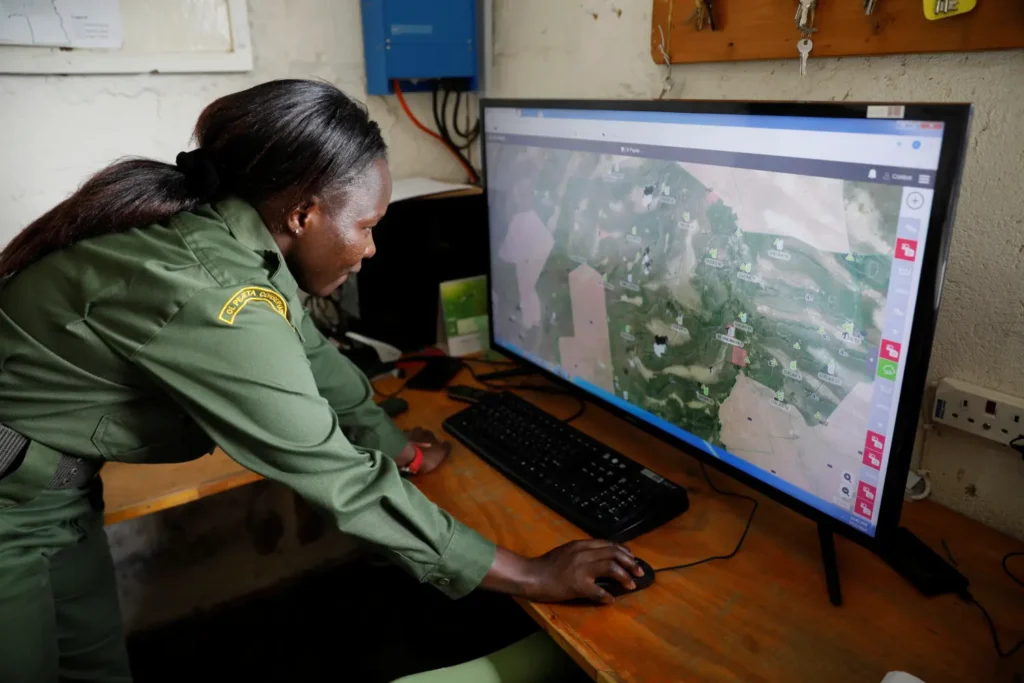
African security priorities have historically focused on physical threats such as armed robbery, terrorism, and insurgency. These were visible dangers that security agencies could tackle with boots on the ground. Today, however, the most formidable threats are often invisible. Cybercrime, driven by ever-more sophisticated digital tools and globalised networks, now poses a very real risk to economies, governance, and societal trust.
Regional assessments show that African nations collectively lose billions of dollars annually due to cybercrime, including identity theft, ransomware attacks, and online fraud. Attackers are increasingly using AI-powered techniques to automate phishing campaigns and scale their impact beyond what human hackers could achieve alone. These developments demand a new approach to national defence, one rooted in data, algorithms, and anticipatory action rather than reactive enforcement.
The shift from ‘guns to code’ is more than metaphorical. Countries like Estonia have embraced this change by integrating AI-driven cyber defence into their national strategy. Automated systems there can detect threats in milliseconds and respond before human operators can even analyse alerts. In contrast, many African cyber units remain underfunded and reactive, struggling to keep pace with rapidly evolving digital threats.
The Power of AI: Defender and Attacker
AI acts as a double-edged sword in security contexts. On one hand, it boosts cyber defence capabilities in ways previously unthinkable. Machine learning systems can analyse vast streams of network data to detect patterns that signal malicious activity. These systems can automate responses, reduce false alarms, and free up scarce human expertise for high-level decision-making. This is particularly valuable in African nations where cybersecurity professionals are in short supply.
On the other hand, the same tools that help defend networks also empower attackers. AI-enhanced malware, deepfake technology, and automation frameworks make it easier and cheaper for malicious actors to launch attacks at scale. Deepfakes, for example, can impersonate public officials with uncanny realism, undermining trust in public institutions and fuelling political instability.
Africa’s youngest demographic — with over 60 per cent of its population under the age of 25 — further complicates this picture. While youthful digital natives are a potential asset, high rates of youth unemployment can drive some into cybercrime, creating a feedback loop where skilled young people end up strengthening the very threats national systems aim to defeat.
Data Sovereignty and Strategic Dependencies
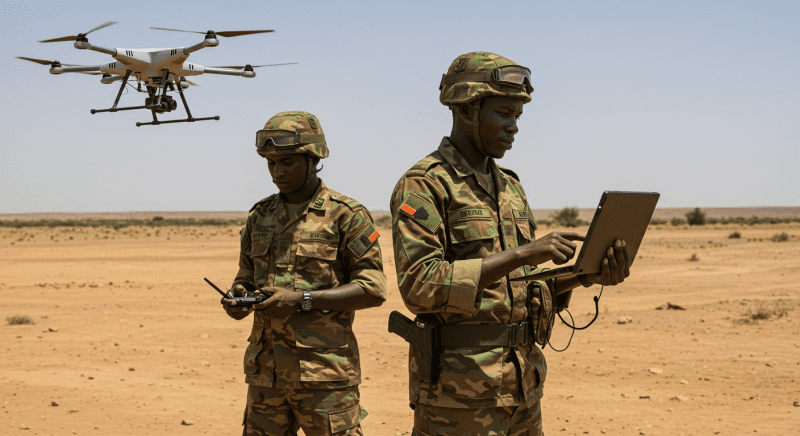
In the digital age, data has become one of a nation’s most valuable assets. Every mobile transaction, biometric login, and online interaction generates data that, when interpreted correctly, can support public safety, economic planning, and social development. However, most African data is stored on foreign-owned cloud platforms and analysed with algorithms developed outside the continent. This creates strategic dependencies that undermine national autonomy in ways that traditional defence strategies cannot address.
When critical systems rely on foreign infrastructure or tools built overseas, countries risk digital paralysis during geopolitical tensions or supply disruptions. What happens if access to these platforms is restricted by foreign policy decisions or cybersecurity concerns? These are not abstract scenarios — they are plausible risks that demand urgent attention.
Building sovereign data infrastructure and investing in domestic AI ecosystems would give African nations greater control over their digital destiny. This means developing local cloud capacity, training AI experts domestically, and creating regulatory frameworks that prioritise data protection and algorithmic accountability. Sovereign capabilities would reduce dependence on external tools and align AI systems with African values and strategic needs.
Balancing Security and Civil Liberties
Deploying AI for security also raises pressing questions about civil liberties. AI surveillance tools like facial recognition and biometric monitoring can help prevent crime or track threats efficiently. Yet without robust oversight and transparent rules, these systems can erode privacy and free expression. Facial recognition algorithms, for instance, have been shown to misidentify individuals with darker skin tones more frequently, creating risks of wrongful targeting in law enforcement contexts.
African nations must learn from global debates around digital rights and human freedoms. The African Declaration on Internet Rights and Freedoms, for example, provides a framework for balancing digital innovation with principles like open access and non-discrimination. Such frameworks remind policymakers that security strategies must not sacrifice dignity and fundamental rights in the name of protection.
The tension between security and liberty is particularly acute in election cycles, where AI-generated disinformation campaigns can destabilise democratic processes without a single shot being fired. Deepfake videos and algorithmically tailored misinformation can quickly spread across social platforms, distorting public perceptions and undermining trust in institutions. African democracies must therefore build digital resilience alongside traditional electoral safeguards.
Policies, Talent, and Public Awareness
Addressing AI-driven security challenges is not just a technological problem; it is a policy and societal one. Governments need comprehensive AI and cybersecurity strategies that include clear regulations, human rights safeguards, and ethical guidelines. Continental and regional collaborations, such as those encouraged by the African Union’s various cyber conventions, can harmonise efforts and create shared standards across borders.
Universities and research institutions have a critical role in nurturing talent in AI, cybersecurity, and digital governance. Producing skilled professionals at scale will help bridge capacity gaps that now leave many African cyber defence units overstretched. Public-private partnerships can also help accelerate innovation while building local solutions tailored to African contexts.
Equally important is public awareness. Citizens must understand how their data is used, and how algorithms influence everything from social media feeds to public services. Digital literacy campaigns can empower communities to protect themselves online and to hold institutions accountable. This is especially true in places where misinformation and algorithmic manipulation are still poorly understood by the general public.

A Collective Responsibility
Africa’s digital transformation is a journey with immense promise. If harnessed strategically, AI can strengthen cyber defence, improve public services, and support sustainable development. But without clear strategies, ethical frameworks, and sovereign control over digital assets, the continent risks trading one set of vulnerabilities for another.
National security in the 21st century extends beyond territorial borders. It includes the invisible lines of data flows, algorithmic influence, and digital infrastructure. As threats evolve at machine speed, so too must Africa’s response. This requires political will, investment in talent, and a commitment to safeguarding both security and civil liberties. The future of national safety will be written not only with laws and policies but with code, data governance, and the collective effort to build an Africa that thrives in the digital age.
Join Our Social Media Channels:
WhatsApp: NaijaEyes
Facebook: NaijaEyes
Twitter: NaijaEyes
Instagram: NaijaEyes
TikTok: NaijaEyes