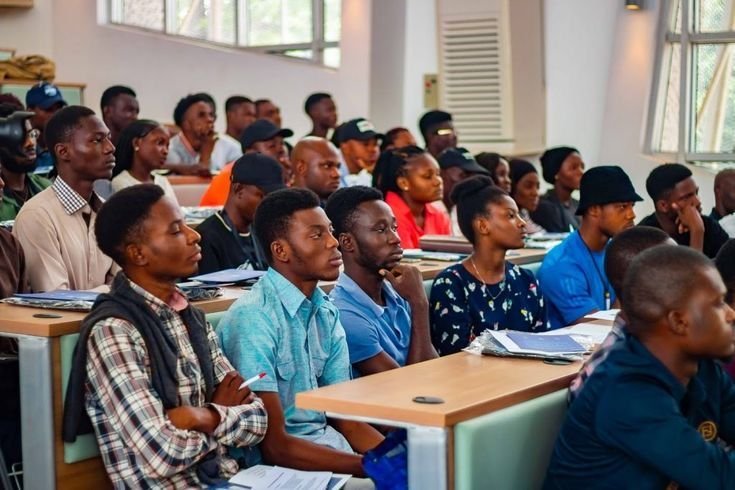
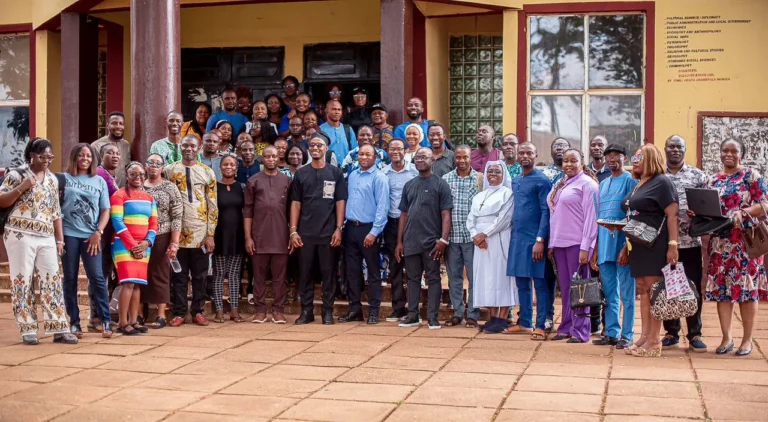
In communities across Nigeria, the Youth Empowerment Foundation (YEF) has drawn attention to a crucial link between sanitation and girls’ consistent attendance in school. According to YEF’s recent statement, improving hygiene and sanitation facilities in schools is helping more girls remain in class and take full advantage of their education.
At the heart of this issue is the reality that many girls struggle to attend school regularly when basic sanitation services are absent. In schools without functional toilets, clean water and privacy for menstrual hygiene, girls often miss classes or drop out altogether. This is a problem not only for their personal futures, but for communities and national development.
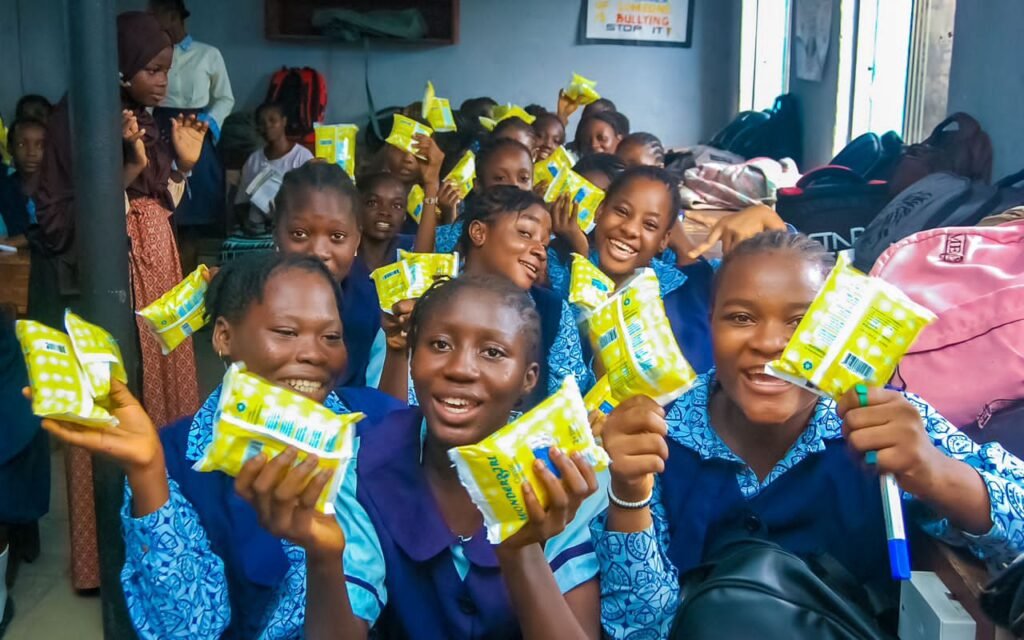
The Sanitation Gap in Schools and Its Effect on Girls
Available data shows that access to clean water, separate sanitation facilities and hygiene services in Nigerian schools remains limited. National surveys indicate that only a minority of schools provide basic water services and even fewer offer gender-sensitive sanitation catering to girls’ needs. Experts argue that this gap directly undermines learning and attendance.
For adolescent girls, the lack of private and hygienic toilets is more than an inconvenience. It becomes a significant barrier during menstruation, when privacy and clean facilities are essential. Without them, many girls choose to stay home during their monthly cycle rather than risk discomfort or embarrassment at school. Research has found that girls in schools with inadequate sanitation facilities are considerably more likely to miss school during menstruation compared with those who have access to proper toilets and water.
Beyond menstrual hygiene, poor sanitation can expose students to disease, open defecation and health risks that further reduce attendance and academic performance. Parents and caregivers may also be less willing to support girls’ education when the school environment feels unsafe or unhygienic.
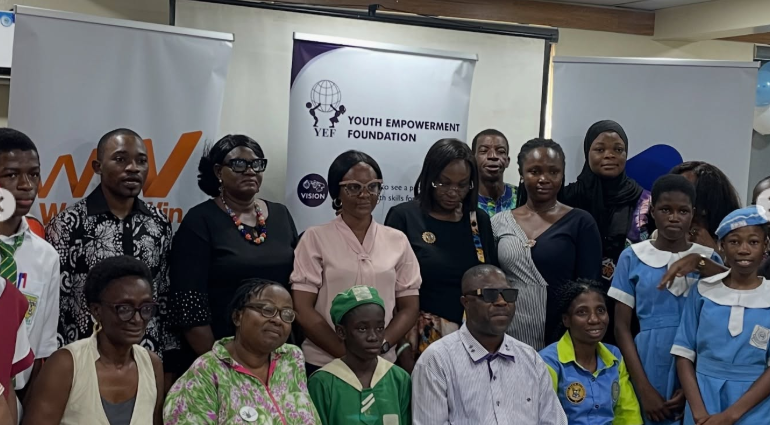
Why Clean Water and Toilets Matter
Sanitation is not simply about convenience. It affects safety, dignity and the right to learn. When younger learners reach puberty, the absence of gender-appropriate sanitation can lead to avoidance of school on certain days, fatigue from fetching water or a decision to leave school permanently. This undermines national efforts to improve female education and bridges gaps in gender equality
Lessons from interventions in states like Kano show how targeted improvements can change the narrative. In communities where clean water sources, separate latrines and handwashing stations have been installed, girls are more likely to attend school regularly. These facilities give parents confidence that their daughters can manage hygiene needs with dignity, helping to close attendance gaps and keep girls engaged in their studies.
Beyond infrastructure, the presence of active cleaning and maintenance and ongoing hygiene education also makes a difference. Schools with community involvement in maintaining water and toilets tend to have better functioning facilities and greater use by students. For girls, knowing there is water to wash hands, private stalls to change pads and safe spaces to care for themselves can be transformative for their daily school life.

Calls for Action and Sustainable Solutions
YEF’s emphasis on sanitation and attendance adds to a broader national call for action from education advocates, health workers and civil society. Sustainable solutions must go beyond building toilets and drilling boreholes. Schools also need systems for ongoing maintenance, budgeting for repairs, and community engagement to ensure resources continue serving students long term.
Policymakers are urged to integrate sanitation infrastructure into core education planning, with specific focus on gender-responsive services. Experts suggest that prioritising Water, Sanitation and Hygiene (WASH) services in school development plans will have far-reaching effects on attendance, health and learning outcomes for all pupils, and particularly for girls.
Community leaders and parents also have a role to play. When local stakeholders support school hygiene committees or contribute to maintenance funds, facilities are more likely to remain functional and reliable. In many successful cases, this shared responsibility has helped sustain water systems and toilets that would otherwise deteriorate.
Investments in sanitation are investments in girls’ education, health and future opportunities. As Nigeria continues efforts to improve school environments, the emphasis on clean water and private, functional sanitation facilities remains essential for ensuring that every girl can attend school with dignity and without unnecessary barriers.
Join Our Social Media Channels:
WhatsApp: NaijaEyes
Facebook: NaijaEyes
Twitter: NaijaEyes
Instagram: NaijaEyes
TikTok: NaijaEyes