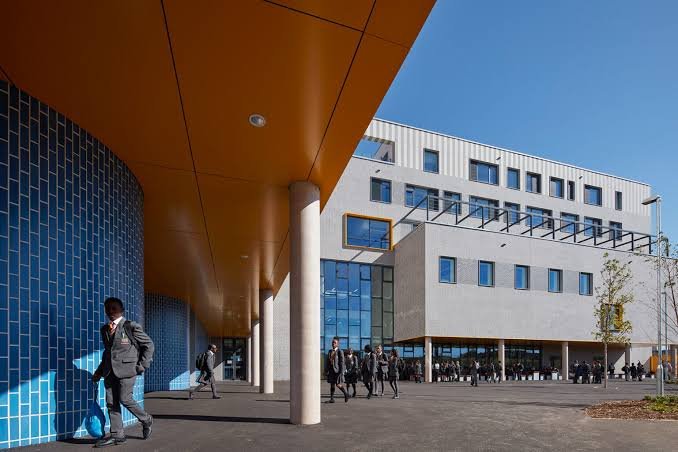
In a landmark development that could reshape how Nigeria approaches its security challenges, the Federal University of Technology, Babura (FUTB) has unveiled plans to harness cutting-edge technology and local innovation to support efforts against rising insecurity across the country. The university leadership says this initiative will leverage its engineering expertise and research capabilities to provide practical, homegrown technological tools that can strengthen surveillance, response and community safety systems.
This forward-looking approach comes at a time when Nigeria continues to face complex threats from banditry, kidnappings, insurgency, and other criminal activities. Specialists and policymakers have repeatedly emphasised that traditional security measures need reinforcement with data-driven, technology-enabled solutions to achieve meaningful results.
The Vice Chancellor of FUTB, Professor Sabo Ibrahim, shared insights into the university’s vision in an exclusive interview, stressing that the institution is determined to play an active role in supporting national security through innovation, partnerships and human capacity development.

Turning Academic Strengths into Security Tools
Since its inception in 2021 and formal commencement of academic activities in 2022, FUTB has placed emphasis on engineering, computing and science disciplines, including specialised fields like cybersecurity and software engineering. The Vice Chancellor highlighted that these academic foundations provide fertile ground for developing bespoke technological systems tailored to security needs.
Professor Ibrahim explained that the Department of Electronic Engineering is already capable of creating systems that can enhance the security of communities, facilities and critical infrastructures. He pointed out that research is not just about theory but about practical, real-world applications that can make a positive difference in people’s lives.
The university is exploring both the development of new tools and the adaptation of existing technologies to tackle local security problems. This approach aligns with national conversations on innovation-driven responses to crime and unrest, where technology can provide early warning, rapid response and analytical capabilities that human personnel alone cannot match.
A Vision for Growth and Collaboration
Looking ahead, Professor Ibrahim outlined an ambitious roadmap for FUTB that goes far beyond short-term projects. Over the next five years, the university plans to expand postgraduate offerings, introduce additional academic programmes and invest heavily in research. These steps, he says, will position the institution as a hub for technological innovation not just for security, but also for national development in agriculture, healthcare and other key sectors.
A significant part of this vision involves deepening collaborations with academic institutions and research organisations both within Nigeria and in neighbouring countries such as the Republic of Niger. These partnerships are expected to facilitate student exchanges, joint research and cross-border solutions to shared challenges.
The university’s strategic location in Babura, Jigawa State, near the Nigeria-Niger border, has been framed as an asset that can foster regional research initiatives and cooperation. Professor Ibrahim believes the physical proximity to neighbouring states presents opportunities for joint work on issues that transcend national borders.

Support and Challenges on the Path Forward
While FUTB’s leadership is optimistic, the Vice Chancellor acknowledged the financial and logistical challenges that come with building a world-class institution focused on innovation. He praised the goodwill and support received from the federal and state governments, but also appealed to philanthropists, corporate organisations and development partners to invest in the university’s mission.
One area where additional support is needed, Professor Ibrahim said, is transportation infrastructure for staff and students. Currently, the university operates just two buses to shuttle between its temporary and eventual permanent campuses. With rising fuel costs and transport challenges across Nigeria, expanding this fleet is seen as essential to improving campus mobility and accessibility.
Despite these hurdles, the university remains committed to quality education and innovation. FUTB is encouraging prospective students to join its programmes, emphasising strong engineering and IT curricula that prepare graduates to tackle national and global challenges. Foundation courses are also being offered to equip students with essential technical knowledge before they embark on their degree paths.
A Broader Role in National Development
The narrative emerging from FUTB reflects a larger national push towards integrating technology into security policy and practice. Experts have repeatedly noted that modern security challenges require data insights, predictive analytics and automated tools to improve effectiveness and responsiveness.
Nigeria has witnessed a growing emphasis on technology-driven responses, from digital surveillance to mobile-enabled reporting systems. Universities like FUTB, with strong engineering and computing faculties, are now being seen as strategic partners in this transformation, training the next generation of tech leaders and developing tools that can support security agencies.
By positioning itself at the intersection of education, research and national service, FUTB aims to go beyond traditional academic roles. Its commitment to contributing solutions to Nigeria’s persistent problems shows how higher education institutions can help drive positive change when they align academic strengths with societal needs.
The FUTB initiative is also likely to influence how similar institutions consider their own contributions to national development. As calls grow for more innovation-led strategies in confronting insecurity, universities across Nigeria may find themselves increasingly involved in research, technology transfer and collaborative projects with government and industry.

A Call to Action for Partners and Communities
Professor Ibrahim concluded his remarks with an appeal to all stakeholders to support FUTB’s journey. He stressed that the vision for a technology-driven university cannot be realised in isolation but requires shared commitment from government, private sector partners, civil society and communities.
His message reflects an understanding that tackling insecurity and related development challenges is a collective endeavour. With its strategic focus and growing capabilities, FUTB is setting out to contribute meaningfully to Nigeria’s long-term security and technological advancement.
As Nigeria continues to search for sustainable ways to address insecurity, innovations coming from academic institutions like FUTB offer hope that local expertise and research can help build a safer, more prosperous future for all citizens.
Join Our Social Media Channels:
WhatsApp: NaijaEyes
Facebook: NaijaEyes
Twitter: NaijaEyes
Instagram: NaijaEyes
TikTok: NaijaEyes