
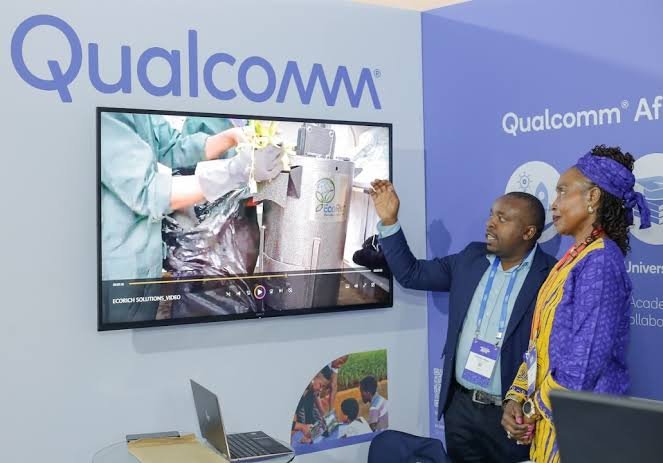
In a vibrant showcase of African ingenuity and technological excellence, Qualcomm Technologies Inc has successfully concluded the third year of its Qualcomm Make in Africa Startup Mentorship Program, spotlighting the extraordinary rise of tech-led solutions across the continent. The year’s virtual finale brought together innovators, industry leaders and partners to celebrate ten standout startups whose ideas signal a new wave of change and growth within Africa’s innovation ecosystem. This year’s programme saw an impressive response, with over 400 applications from 19 countries, reflecting a broad and growing interest among African founders to build solutions grounded in advanced technology like artificial intelligence, connectivity tools and Internet of Things (IoT) systems.
Qualcomm’s commitment to Africa’s tech community resonates deeply with founders and ecosystem builders alike. Through this programme, early-stage enterprises gain access to mentorship, expert engineering guidance and business coaching designed to bridge gaps in knowledge and technical experience. At a time when every innovation counts towards economic resilience and social impact, the initiative continues to push boundaries in mentorship-led growth.
Celebrating the 2025 Cohort and Their Innovations
At the heart of the third annual mentorship programme are the ten startups that emerged as this year’s cohort, representing a wide span of countries including Nigeria, Kenya, Tunisia, Benin and Senegal. These businesses address real-world challenges ranging from agricultural productivity to healthcare accessibility and climate adaptation. What unites them is not only their ingenuity but also the potential to scale solutions that improve lives.
Among the Nigerian contingent, Aframend is gaining attention for its use of artificial intelligence to tap into indigenous medicinal plants, working to translate local knowledge into safe and affordable modern therapeutics. ClimatrixAI focuses on community safety by deploying connected weather and flood stations powered by AI to monitor risks and deliver timely alerts. Across the continent, other startups are harnessing technology in novel ways. In Tunisia, AmalXR provides virtual rehabilitation through intelligent devices, while Ecobees builds smart systems to monitor hive health and support pollination. In Kenya, Farmer Lifeline uses small solar-powered field scanners to detect pests and diseases, sending alerts straight to farmers’ mobile devices to protect crops and boost food security.
These innovations demonstrate how targeted mentorship, paired with grassroots creativity, can elevate ideas from workshop sketches to market-ready ventures. The diversity in sector focus also underscores the programme’s broad relevance, touching health, agriculture, mobility and environmental resilience.

Wireless Reach Social Impact Fund and Broader Supportive Ecosystem
A key highlight of this year’s celebration was the awarding of the Wireless Reach Social Impact Fund to Farmer Lifeline from Kenya. Sponsored by Qualcomm’s Wireless Reach initiative, the fund is dedicated to strengthening ventures that use wireless technology to create tangible community benefits. The recognition comes with dedicated financial backing and tailored technical support, enabling the startup to widen its reach and deepen its impact within agricultural communities.
The Social Impact Fund is part of Qualcomm’s broader strategy to not only mentor innovators but to actively invest in projects that demonstrate real potential for economic and social change. The support goes beyond mentorship to include stipends for each startup in the 2025 cohort, assistance in safeguarding intellectual property, and opportunities to build relationships with venture capitalists, industry partners and ecosystem connectors. These layers of support are designed to help young companies transition from promising concepts to sustainable enterprises.
As seasoned founders often attest, access to funding, expert advice and networks can be just as valuable as technical capabilities when it comes to building resilient startups. By weaving these elements into the programme’s core, Qualcomm is contributing to a culture that values long-term growth over short-term gains.
Voices from the Ecosystem and Looking Ahead
In reflecting on the year’s achievements, Qualcomm leadership shared insights into the transformative power of African innovation. Elizabeth Migwalla, Vice President of International Government Affairs at Qualcomm Incorporated, highlighted how this year’s startups turned complex problems into solutions with real potential for social and economic upliftment. Her remarks pointed to deeper trends in African tech, where creativity and technical skill converge to meet local needs with global relevance.
The partnership with the African Telecommunications Union (ATU) was also highlighted as an important step toward harmonised tech growth across the continent. John Omo, Secretary General of the ATU, emphasised the importance of collaborative efforts from governments, universities, investors and industry players in amplifying the impact of programmes like Make in Africa. His comments resonated with many in the audience who see innovation as a shared responsibility and a collective path to economic empowerment.
Looking ahead, Qualcomm is already preparing for the 2026 Make in Africa Startup Mentorship Programme. Applications are now open, inviting a new generation of entrepreneurs to step forward with ideas that could define the next chapter in Africa’s tech evolution. With each passing year, the programme’s reach and reputation strengthen, helping position Africa as a hotspot for innovation that is both homegrown and globally competitive.

Conclusion
As the third edition of the Qualcomm Make in Africa Startup Mentorship Program draws to a close, the impact on the continent’s technology ecosystem is unmistakable. What began as a bold initiative has grown into a powerful platform for talent discovery, capacity building and long-term growth. From climate resilience to healthcare breakthroughs, this year’s cohort reflects the depth and breadth of talent across Africa’s startup landscape.
For the innovators from Nigeria, Kenya, Tunisia, Benin and Senegal, the programme has not only provided resources and exposure but has also validated their work in the eyes of a global audience. As they move forward, equipped with mentorship, funding and new connections, these startups are poised to chart new paths for their communities and industries. The story of Make in Africa is still unfolding, but its message is clear: with the right support, African innovation can thrive and compete on the world stage. Brand Icon
Join Our Social Media Channels:
WhatsApp: NaijaEyes
Facebook: NaijaEyes
Twitter: NaijaEyes
Instagram: NaijaEyes
TikTok: NaijaEyes
READ THE LATEST EDUCATION NEWS