

The rapid rise of artificial intelligence tools in everyday life has dramatically shifted how young people interact with technology. From generative chatbots to AI companions, children and teens are engaging with systems that simply did not exist a few years ago, yet laws and guidance aimed at protecting them have struggled to keep pace. What’s becoming clear is that the policy landscape across the United States is uneven and evolving fast, with states taking matters into their own hands amid federal uncertainty and significant concerns from parents, educators, and child safety experts, as reported by Axios.com.

Teens Are Using AI More Than Ever, and Policies Lag Behind
A growing proportion of teenagers now interact with generative AI tools, often daily. Surveys suggest about seven in ten teens have used AI in the past year, yet parents overwhelmingly feel that schools are unprepared to guide safe use. Many educational institutions have no formal curriculum or safety framework in place, leaving guardians unsure how to support their children online.
This surge in everyday use comes just as public concern over digital harms has expanded to include AI-specific risks. These range from worries about privacy and mental health to deeper issues such as children forming emotional bonds with AI companions or being exposed to harmful content without adequate filtering. Conversations around safety are far broader than they were in the early internet era, where worries centred on chatrooms and cyberbullying; now they include how AI might shape attention, emotional development, or even identity.
In response to these threats, policymakers are experimenting with new laws and regulations at the state level, since comprehensive national legislation has not yet been established.
States Step Up With Unique Approaches
In the absence of a unified federal policy, many states are moving quickly to design and pass their own laws to protect minors from AI-related harms. These policies vary widely in scope and focus. Some states are targeting specific types of content or interactions, while others are drafting broader safety frameworks.
For example, Texas enacted a law in 2025 that creates criminal offences for possessing or promoting certain obscene visual material, including AI-generated images that appear to feature minors. This is part of an effort to make deepfake child sexual abuse material explicitly illegal, with penalties ranging from fines to potential prison time.
Other states are exploring bills that would impose age verification requirements on digital platforms, particularly social media and AI services. These laws aim to ensure that children under 18 cannot access certain online tools without parental consent or reliable proof of age. Similar policies have helped shape how social media networks operate, and state legislatures hope to extend this model to emerging AI systems.
In Minnesota, lawmakers have openly rejected federal attempts to preempt state AI laws, arguing that regional leadership is essential to keep up with technological change. Proposed legislation in the state would prohibit minors from using conversational AI chatbots entirely, require clear disclosure when an interaction is with AI rather than a human, and block apps that generate altered “nudification” images. Axios
Meanwhile, several states that have historically led digital safety initiatives are now incorporating AI into those frameworks. Laws aimed at protecting children online, such as restrictions on inappropriate content and requirements for filtering in schools and libraries, are being expanded to cover AI-enabled tools and services.
Tech Industry Response and Parental Controls
At the same time, major technology companies are under growing pressure to adopt their own safety measures, often in advance of or in lieu of legislation. Platforms like OpenAI’s ChatGPT and Meta’s AI features are introducing parental controls to give guardians more oversight of how teens interact with AI.
For instance, Instagram and Facebook have rolled out settings where parents can see when their teens are talking to AI characters and set strict time limits on usage. These controls also include automatic age-appropriate interactions and automated placement of suspected teenagers into protected safety modes, even if they misrepresent their age.
OpenAI is developing systems that tailor AI behaviour based on a user’s age, ensuring that responses to teens are appropriate and prioritise safety. This approach includes discouraging immersive or romantic roleplay in conversations and promoting real-world support rather than offering potentially harmful advice, according to TechCrunch.
Some companies have taken even more radical steps. Character.AI, for example, has announced policies that will block users under 18 from accessing open-ended AI chats altogether, a decision influenced by lawsuits and public scrutiny over mental health risks linked to intense, unmoderated interactions with chatbots. These moves reflect an industry push toward safer usage, but also highlight how companies can be forced to reinvent themselves under external pressure.
Federal Uncertainty and the Push for National Standards
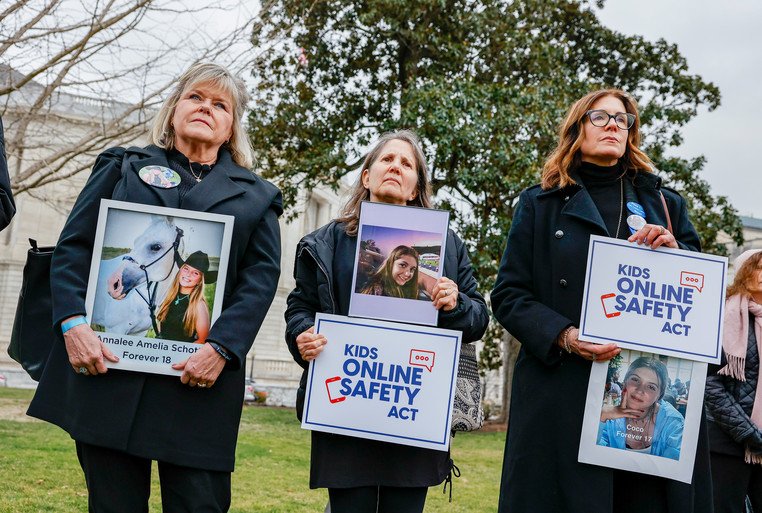
While states and companies innovate, federal guidance remains unclear. There have been multiple proposals in Congress to tighten safety around AI companions and chatbots, including bills that would mandate age verification and require disclosures that AI tools are not human. Some lawmakers are also pushing for national bans on AI companions for minors, criminal liability for platforms that enable harmful behaviour, and age checks using reliable methods.
Other federal efforts include laws passed before AI’s current prominence, such as the REPORT Act from 2024, which expanded reporting requirements for online exploitation of children. Although not AI-specific, this act strengthens structures that could support enforcement when AI is involved in harmful content.
Meanwhile, the executive branch has weighed in by issuing orders that call for a unified national approach to AI policy. These priorities often emphasise a single federal framework, but critics argue that such measures could undermine state laws already in place or slow down protections that children urgently need.
What Families and Schools Need to Know
With AI tools now embedded in daily life, parents and educators find themselves navigating uncharted territory. Many schools have not yet integrated AI safety policies into curricula or parental engagement plans, leaving a gap in guidance for millions of families. Parents are often tasked with monitoring usage themselves, while states slowly build legislative guardrails and tech companies adjust their systems.
Experts agree that protecting children online requires a multifaceted approach. That might include age verification and parental oversight, but also education to help young users understand risks and benefits. Organisations focused on online safety stress that policies should not just restrict, but also empower kids to use technology critically and safely.
For policymakers, the current patchwork of state laws represents both innovation and challenges. States trailblazing AI child safety measures could become models for others, but fragmentation also means inconsistent protection nationwide, potentially creating gaps that leave some children more vulnerable than others.

Looking Ahead
As AI continues to evolve at lightning speed, laws and safety standards are likely to expand in parallel. What began as a digital safety problem in the early internet era has evolved into a complex policy area where technology, psychology, education, and law intersect. Whether through state leadership, federal action, or industry innovation, the question now is not if robust protections will come, but when and how effectively they will safeguard the next generation.
The evolving landscape underscores the urgent need for collaboration between lawmakers, tech companies, parents, and educators to ensure children can benefit from AI’s promise without falling prey to its risks. AI child safety policies in the United States will remain a defining issue of the digital age as technology becomes even more integral to childhood itself.
Join Our Social Media Channels:
WhatsApp: NaijaEyes
Facebook: NaijaEyes
Twitter: NaijaEyes
Instagram: NaijaEyes
TikTok: NaijaEyes