Satellite internet provider Starlink has crossed a major milestone, confirming that its global customer count now exceeds nine million users. This surge in subscribers reflects one of the fastest growth periods in the company’s history and highlights how demand for space-based broadband is climbing sharply around the world, especially in markets where traditional internet services are slow, unreliable, or unavailable.
Rapid growth and what it means for global broadband access
Starlink’s parent company, SpaceX, disclosed that the service reached more than nine million customers by the end of December 2025. That follows a progression from eight million just weeks earlier and shows a steep acceleration in new sign-ups. On average, Starlink added over 21,000 new customers per day between its eight and nine million subscriber marks, a rate far above what it was seeing only a short time ago. Analysts tracking the figures say this doubling of daily additions highlights a strong global appetite for satellite broadband services.
This kind of rapid adoption matters because it shows satellite internet is no longer a niche option just for far-flung rural communities. Instead, it is becoming a serious competitor alongside fibre and mobile networks, especially in regions where laying cables is expensive or logistically difficult. Users in remote communities, maritime operations, small businesses, and areas prone to disruptions from natural events often choose satellite broadband for consistent coverage.
Industry watchers also believe this growth has boosted SpaceX’s strategic positioning within the broader telecommunications landscape. With millions of customers now connected via thousands of satellites in low Earth orbit, Starlink represents a growing revenue stream for SpaceX and a key component in its long-term growth plans.
How Starlink’s infrastructure and technology support expansion
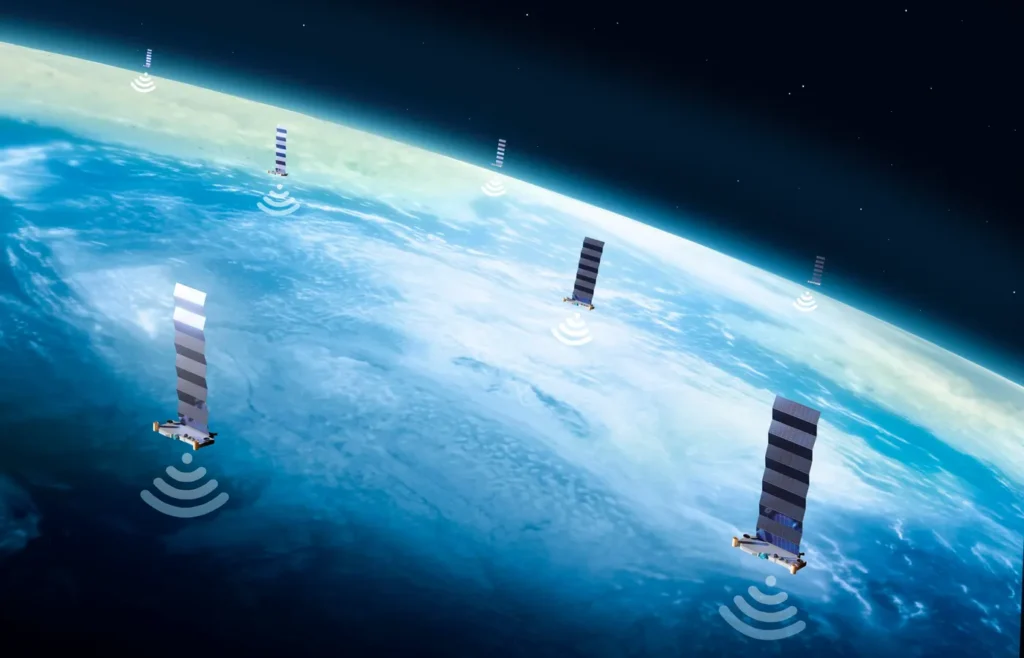
Starlink’s ability to serve millions of users depends on its expansive constellation of satellites circling the planet. SpaceX has been launching satellites at a brisk pace for years, with reports recently noting more than 9,100 active spacecraft deployed into low Earth orbit. These relay satellites work together to create a mesh network that beams broadband internet directly to small ground terminals at user homes, businesses, and mobile setups.
Behind the scenes, advanced technologies such as phased-array antennas, automated beam steering, and low-latency routing all contribute to improving performance and delivering competitive speeds. In many locations, users report download speeds comparable to or exceeding what they previously received from local terrestrial providers.
SpaceX also continues to refine its ground network and launch cadence. Falcon 9 rockets now regularly carry dozens of Starlink satellites at a time, with multiple missions each month supporting the constellation’s growth. The ubiquity of these launches demonstrates not just production capacity, but also the company’s commitment to scaling the network quickly to meet global demand.

Regional impacts and competition with traditional ISPs
The impact of Starlink’s growth is particularly visible in regions where connectivity challenges have long hindered development. In parts of Africa, Asia, and South America, satellite broadband has given schools, healthcare centres, and small enterprises new access to reliable internet. Partner deals between Starlink and local telecom operators are expanding this reach further, allowing companies to integrate satellite links into hybrid connectivity plans that blend traditional network infrastructure with space-based broadband.
In countries like Nigeria, Starlink has already risen through the ranks of internet service providers. Late last year it became the second largest ISP in Nigeria, overtaking some established fibre and wireless operators thanks to its rapid subscriber growth. Users in many Nigerian cities and rural areas value the service for its consistency and speed, even if the pricing remains higher than typical mobile data plans.
At the same time, Starlink’s growth puts pressure on traditional internet providers to improve service quality. Fibre deployments and terrestrial wireless networks must now compete on speed and reliability while also trying to expand coverage to underserved regions. Where infrastructure costs are high, satellite broadband has quickly become an attractive alternative.
Challenges and future outlook for satellite internet
Despite the impressive growth, the path ahead is not without challenges. Satellite internet providers like Starlink must continually balance capacity, latency, and cost while avoiding congestion in orbital lanes. With thousands of satellites already operational and many more planned, space traffic management and long-term sustainability are rising concerns among scientists and regulators.
There are also technical hurdles on the horizon. Delivering high-speed broadband to ever larger user bases means expanding ground stations and improving inter-satellite links. Starlink’s next-generation satellites are expected to offer greater throughput and efficiency, which could further boost performance and lower costs over time.
Regulatory environments will also shape the future of satellite broadband. Countries are negotiating spectrum access, licensing requirements, and safety standards that will affect how services can operate and grow. In some regions, local telecom regulators are already engaging with SpaceX to align on pricing and service obligations.

Looking ahead, industry forecasters believe that if Starlink maintains its current trajectory, it will continue to be a major force in global broadband, potentially doubling or tripling its customer base in the next few years. Expansion into new technologies such as direct-to-cell service, which connects satellites directly to mobile phones without ground infrastructure, could open even more market opportunities in the near future.
From Africa to the Arctic, access to internet has never been more vital for education, commerce, healthcare, and emergency response. With over nine million customers now connected, Starlink’s story is no longer just about space technology; it is about reshaping how the world stays online.
Join Our Social Media Channels:
WhatsApp: NaijaEyes
Facebook: NaijaEyes
Twitter: NaijaEyes
Instagram: NaijaEyes
TikTok: NaijaEyes