Nigeria is deep in sensitive discussions with global tech giant Google to bring a fresh undersea fibre optic cable into the country and improve the nation’s internet backbone. Senior officials say this move aims to reduce the frequent outages that have frustrated businesses and everyday internet users in West Africa’s largest economy. At the heart of these discussions is a shared ambition to strengthen Nigeria’s digital resilience and expand broadband access, which has struggled under outdated infrastructure and rising demand.
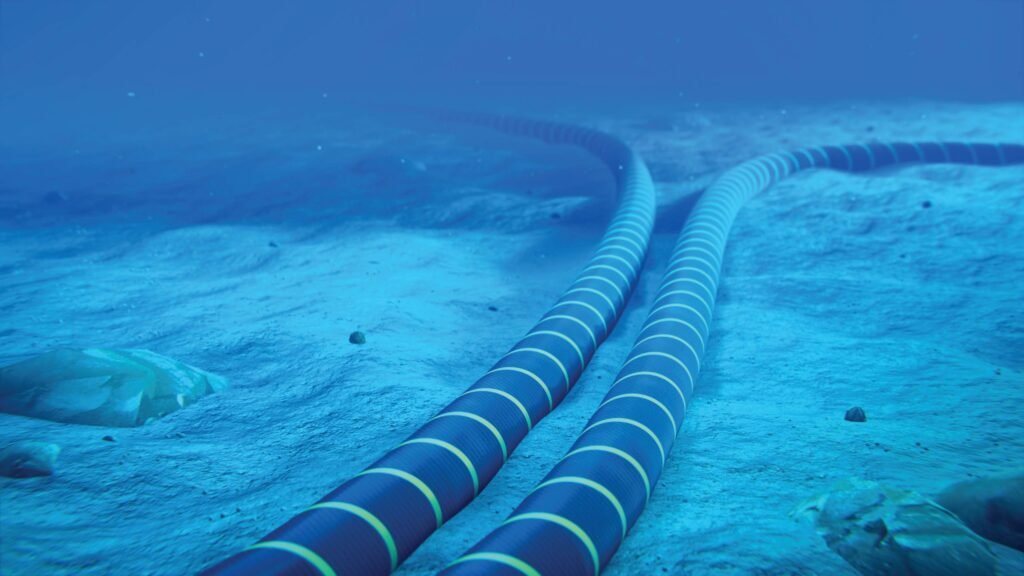
The stakes in these talks are high. Nigeria currently relies heavily on a small number of undersea cables for its international internet connections. When any of those links fail or become disrupted, as has happened repeatedly in recent years, large parts of the country experience slower speeds and service interruptions. Seasoned digital infrastructure experts say this is partly why Nigeria is seen as vulnerable when it comes to connecting local users to global networks. The new prospective cable with Google could change that reality if negotiations reach a successful end.
Government officials describe the current efforts as advanced, with Nigerian regulators and the tech company exploring both technical and financial frameworks for the project. On the Nigerian side, agencies involved in science and technology policy have underscored the importance of diversifying international internet routes to avoid single points of failure that can cripple connectivity across large regions.
At the same time, Google’s role signals a broader interest in West Africa’s expanding digital markets. Beyond connectivity alone, discussions are said to include cloud services, data centre partnerships, and investment into infrastructure that supports artificial intelligence and enterprise computing. For Nigeria, that is a landscape rich with potential and promise.
A landscape shaped by internet needs and setbacks
Nigeria’s internet users represent one of the largest populations of connected people in Africa. Yet fast, affordable and reliable broadband remains elusive for many. One persistent challenge has been the country’s heavy dependence on a handful of undersea cables that bring global internet traffic into the country. When these cables sustain damage or outages, as happened in 2024 when several subsea systems were cut off the West African coast, broadband was thrown into disrepair, and restoration took weeks.
For too long, Nigerians and local enterprises have had to contend with intermittent connectivity mixed with high data costs. Small businesses, tech startups and rural communities have felt the strain more than most. These service challenges have also dampened some foreign investments, because reliable internet is one of the basic expectations of global enterprise partners and technology companies.
It is for these reasons that the talks with Google are being viewed with optimism by telecommunications officials in Abuja. The country has already experienced the benefits of an earlier Google subsea cable project named Equiano. This cable, which was designed to connect Europe to several African coastal countries, including Nigeria, has expanded capacity and improved international connectivity since it began operations.
The Equiano cable was hailed by stakeholders for its expected impact on internet quality and pricing. Authorities said it would help Nigeria meet digital economy goals by lowering retail data costs and expanding bandwidth capacity across the country. There were also projections that the cable could support the broader national broadband plan by increasing internet penetration to meet targets set for the mid-2020s.
However, even with Equiano and several other subsea cables currently serving Nigeria, experts argue that the existing network lacks enough redundancy and diversity of landing points. That means a failure on one link still affects large swaths of users. Expanded connectivity with a new route in cooperation with Google could address that weak spot.

Government and private sector perspectives
Across meetings in Abuja, officials have made it clear that they see the potential Google collaboration as more than just a cable project. Top digital economy leaders and telecom regulators say they want the investment to unlock wider benefits such as better cloud computing access and new data services that support innovation in sectors like health, finance and education.
Kashifu Inuwa Abdullahi, the director general of Nigeria’s National Information Technology Development Agency, has been quoted explaining why diversification matters so much for the national economy. He said Nigeria’s heavy reliance on a small number of cable routes created a “single point of failure” that could leave the country’s digital ecosystem exposed if another disruption occurred.
Nigerian authorities also emphasise that discussions are not limited to one potential partner. Alongside Google, the government is said to be exploring terms with other technology firms to bring different kinds of infrastructure investments into the digital sector. This signals a broader push to position Nigeria as a West African digital hub capable of supporting regional internet traffic and possibly reducing net dependency on external networks.
Local telecom regulators are similarly upbeat about the possibilities. They point out that better international connectivity can attract cloud service providers, content distribution networks, and technology firms seeking strong regional bases. These developments could stimulate job creation, create new revenue for internet service providers and help strengthen Nigeria’s entire digital value chain.
Broader regional significance and future prospects
Nigeria is not alone in wanting to strengthen its internet infrastructure. Across West Africa and the rest of the continent, many countries have pushed for digital expansion as part of economic transformation strategies. Africa’s population is growing faster than anywhere else in the world, and digital technologies are becoming fundamental to education, commerce and governance.
Past undersea cable breaks in the region have had ripple effects, with services deteriorating in markets like Ghana, Senegal and Cote d’Ivoire when connections faltered. These events highlighted the fragility of existing systems and the need for more robust infrastructure projects that can weather unforeseen disruptions.
Google’s interests in African connectivity go beyond Nigeria alone. Earlier announcements by the company outlined plans to build subsea connectivity hubs across the continent and support broader ecosystem development. Observers see this as part of a larger strategy to boost global internet capacity while also tapping into Africa’s fast-growing demand for digital services and artificial intelligence tools.
Bringing a new cable into Nigeria could send a strong signal about the country’s digital future. It would affirm Nigeria’s role as a key market for fibre optic infrastructure and potentially attract further investments from cloud platforms and technology firms. In the process, more Nigerian businesses could access international markets with better speed, reliability and lower costs for digital services.
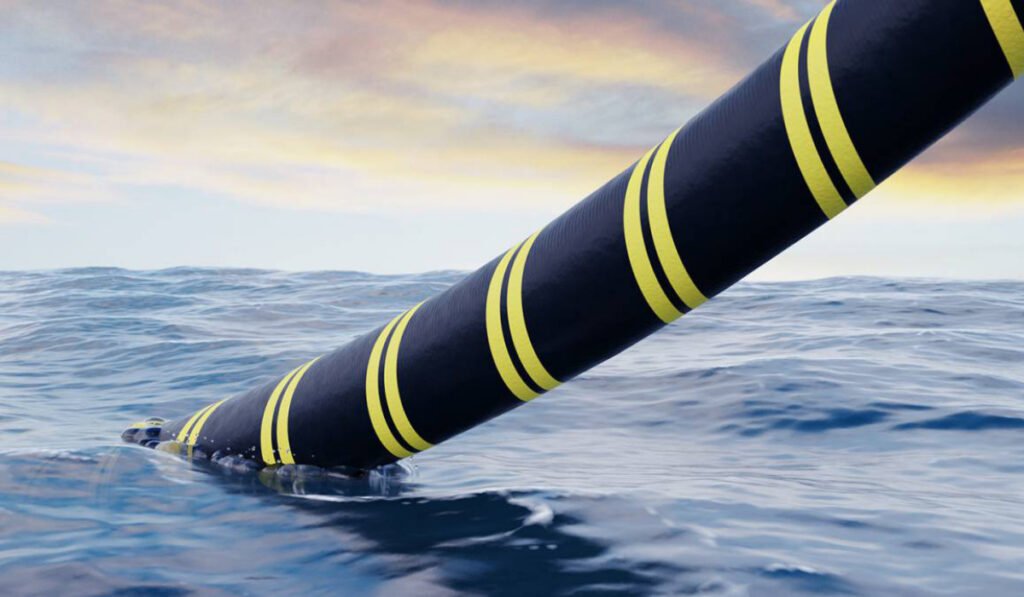
There are, of course, hurdles to clear. Negotiations must resolve financial, regulatory and technical conditions before any construction can begin. Both sides will need to agree on landing station locations, rights of way, pricing for capacity and how local internet service providers will interconnect with the new infrastructure.
But optimism remains high among local stakeholders. For many Nigerians, the promise of more reliable broadband connectivity is not just about faster streaming or social media access. It is about unlocking opportunities for startups, enabling more robust online education, and ensuring that the country’s digital economy can compete on the global stage.
As talks continue into the new year, all eyes will be on Abuja and Mountain View to see whether this bold plan can become reality and usher in a new chapter of digital growth for Nigeria.
Join Our Social Media Channels:
WhatsApp: NaijaEyes
Facebook: NaijaEyes
Twitter: NaijaEyes
Instagram: NaijaEyes
TikTok: NaijaEyes