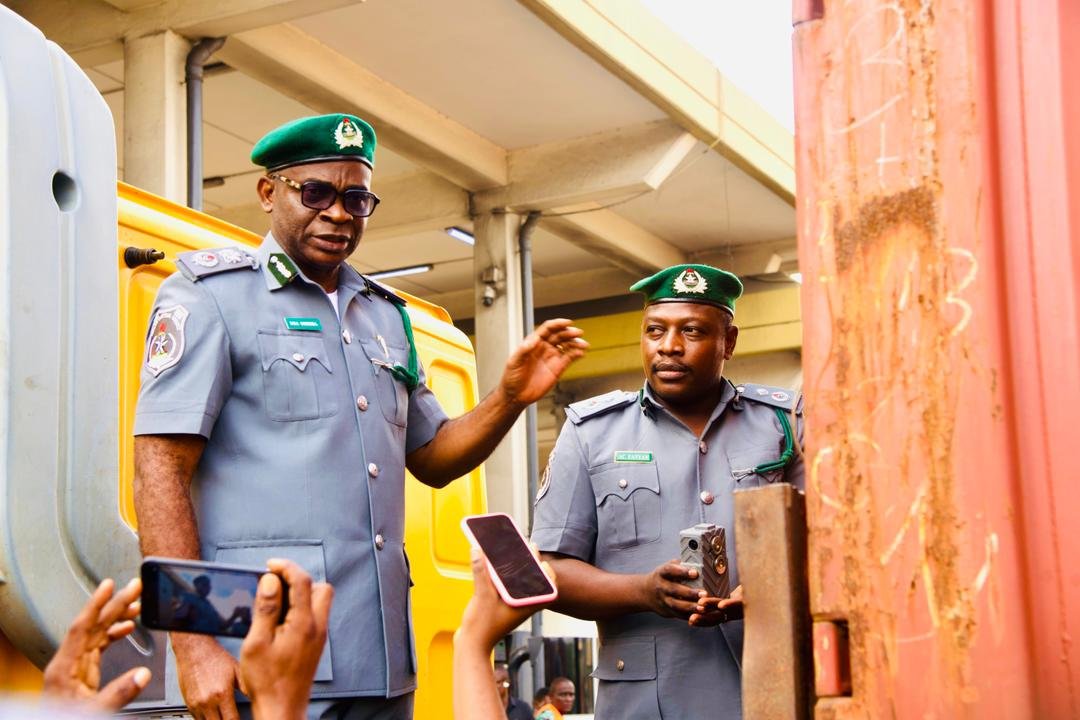

Customs Service has moved decisively to improve trade operations at the country’s busiest seaport with the introduction of a sophisticated scanning system that promises faster cargo clearance and greater efficiency at Apapa Port. This development comes as part of a broader drive to modernise customs processes and align with global best practices in trade facilitation and cargo security.
A Strategic Shift for Trade Facilitation
The Nigeria Customs Service (NCS) has completed final preparations on its newly installed FS6000 scanning machines at APM Terminals, Apapa. The announcement follows a series of extensive test runs and simulation exercises aimed at ensuring readiness for full operational deployment. Officials say this technology will mark a turning point in how cargo is handled at the port.
The scanners use advanced imaging to screen containers without the need for physical unpacking, reducing the time and labour associated with traditional inspections. Instead of relying solely on manual checks, the system captures detailed images which synchronise with electronic cargo declarations in real time. Customs authorities can immediately compare scanned results with the submitted data, highlighting discrepancies almost instantly. This real-time linkage is expected to cut down on paperwork and significantly shorten clearance times.
Comptroller Emmanuel Oshoba, the Customs Area Controller at Apapa, has highlighted the potential of these machines to transform port operations. Each unit can process up to 200 containers every hour, dramatically reducing the backlog that has long plagued importers and exporters. Stakeholders in the maritime sector have welcomed this upgrade, saying it could relieve congestion and improve the country’s competitiveness in global trade.
Technology in Action: What This Means for Port Users
For decades, businesses engaged in import and export have faced delays and high demurrage costs at Nigerian ports. Without modern scanning infrastructure, customs officials often resorted to manual inspections that slowed operations and created bottlenecks. The new scanning system changes this dynamic by enabling high-throughput, non-intrusive inspection of goods.
Under the previous framework, clearing cargo often meant unpacking containers and physically examining items to verify declarations. With the FS6000 scanners, customs officers can view detailed X-ray images of container contents, spotting irregularities that warrant further scrutiny. By focusing physical inspections only where anomalies are detected, the NCS expects to vastly improve cargo processing times.
Customs officials also anticipate that the new system’s real-time image synchronisation will support a shift toward paperless clearance. This is part of the Service’s broader ambition to digitise cargo processes and reduce reliance on manual documentation. Importers, clearing agents and terminal operators alike are hopeful that these technological improvements will translate into cost savings and a smoother business environment.
Strengthening Border Security and Trade Compliance
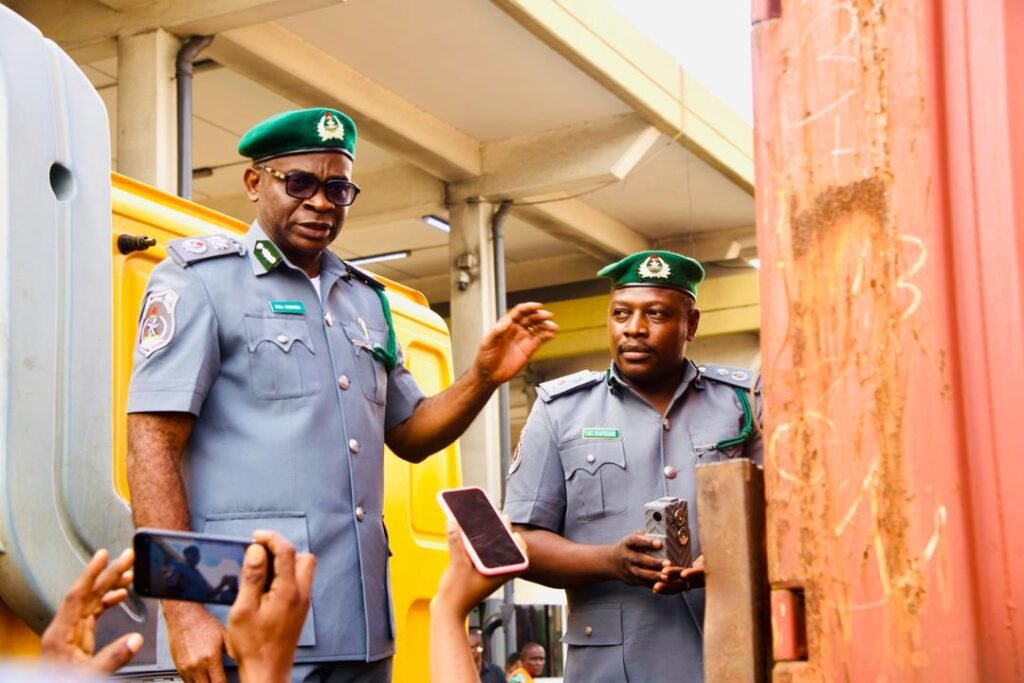
Beyond faster processing, the scanners are expected to play a significant role in strengthening national security. The advanced imaging technology provides customs officers with the ability to detect concealed contraband, undeclared items and potential threats more efficiently than ever before. Given Nigeria’s strategic importance in West African trade routes, enhancing scanning capabilities is also seen as a measure to curb smuggling and related criminal activities at seaports and border points.
The integration of these scanners into the broader customs framework reflects a commitment to meet international standards for cargo inspection. By adopting high-tech solutions, Nigeria is positioning itself alongside other maritime nations that have long leveraged non-intrusive inspection systems to balance trade facilitation with rigorous compliance checks.
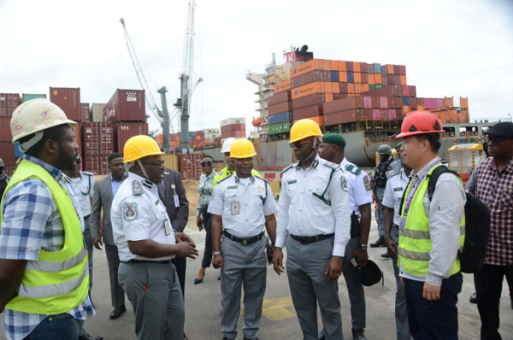
Officials emphasise that successful implementation will require collaboration among stakeholders, including customs personnel, port terminal operators and the Trade Modernisation Project team. The goal is not just to adopt technology for its own sake, but to ensure it contributes meaningfully to efficiency, transparency and trust in the trade system.
Impact on Nigeria’s Trade Landscape
The deployment of this new scanning technology comes at a pivotal moment for Nigeria’s economy and its maritime sector. The ports at Apapa and Lagos handle the bulk of the nation’s maritime trade, and any improvement in their operations has ripple effects across supply chains, businesses and consumers.
Many importers have voiced hope that the scanners will lessen container dwell times, which often extend into weeks under the old system. Reduced delays not only lower operational costs for traders but also improve Nigeria’s standing in global logistics rankings, where efficient clearance processes are a major factor.
In addition to technological upgrades, the Nigeria Customs Service has introduced complementary reforms designed to enhance overall trade facilitation. Initiatives like the One-Stop-Shop cargo clearance hub aim to cut cargo processing time from several weeks to as little as 48 hours by consolidating relevant checks and reducing bureaucratic hurdles. These systemic reforms, alongside investments in digital systems and scanners, signal a comprehensive approach to modernising customs operations.
For many traders who have long battled inefficiencies and uncertainty at the port, these developments are welcome news. Clearing agents and business owners have expressed optimism that faster inspection processes will translate into quicker delivery times and reduced costs. A more predictable and efficient port environment also attracts foreign investment, bolstering Nigeria’s position as a business hub in the West African region.
Looking Ahead
While the introduction of the FS6000 scanners is a significant milestone, customs officials maintain that this is one step in a longer journey toward digital transformation. Ongoing training for customs officers, expansion of scanning capacity to other ports and continuous engagement with trade stakeholders will be essential to sustain momentum.
The success of this initiative could also serve as a model for other countries in the region seeking to modernise their customs processes. By deploying advanced technology and streamlining procedures, Nigeria is demonstrating how strategic investments can enhance efficiency without compromising security.
As the scanners begin full operations, metrics such as cargo clearance times, revenue performance and stakeholder satisfaction will offer tangible measures of impact. Early signs suggest that this investment in technology may very well mark a new chapter for trade facilitation at Nigeria’s ports, bringing long-awaited relief to the business community and supporting broader economic growth.
In the evolving landscape of global trade, innovative tools like these scanners are not just technical upgrades. They represent a shift in mindset toward efficiency, transparency and competitiveness. If Nigeria can sustain these efforts and build on them, the country’s ports could soon stand among the most efficient on the continent.
Join Our Social Media Channels:
WhatsApp: NaijaEyes
Facebook: NaijaEyes
Twitter: NaijaEyes
Instagram: NaijaEyes
TikTok: NaijaEyes