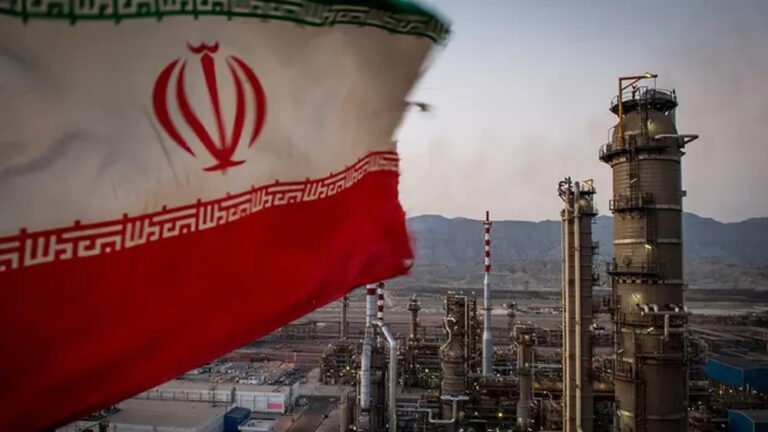
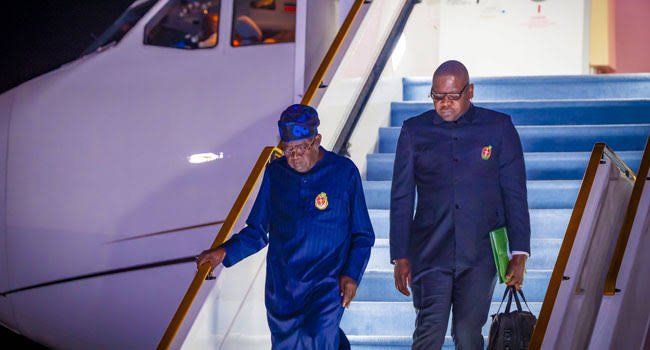
Federal Government confirms engaging US to strike terrorists in Northwest Nigeria
For years the conversation around the insecurity in the Northwest has been one of quiet desperation and localized struggle. We have watched our brothers and sisters in Zamfara, Kaduna, and Katsina live through a nightmare that seemed to have no end.
However, as we approach the close of 2025, a massive shift is occurring in our national defense strategy. The Federal Government has finally confirmed what many analysts have whispered for weeks: Nigeria is officially engaging the United States military to conduct kinetic strikes against terrorist enclaves in the Northwest.
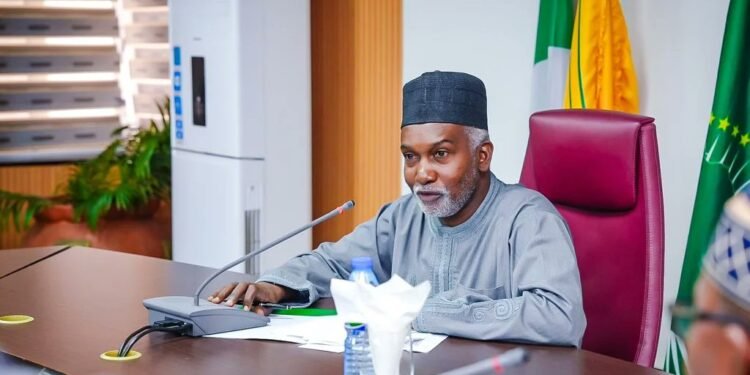
This is not just another diplomatic meeting or a promise of technical support. This is a significant escalation that signals a departure from our traditional go it alone approach to internal security.
As an editor who has followed the trajectory of our security challenges, I see this as a watershed moment. For a long time, the idea of foreign military intervention on Nigerian soil was a sensitive topic, often brushed aside in the name of sovereignty. But when you look at the abduction industry figures from earlier this year, with billions of naira paid in ransom and thousands of lives disrupted, it becomes clear that the situation requires a superior level of fire power and surveillance technology.
The state of play has changed, and the Federal Government is now betting on American precision to break the back of banditry once and for all.
The Strategic Shift In Nigerias Counter Terrorism Strategy
The decision to bring in the United States military for active strikes marks a pivot from passive cooperation to active partnership. In the past, our relationship with the US was limited to the purchase of Super Tucano jets and high level intelligence sharing. Now, the Federal Government is seeking kinetic support, which in plain English means American drones and aircraft targeting bandit camps in the deep forests of the Northwest.
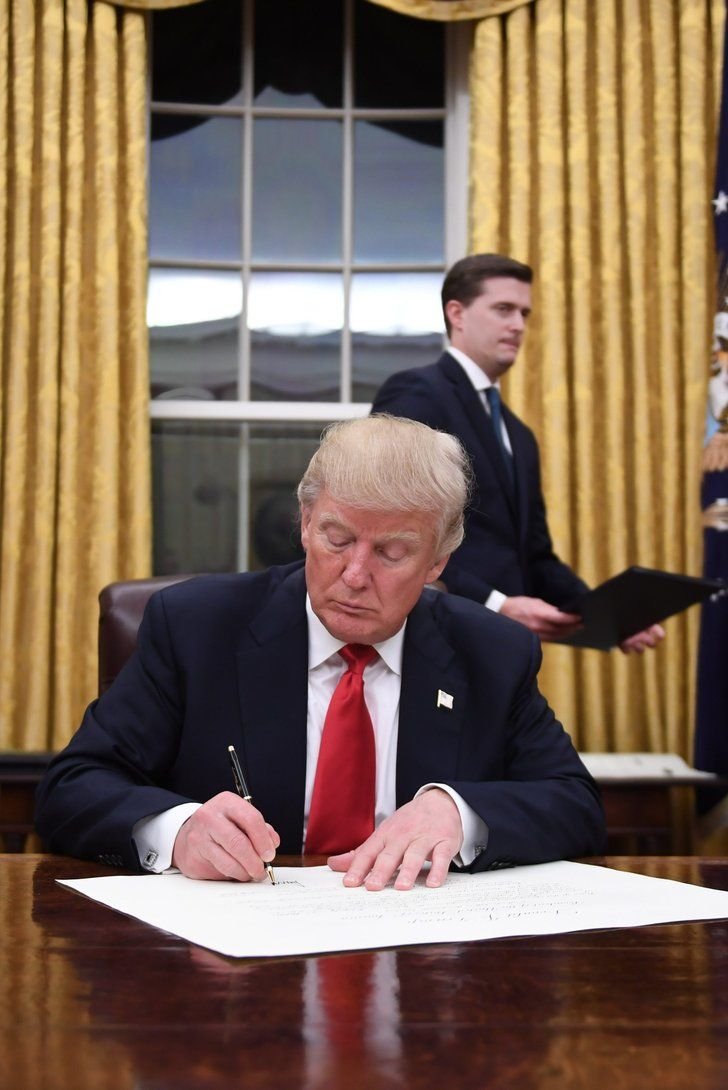
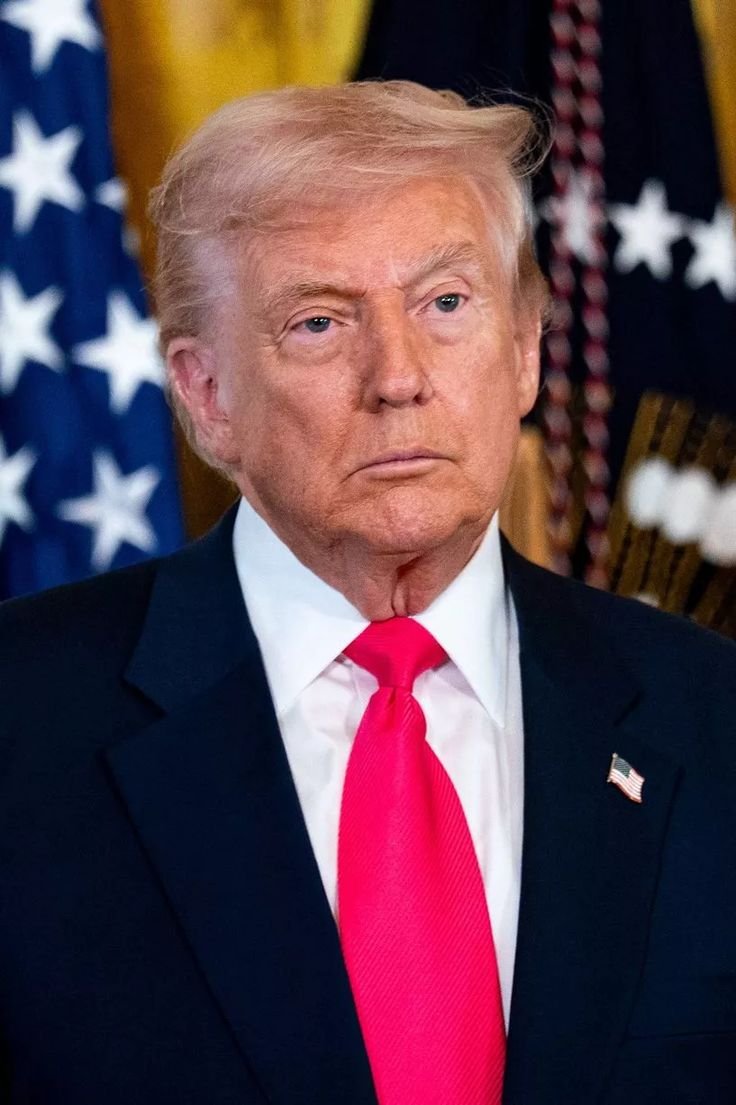
This move is partly a response to the Trump Directive, where the US administration expressed a renewed interest in crushing global terror cells that threaten international stability.
The Nigerian military has fought gallantly, but they have been stretched thin across multiple fronts including the Northeast, the Southeast, and the volatile Middle Belt.
By bringing in American technical and aerial supremacy, the government hopes to provide the hammer that will complement the anvil of our ground troops. This partnership is designed to neutralize the bandit leadership and destroy their logistics bases in areas that are currently inaccessible to traditional ground vehicles.
It is a bold move that acknowledges that the modern battlefield is won in the air and through real time satellite data.
Implications Of American Kinetic Support In The Northwest
What does this mean for the average Nigerian in the Northwest? For the farmer in Tsafe or the student in Kaduna, it means the possibility of a sky that is no longer a source of fear. American intervention typically brings a level of precision that can minimize collateral damage while maximizing the impact on the enemy.
The focus will be on the bandits who have consolidated themselves into parallel governments in rural spaces. These groups have grown so confident that they now operate mining sites and collect taxes from villagers.
However, we must also be realistic about the complexities of this kind of warfare. Kinetic strikes are effective, but they are not a magic wand. The terrain of the Northwest is rugged, and these criminal groups are deeply embedded in local communities.
The success of this Nigeria US military partnership against banditry will depend heavily on the accuracy of human intelligence on the ground. There is also the question of how these strikes will affect the mass abduction tactics. If the bandits feel the heat from the air, there is a risk they might use their captives as human shields.
These are the heavy questions that our defense chiefs and their American counterparts are surely debating in their war rooms right now.
Balancing Sovereignty With The Urgent Need For Security
There will always be the sovereignty argument. Some critics will say that inviting a foreign power to strike within our borders is a sign of weakness. But as a professional editor who speaks to people across the country, I can tell you that for the man whose daughter has been in a forest for six months, sovereignty is a secondary concern. The primary concern is safety.
The Nigerian government has been careful to frame this as a collaborative engagement rather than a takeover. The strikes will be coordinated with the Nigerian Air Force to ensure that our national interests are protected.
We must also consider the geopolitical weight of this move. By inviting the US, Nigeria is sending a strong signal to other regional powers and international investors. It says that we are serious about cleaning up our backyard to facilitate the $1 trillion economy goal. If the Northwest becomes safe, the potential for solid minerals mining and large scale agriculture is boundless. The Federal Government is essentially saying that it is willing to trade a bit of its pride for a whole lot of peace. It is a pragmatic trade off that many believe is long overdue.
What This Alliance Means For The 2026 Security Outlook
As we look toward 2026, the success of this alliance will be the yardstick by which the Tinubu administration’s security legacy is measured. If these strikes successfully dismantle the bandit leadership, we could see a massive return of Internally Displaced Persons to their ancestral homes.
This would be a huge win for food security, as the food basket of the North would finally be able to produce at full capacity again. The government’s increase in police recruitment to 50,000 officers also suggests a plan to hold the territory once the military clears it.
In conclusion, the engagement of the United States for strikes in the Northwest is a high stakes gamble that reflects the severity of our current crisis. It is a humanized response to a humanitarian disaster. We are no longer just condemning attacks or urging the military to do more.
We are calling in the heavy hitters. As we wait for the first reports of these operations, our prayer is that this Nigeria US military partnership against banditry will finally bring the Prince of Peace that the President spoke about in his Christmas message to the troubled lands of the Northwest. The world is watching, and for the first time in a long time, there is a glimmer of tactical hope on the horizon.
Join Our Social Media Channels:
WhatsApp: NaijaEyes
Facebook: NaijaEyes
Twitter: NaijaEyes
Instagram: NaijaEyes
TikTok: NaijaEyes