Brain-computer interface technology trends 2026 are rapidly reshaping how humans interact with machines and think about health, communication, and technology itself. As this field evolves, what once sounded like science fiction is becoming real for people around the world. In 2026, researchers, startups, investors, and governments are driving forward breakthroughs that could change lives in Nigeria and across Africa just as much as in the United States, China and Europe.
From restoring speech to people who cannot speak to creating new ways of sensing thoughts and emotions, brain-computer interface technology has moved from theory to thriving reality. Experts say 2026 will be a landmark year in the growth of devices that connect the human brain directly to external computing systems. These advances carry big hopes, challenges and questions about safety and ethics alongside enormous potential for health and industry.
In this comprehensive report, we explore how brain-computer interface technology trends in 2026 are unfolding, what they mean for health and society, and why this technology now matters like never before.

A Surge in Clinical Trials and Real-World Applications
In recent years, clinical trials of brain-computer interfaces have expanded significantly. What started with early feasibility studies involving just a few participants is now growing into more robust testing involving dozens of people. These trials aim to demonstrate both safety and effectiveness, and some have already moved beyond the laboratory into real-world settings.
Companies such as Neuralink and Synchron have been at the forefront of this movement. Both firms have secured special designations from regulatory authorities that recognise their devices as breakthrough technologies. This recognition speeds up review processes and helps bring new innovations closer to everyday use. These developments are part of a broader trend where private investment in brain-computer interfaces is rising sharply, reflecting growing confidence in the field’s future.
One major focus of these trials is medical support for people with paralysis or neurological conditions. For years, researchers have been working on ways to enable communication for those who are unable to speak or move due to conditions like amyotrophic lateral sclerosis (ALS). In 2025, new devices showed promise in translating brain activity into speech with recognisable tone and pitch, offering a glimpse of a future where thoughts can be communicated naturally through technology.
In addition to restoring lost communication, interfaces are being developed to support mobility. Some systems help users control robotic limbs, wheelchairs, or cursors using only neural activity. These devices work by detecting electrical signals in the brain, then converting them into digital instructions that computers or machines can act upon. Under continuous improvement, their accuracy and reliability are increasing with each generation of technology.
But the impact of brain-computer interface technology is not limited to people with disabilities. Researchers are working on broader applications, such as enhancing mental health treatments. Market analysis predicts that using brain-computer interfaces to provide real-time feedback on brain activity could become a key tool in diagnosing and treating mental health conditions. As patient-centred healthcare becomes more personalised, this trend could open new therapeutic pathways for millions.
New Technologies and Asian Competition
Brain computer interface technology trends 2026 also show exciting innovations in how we build and use these systems. Traditional brain implants rely on electrodes placed either on the surface of the skull or directly inside the brain. Both approaches have trade-offs between signal quality and invasiveness. However, new designs focus on flexible electrodes that conform more naturally to brain tissue, improving the quality of the neural signals captured while reducing risks.
Another major trend lies in high-bandwidth, ultra-thin implants that communicate wirelessly. One such device under development uses a single silicon chip placed between the brain and skull. This chip can transfer large amounts of neural data at high speeds to external devices, opening possibilities for more complex applications such as restoring vision or managing seizures in real time.
Beyond hardware innovation, Asia is emerging as a powerful hub for brain-computer interface development. China, for example, has seen a surge of startups eager to contribute to the next generation of brain technologies. Regional plans from cities like Shanghai and Beijing aim to position China as a global innovation leader by the end of the decade. These efforts include investment in core manufacturing, research capabilities, and industry clusters focused on neurotechnology.
Competition from across the world is driving faster progress and encouraging collaboration in research. This global environment could benefit patients and technology users everywhere, including in Nigeria. It also raises the stakes for regulatory frameworks, safety standards and ethical rules around use. But the entry of more players accelerates innovation and brings fresh perspectives to longstanding challenges in the field.
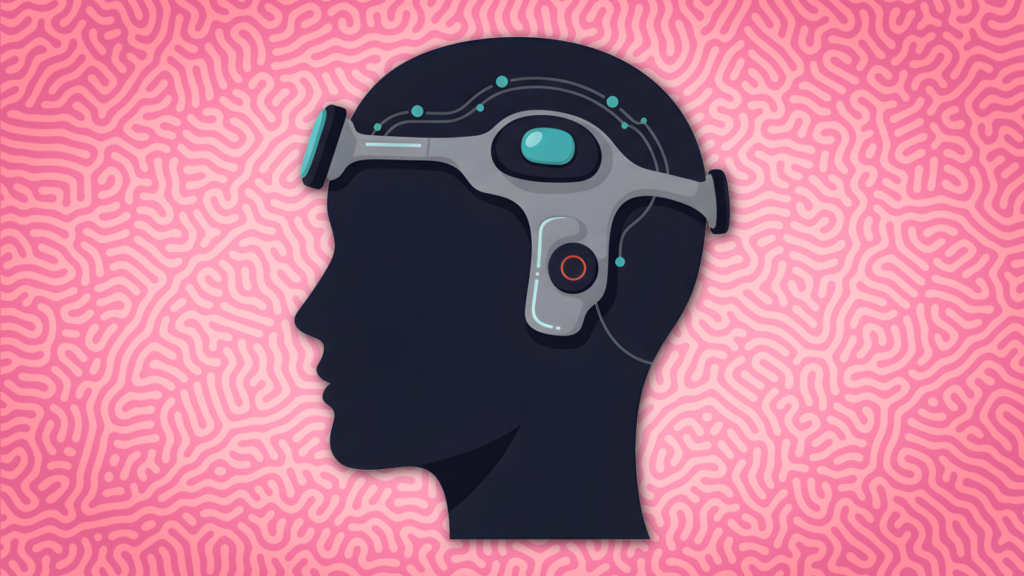
One of the emerging pathways in research and development is non-invasive brain-computer interfaces. These systems use external sensors such as specialised headsets to read brain signals without surgery. Innovations in this area are improving precision while lowering cost and risk. As technology matures, non-invasive systems may become more accessible to broader populations for both clinical and everyday use.
Economic Potential Beyond Healthcare
While the impact of brain-computer interfaces in healthcare is clear, their economic potential extends into many industries. Market forecasts suggest that by 2026, the global brain computer interface sector could be worth several billion US dollars. Growth drivers include advancements in machine learning, signal processing, and neuroimaging techniques that make interfaces faster, smarter and more reliable.
Gaming and entertainment industries are among the sectors exploring brain-computer interfaces for immersive experiences. Imagine playing a game not with a controller or touchscreen but entirely through focus and intention. Developers are experimenting with systems that use neural input to enhance interaction and responsiveness, promising a new kind of engagement for users.
In education, interfaces might one day enable real-time assessment of attention or cognitive exhaustion to tailor learning environments for individual students. For creative professionals, tools that directly interpret intention could unlock new forms of artistic expression and productivity. These possibilities may sound futuristic, but trends suggest early prototypes and experiments are already underway in diverse fields.
For Nigeria and other African economies, participation in these markets could lead to high-skill jobs, research partnerships, and local innovation ecosystems. Universities, tech hubs, and health institutions have opportunities to engage with global research and even develop homegrown applications that address local needs.
Ethical and Social Considerations
As brain-computer interface technology trends 2026 accelerate, ethical and social questions are central to responsible adoption. Direct access to neural signals raises issues of privacy, consent and mental autonomy. Unlike more familiar technologies that track actions or choices, BCIs operate at the level of thought and intention. This deeper engagement with human cognition invites careful thought about rules, safeguards and public understanding.
Experts emphasise the importance of transparent regulatory frameworks that protect users without stifling innovation. Ethical guidance is needed on how to store, interpret and share neural data, especially when it involves vulnerable patients or situations where consent may be complex. Responding to these challenges requires collaboration between technologists, policymakers, ethicists and communities.
Another concern is access and equity. As with many advanced technologies, initial costs and infrastructure requirements may limit who benefits first. Ensuring that developing nations or underserved populations are not excluded will be essential if these breakthroughs are to achieve their full potential. Africa’s participation in research, regulation and education about these technologies can help ensure that benefits are widely shared.
There are also broader cultural conversations to be had around human identity and intelligence. What does it mean to enhance cognition or interface directly with machines? How do traditional beliefs about the mind, personhood, and health intersect with neurotechnology? These questions are as important as the engineering challenges and deserve public discussion.

Looking Ahead
Brain computer interface technology trends 2026 show a vibrant field at a crossroads of science, medicine, industry and society. Hospitals are trialling systems that may restore speech or mobility. Tech startups are developing innovative hardware and software that capture and interpret brain signals with unprecedented precision. Markets are expanding beyond healthcare into entertainment, gaming and education.
For Nigeria, this global moment presents a chance to learn, adapt and possibly lead in areas that connect human potential with emerging technology. Universities and tech innovators can explore partnerships with institutions abroad. Health systems can consider how neurotechnology may eventually support rehabilitation and care. Policymakers can begin laying the foundations for ethical guidelines and consumer protections.
In 2026, brain-computer interfaces will no longer be a distant dream. They are happening now, and their impact could be as transformative as the internet or mobile phones were in earlier decades. As this technology develops, thoughtful engagement with its benefits and risks will be essential so that the promise of mind-powered machines becomes a reality that serves everyone.
Join Our Social Media Channels:
WhatsApp: NaijaEyes
Facebook: NaijaEyes
Twitter: NaijaEyes
Instagram: NaijaEyes
TikTok: NaijaEyes