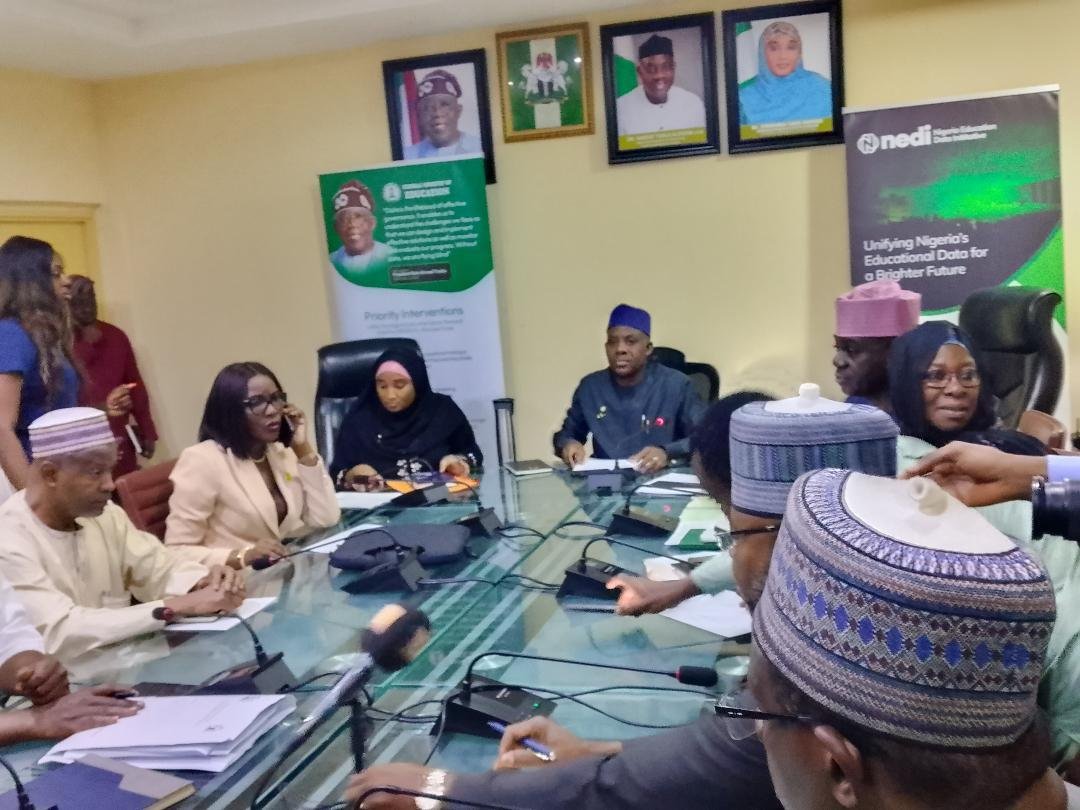

In what many are calling a historic moment for Nigerian higher education, the Federal Government and the Academic Staff Union of Universities have finally ended a long-standing renegotiation crisis that lingered for more than sixteen years. The two parties announced a fresh agreement late in December 2025 that resolves disputes over the 2009 Federal Government-ASUU Agreement and sets a roadmap for the future of public universities.
After years of stalled talks, repeated warnings, protests and strikes, the union and government both confirmed that a comprehensive framework has been reached that will take effect from 1 January 2026. The new deal targets some of the most contentious issues in the tertiary education sector, including staff pay, pension benefits, university funding and governance.
For many academics, students, and parents, this marks a welcome end to uncertainty that has repeatedly disrupted academic calendars and dampened morale in Nigerian universities. The implementation of the agreement now becomes the central focus for both parties.
Key Provisions in the New Agreement Between ASUU and FG
One of the headline items in the agreement is a 40 per cent increase in salaries for academic staff in federal universities. This adjustment is set to boost earnings across the sector and is intended to make academic careers more competitive and sustainable.
Another major change is in pension arrangements. Under the new terms, professors retiring at the statutory age of 70 will receive pensions equal to their full annual salaries, a provision that had been a long-standing demand from the union and a central issue in past negotiations.
The agreement also introduces a revised funding framework for public universities. This includes dedicated budgetary allocations for essential resources such as research activities, libraries, laboratory equipment and professional development for staff. Such improvements aim to address decades of under-funding and infrastructural decay.
A notable component of the deal is the proposed establishment of a National Research Council, which will be mandated to support research initiatives and innovations. The council is expected to be backed by at least one per cent of Nigeria’s Gross Domestic Product, a figure that underscores a commitment to elevating research capacity nationwide.
There are also governance reforms centred on enhancing university autonomy and academic freedom. The agreement provides that leadership roles such as deans and provosts will be elected positions, and only professors will be eligible to contest them. This change is designed to promote greater meritocracy within academic institutions.
To ensure that the painful history of industrial disputes does not repeat itself, both sides agreed to a non-victimisation clause. This guarantees that no lecturer will face reprisals for past involvement in industrial action linked to the renegotiation process.
What This New Agreement Between ASUU and FG Means for Universities and Students
The agreement is expected to bring much-needed stability to Nigeria’s public universities. Over the years, periodic strikes and prolonged negotiations have affected millions of students, delaying graduations and disrupting academic plans. For many families, the cessation of this crisis comes as a sigh of relief ahead of the 2026 academic year.
Academic leaders have welcomed the breakthrough but are quick to emphasise the importance of full and timely implementation. Experts warn that without sincere follow-through, past patterns of delayed execution could erode confidence and quickly undo the progress represented by this deal.
Students’ unions and parent groups have also cautiously reacted, expressing hope that the agreement will translate into better learning environments and fewer disruptions to their academic journeys. For many observers, the success of this pact could signal the beginning of a more consistent era for Nigeria’s tertiary education sector.
The agreement includes a clause for review every three years, recognising that benchmarks for quality education and funding must evolve with changing realities. This provision ensures that future generations of academics and students have a structured mechanism for addressing emerging challenges.
Beyond the ASUU and FG Agreement: Challenges Ahead and Next Steps
While the new agreement marks a major milestone, it also brings fresh responsibilities. Implementation remains the most critical phase, and both ASUU and the Federal Government have highlighted the need for transparency, accountability and sustained commitment to the terms.
Critics of past negotiations argue that previous pacts have faltered due to slow execution or partial adoption of agreed measures. With that history in mind, stakeholders stress that the success of this new understanding depends heavily on political will and administrative follow-through.
As the countdown to 1 January 2026 continues, federal institutions are expected to begin operationalising the terms of the agreement. This includes budgetary adjustments, institutional restructuring where necessary, and the establishment of bodies like the National Research Council.
Beyond implementation logistics, there is an urgent push for wider inclusion. ASUU has urged the government to extend similar negotiations to other university-based unions to ensure a cohesive and stable environment across all tiers of higher education in Nigeria.
Ultimately, the resolution of this sixteen-year renegotiation crisis may be remembered as a turning point for the nation’s university system. If well executed, the agreement could redefine academic careers, empower research and innovation, and restore confidence in public higher education as a vital engine for national development.
Join Our Social Media Channels:
WhatsApp: NaijaEyes
Facebook: NaijaEyes
Twitter: NaijaEyes
Instagram: NaijaEyes
TikTok: NaijaEyes