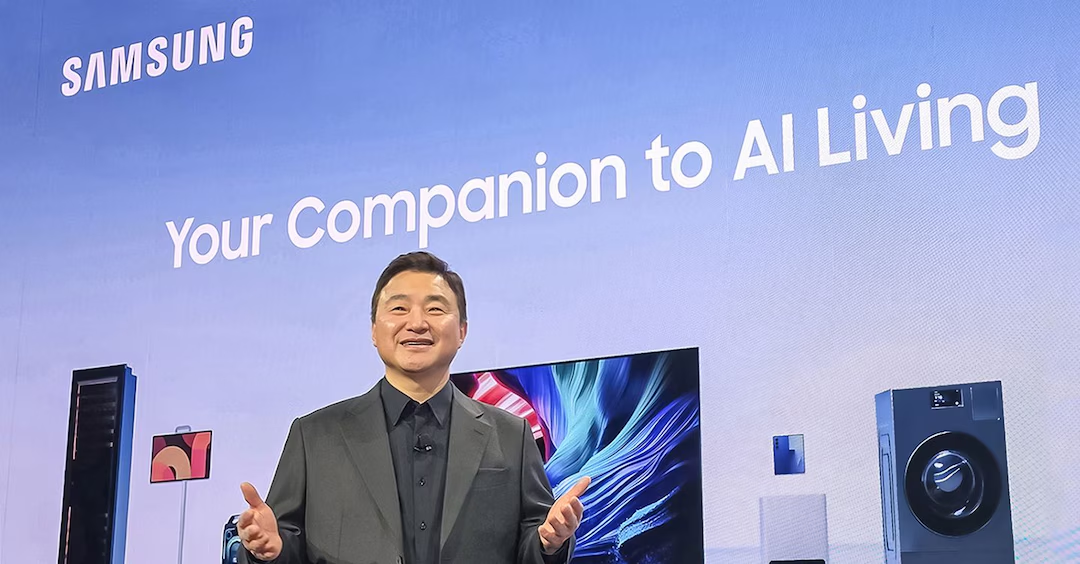

In a decisive leap for artificial intelligence in consumer tech, Samsung Electronics has unveiled plans to double the number of its mobile devices equipped with advanced AI features to around 800 million units in 2026. The announcement marks a bold expansion of the company’s Galaxy AI initiative and reflects a tightening global contest between technology giants, as reported by Investing.com.
At the centre of Samsung’s new push is a deepening partnership with Google. By powering the AI functionality across its smartphones and tablets with Google’s Gemini AI system, Samsung is placing itself at the forefront of the industry’s shift towards intelligent mobile devices that can handle search, image editing, translation and more.
This strategic move follows the company’s rollout of Gemini-based features to about 400 million devices by the end of 2025. With the new target, almost every Samsung Galaxy smartphone and tablet sold this year could be AI-enhanced, giving users smarter tools and experiences than ever before.
Rising Stakes in the Artificial Intelligence Race
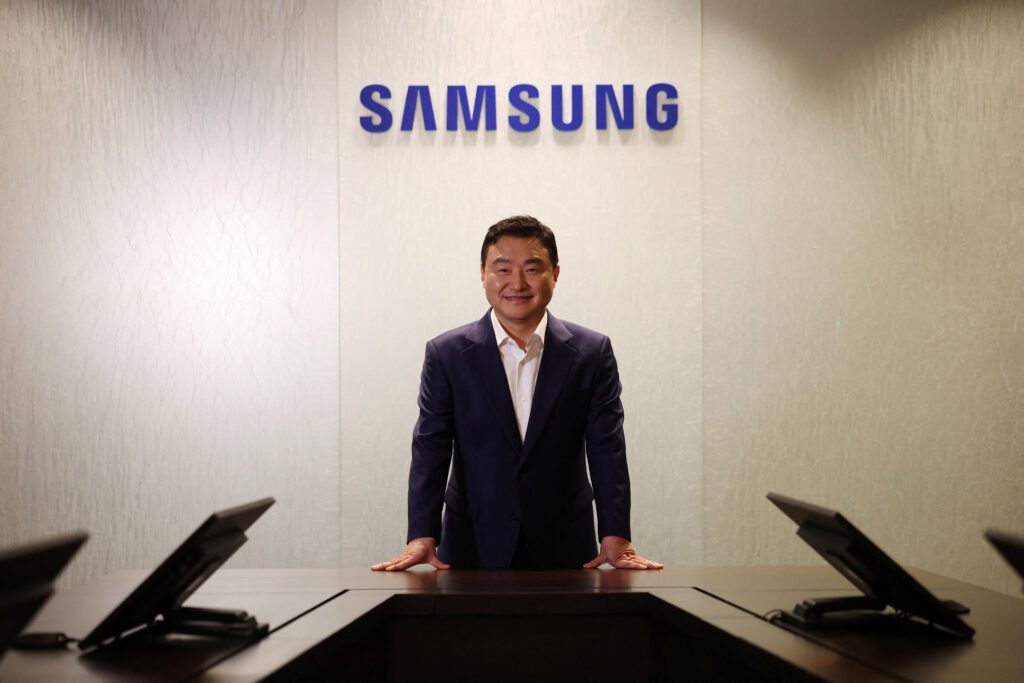
Samsung Co-Chief Executive Officer T M Roh described the AI expansion as central to the company’s future direction. In his first interview since taking on the role in November, Roh said Samsung will integrate AI into all products, every function and every service as fast as possible. The message was clear: Samsung aims to be a major force in the ongoing AI battle among global technology leaders.
This expansion does more than enhance Samsung’s product lineup. It boosts Google’s position in its rivalry with other AI innovators such as OpenAI, which recently accelerated its own AI development. Under the agreement with Samsung, Google’s Gemini powers the core smart features on Galaxy devices, helping the world’s largest Android supporter attract more everyday users to its AI ecosystem.
Smartphones increasingly depend on AI for functions that go beyond basic connectivity. Tasks like summarising text, editing photos, interpreting languages and generating content are becoming expected capabilities among modern consumers. Samsung’s rapid rollout of these features could tip the balance in its favour, especially compared with rivals that are slower to integrate such technologies.
Apple, long a leader in global smartphone sales, is one of the key competitors Samsung is targeting. Although Apple was the top smartphone maker in 2025 according to market researchers, Samsung believes that a strong AI offering could help it reclaim market share and soften competitive pressure from Chinese brands in phones, televisions and home appliances.
Technology and Market Trends
Galaxy AI includes a wide range of tools that touch daily smartphone interactions. Many users already rely on generative AI for editing images and enhancing productivity. Others use real-time translation to communicate across languages or summarise long text messages or articles in seconds. Samsung’s internal research suggests awareness of Galaxy AI has jumped sharply, pointing to strong consumer interest.
Integrating Google’s latest AI model into Samsung’s devices is also a strategic advantage. Google updated its Gemini AI in late 2025 to improve performance across industry benchmarks, and Samsung’s adoption ensures cutting-edge capabilities are available to millions of users worldwide.
Samsung’s long-term ambition stretches even beyond mobile phones. The company is exploring ways to extend AI into televisions, smart homes and wearable tech. Some industry analysts believe that embedding AI into everyday home appliances could be the next big frontier for tech companies seeking deeper user engagement. While Samsung has not yet released detailed plans in this area, its broader AI strategy sets the stage for future innovations.
Challenges and Industry Pressures
Samsung’s push comes amid a challenging backdrop for the global tech sector. The ongoing shortage of memory chips has squeezed margins for devices like smartphones and televisions, despite being a boon for Samsung’s semiconductor division. Roh acknowledged that memory cost pressures are affecting manufacturers globally, and hinted that prices for some products might rise as a result.
This shortage, driven in part by demand for chips in AI data centres and broader electronics, is predicted by market analysts to slow growth in smartphone sales or even cause a contraction in 2026, especially as prices rise and consumers reconsider upgrades. In this environment, delivering compelling new features like AI could be critical for keeping customers engaged.
Another challenge lies in Samsung’s foldable phone segment. Although Samsung pioneered foldable smartphones and still holds a large share of that market, growth has been slower than expected. Factors such as engineering complexity and limited use cases for foldable designs have restrained broader adoption. Samsung is optimistic that foldable phones will become mainstream in the next few years, but for now, the segment remains a niche within the larger market.
Samsung also faces intensifying competition from Chinese manufacturers such as Huawei, whose devices have gained popularity across Africa and Asia with competitive pricing and solid performance. Add Apple’s anticipated entry into the foldable market in 2026, and Samsung’s leadership position in certain segments could be tested.
What This Means for Consumers
For users in Nigeria and across Africa, the Samsung-Google AI alliance could signal the arrival of smarter, more personalised mobile experiences. As AI becomes more integrated into everyday smartphone functions, users will benefit from tools that can translate languages on the go, enhance photos instantly, summarise text and provide richer search experiences without typing lengthy queries.
At the same time, consumers should watch pricing closely. If component costs do continue to push prices upward, the gap between emerging market affordability and premium AI features could widen. However, industry observers believe that as AI technologies mature and become more widespread, economies of scale could eventually bring costs down for mass adoption.
Looking Ahead
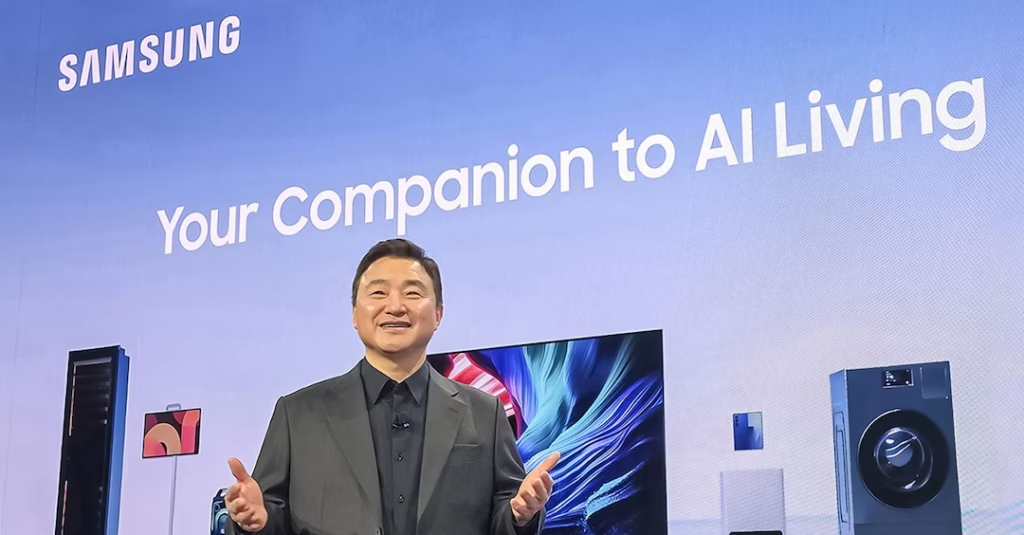
Samsung’s plan to double AI-enabled devices to 800 million sets a new benchmark for the integration of artificial intelligence in everyday technology. It underscores both the strategic importance of AI in the global tech landscape and the expanding role of cooperation between major players like Samsung and Google.
As the competition for consumer loyalty intensifies, the ripple effects of this AI expansion will be watched closely by rivals, investors and everyday users alike. The success or failure of this initiative could well shape the next decade of mobile technology, especially in markets where smartphone use continues to grow rapidly.
Samsung’s ambitious target is not without risks, but it is also a clear statement about where the future of mobile technology is headed: intelligent, connected devices that understand and assist users in ways that were once the stuff of science fiction.
If executed well, this strategy may redefine how users interact with their devices and how technology companies compete for dominance in the digital age.
Join Our Social Media Channels:
WhatsApp: NaijaEyes
Facebook: NaijaEyes
Twitter: NaijaEyes
Instagram: NaijaEyes
TikTok: NaijaEyes