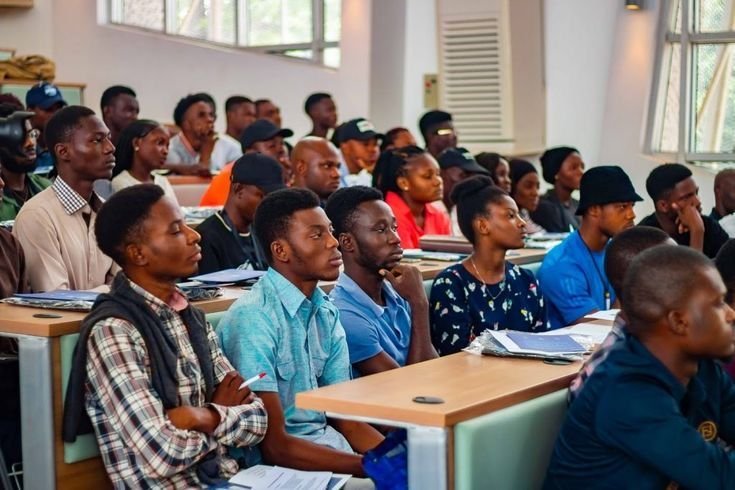
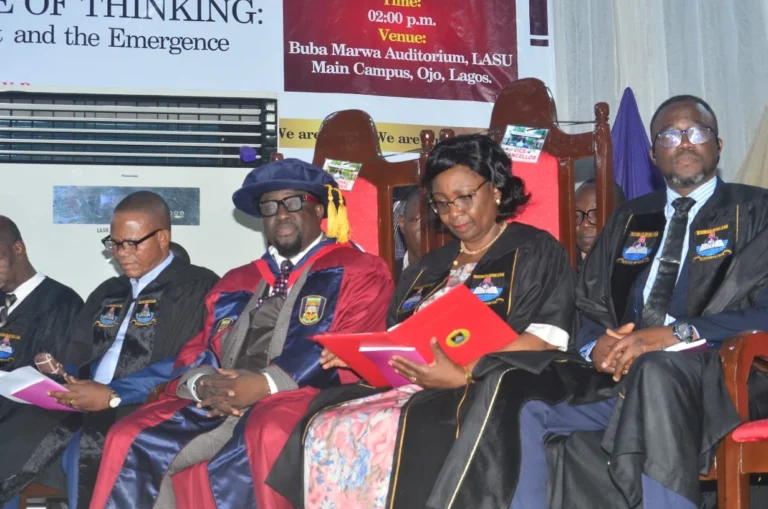
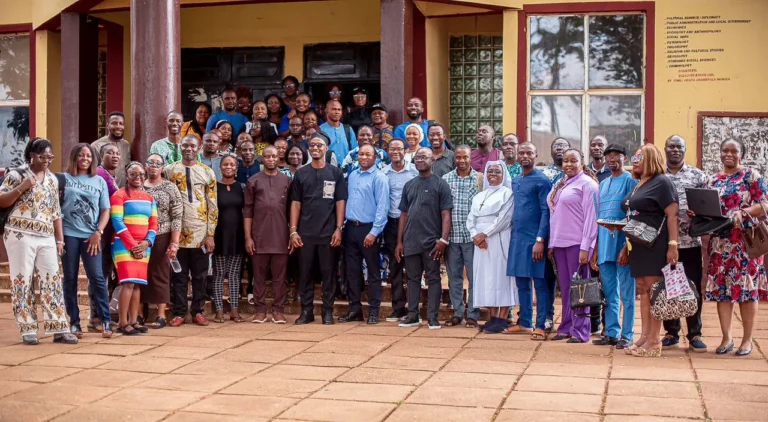
In a moment of pride for many Nigerians, the latest global assessment of English language abilities has placed Nigeria as the fifth-best English-speaking country in Africa and 29th in the world. The ranking comes from the 2025 Education First English Proficiency Index, a respected international yardstick that measures how adults communicate in English across countries and regions. This development highlights the continuing significance of English as a tool for national dialogue, education, and global engagement.
The EF English Proficiency Index is built on the results of over 2.2 million adults tested across 123 countries and regions. For the first time, the 2025 edition included measures of speaking and writing skills thanks to new artificial intelligence technology. This broadened the scope of evaluation beyond traditional reading and listening tests.
Nigeria’s placement at number 29 globally reflects a strong showing in the English language, which remains the country’s official language and primary means of formal communication. It is widely used in schools, government, business, and media, giving Nigerians a competitive voice and strong presence in international conversations.

How Nigeria Compares With Other African Nations
In the African context, Nigeria performed impressively, sitting behind South Africa, Zimbabwe, Kenya, and Zambia in the English proficiency standings. Among these, South Africa leads the continent with a global rank of 13, closely matched by Zimbabwe, which also holds the 13th position worldwide. Kenya and Zambia followed at positions 19 and 27, respectively. Nigeria’s spot at fifth place in Africa signifies its continued commitment to English-language education and communication, even amid diverse linguistic realities at home.
English plays a defining role in Nigeria’s national life. As the official language adopted at independence and maintained across successive administrations, it serves as a unifying thread in a country with over 500 indigenous languages spoken across different regions. In education, English is predominantly the medium of instruction from primary through tertiary levels, contributing to its widespread usage among younger generations and professionals.
The practice of using English in legal, administrative, and commercial settings also reinforces daily interaction with the language. Beyond official functions, English is visible in Nigeria’s vibrant entertainment and media sectors, ranging from newspapers and radio to Nollywood productions that reach audiences across the continent and beyond.

The Global Context and What It Means
The EF index is considered one of the most comprehensive evaluations of English proficiency in the world, largely because of its broad sample size and rigorous methodology. This year’s report not only reiterated the importance of English for global communication but also highlighted the language’s role in education, economic participation, and cultural exchange.
Globally, countries in Europe, such as the Netherlands and Scandinavian nations, often occupy the top spots in non-native English proficiency rankings. African entries like South Africa and Zimbabwe demonstrate that the continent is home to high-calibre English communication skills, even as many nations continue to cultivate multilingual literacy among their populations.
For Nigeria, the ranking offers both validation and encouragement. It confirms that Nigerian graduates, professionals, and everyday English users are making meaningful contributions to global conversations. At the same time, it highlights opportunities to build on existing language education frameworks and encourage even stronger performance in future assessments.
What This Means for Nigerians and the Future
The news of Nigeria’s solid placing can resonate widely across society. For students, it is an affirmation of years spent mastering English in classrooms and examinations. For educators and policymakers, it underscores the importance of continuous investment in language education and teacher development. For businesses, it emphasises the country’s capability to interact confidently with international partners and multicultural markets.
As the world becomes increasingly interconnected, strong English skills remain an advantage in fields such as technology, diplomacy, and global commerce. Nigeria’s proficiency ranking creates a platform for citizens to leverage language as an asset, whether in securing opportunities abroad or enhancing local conversations in a world where English continues to shape global discourse.
Looking ahead, the challenge will be to sustain and improve upon this performance. Deeper focus on writing and speaking skills, investment in education infrastructure, and inclusive learning strategies that embrace Nigeria’s linguistic diversity can help broaden access and strengthen overall proficiency.
The 2025 ranking of English proficiency thus celebrates Nigeria’s current standing while inspiring greater efforts in language development. For a nation with unmistakable complexity, this achievement reminds us that language remains a powerful bridge between communities, cultures, and opportunities in a rapidly changing world.
Join Our Social Media Channels:
WhatsApp: NaijaEyes
Facebook: NaijaEyes
Twitter: NaijaEyes
Instagram: NaijaEyes
TikTok: NaijaEyes
READ THE LATEST EDUCATION NEWS