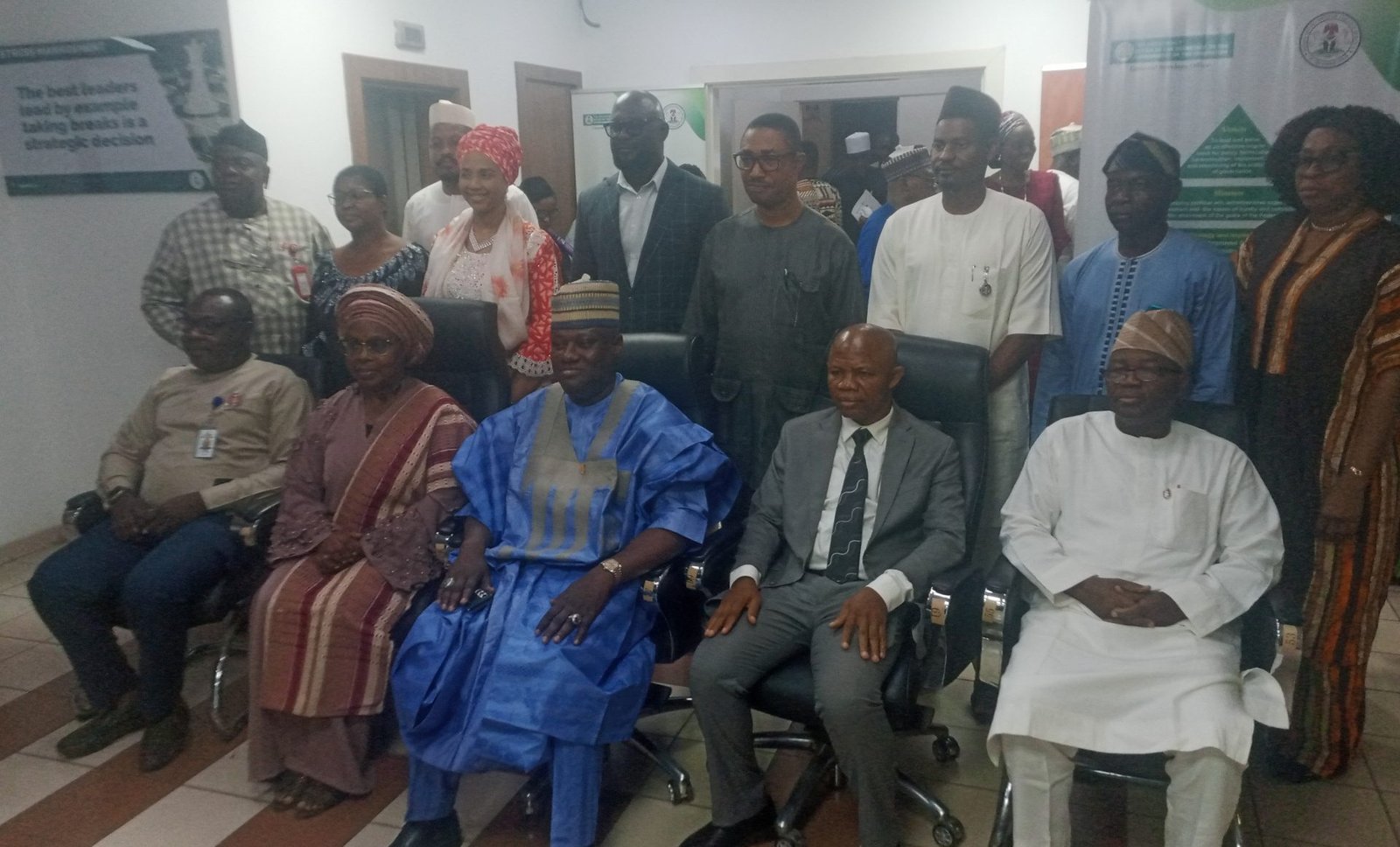

In a landmark move aimed at closing Nigeria’s widening digital divide, the Federal Government has formally inaugurated a high-level committee to guide the training and certification of one million Nigerians in digital literacy and emerging technology skills. The launch, which took place in Abuja, signals a renewed drive to prepare the nation’s young population for the demands of the evolving digital economy.
This programme forms part of broader national plans to boost workforce readiness, drive economic growth and ensure that Nigeria meets its target of 95 per cent digital literacy by 2030 as outlined in key national development frameworks.
Setting the Stage for Digital Transformation
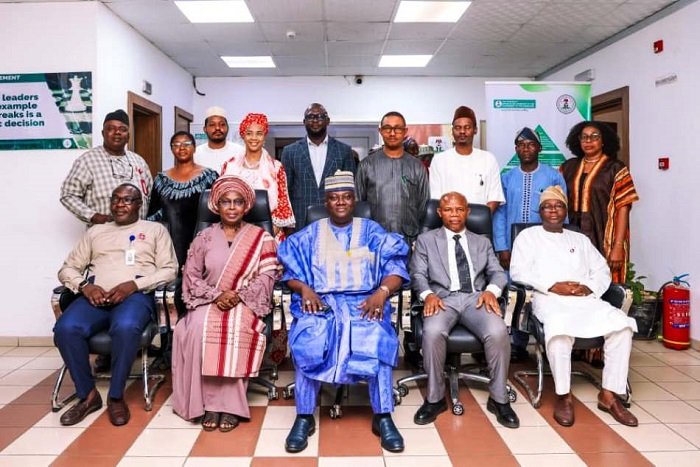
The unveiling of the Joint Implementation Committee marks a deliberate shift by the government towards harnessing human capital as a core foundation of national development. Chaired by senior government officials and supported by representatives from ministries, agencies, and civil society organisations, the committee’s mandate is far-reaching.
At the inauguration ceremony, Senator George Akume, Secretary to the Government of the Federation, spoke passionately about the significance of the initiative. He described the launch as a major milestone in the federal drive to deepen digital literacy and ensure inclusive participation in the digital economy. According to him, the programme aligns seamlessly with the Renewed Hope Agenda, the National Digital Economy Policy and Strategy, and the broader Digital Transformation Agenda championed by President Bola Tinubu’s administration.
Held in Abuja, the event brought together stakeholders from the public and private sectors, emphasising a collaborative approach to tackling one of Nigeria’s most pressing social and economic challenges: youth unemployment and skills mismatch in a technology-driven world.
Mandate and Structure of the Committee
The committee’s core responsibilities span strategic planning, oversight and execution of the digital skills programme nationwide. One of its earliest key tasks is to organise the National Digital Literacy Conference, a forum designed to bring government, educators, the private sector and development partners together around a shared vision for digital capacity building in Nigeria.
Alongside this national conference, the committee will champion inclusive training delivery with special attention to women, youths, underserved communities and persons living with disabilities. Its terms of reference include:
- Providing strategic oversight for the rollout of the digital skills training and certification.
- Ensuring alignment of the programme with national policies and presidential directives.
- Coordinating stakeholders across all levels of government and civil society.
- Planning logistical aspects of training implementation, monitoring and evaluation.
Members of the committee are drawn from key federal ministries including Communications, Innovation and Digital Economy, Education, Youth Development, Information and National Orientation, as well as the National Information Technology Development Agency (NITDA), Tertiary Education Trust Fund (TETFund) and various non-governmental organisations. This cross-sector representation is intended to ensure that the programme is responsive to Nigeria’s unique socio-economic landscape and capable of impact at scale.
Private Funding and Sustainable Implementation
Perhaps most noteworthy is how the programme will be financed and executed. While the federal government provides policy support and institutional coordination, the funding and implementation responsibilities rest solely with Clergywealth Multi-purpose Cooperative Society Limited. This partnership model reflects an emerging trend in public-private collaboration, where civil society and non-state actors play a central role in delivering national development outcomes.
Clergywealth’s involvement goes beyond mere sponsorship. According to stakeholders, the organisation will contribute to planning, stakeholder engagement, logistical support and documentation of best practices. These measures are expected to foster sustainability and the potential to scale the programme beyond its initial target of one million beneficiaries.
Commenting on the partnership, representatives from Clergywealth highlighted the broad objectives of their engagement. These include not just digital skills training, but broader community development initiatives that encompass economic inclusion, microcredit access, and support mechanisms for trainees beyond classroom or workshop learning.
What This Means for Nigeria’s Youth
For many young Nigerians, digital skills are no longer optional. They are essential tools for economic participation, global competitiveness and personal empowerment. With the global economy rapidly shifting towards technology-driven work, from software development to remote freelancing and digital entrepreneurship, the capacity to read, interpret and create using digital tools has become as vital as traditional literacy.
This programme’s emphasis on equipping youths with practical digital competencies represents a promising step in a broader national effort to tackle unemployment and leapfrog traditional barriers to job creation. By offering structured training and internationally recognised certification, the initiative aims to expand opportunities for Nigerian youths both within the country and on the global stage.
Importantly, the strategic inclusion of women, marginalised communities, and persons with disabilities showcases a commitment to equity. In a nation where access to technology often varies sharply by geography and socio-economic status, this focus on inclusion could help bridge divides and ensure that the benefits of digital transformation are shared widely.
Looking Forward: Challenges and Opportunities
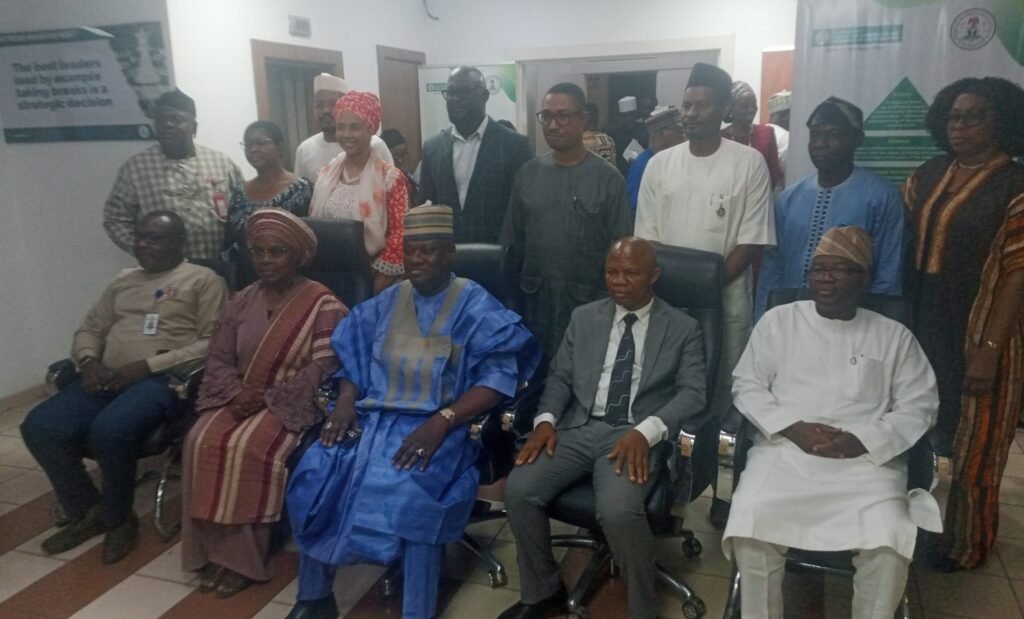
While the inauguration of the committee has been widely welcomed, the path ahead will require ongoing commitment, robust evaluation and adaptive strategies. Key success factors will include the quality of training delivered, the availability of digital infrastructure across urban and rural Nigeria, and the strength of linkages between training outcomes and actual opportunities in the labour market.
Nigeria has seen various digital empowerment efforts in recent years, including partnerships aimed at integrating digital skills into youth programmes and efforts to expand digital literacy nationwide. The new committee’s work will build on these foundations and seek to coordinate diverse efforts into a unified national programme with measurable impact.
Participants and observers alike will be watching closely as the committee moves from planning to implementation, with hopes that this initiative will not only upskill one million Nigerians but also serve as a catalyst for long-term digital inclusion and economic growth.
The launch of the Nigerian digital skills committee is a hopeful moment for a country with one of the youngest populations in the world. With clear policy backing, inclusive strategies and strategic partnerships, the programme has the potential to transform the way young Nigerians learn, work and participate in the digital economy.
Join Our Social Media Channels:
WhatsApp: NaijaEyes
Facebook: NaijaEyes
Twitter: NaijaEyes
Instagram: NaijaEyes
TikTok: NaijaEyes