In the world of global investing, the headlines in 2026 are revealing a clear trend. Institutional and individual investors are now directing more of their capital toward energy providers and infrastructure firms instead of traditional big technology companies. This shift is driven by growing concern over the long-term returns from artificial intelligence-related stocks and the massive energy demands that come with supporting the AI revolution. According to a report by Reuters, the new investment sentiment emerged from a major survey conducted by BlackRock, the world’s largest asset manager, indicating that energy infrastructure now tops many portfolios as a preferred investment choice going into the year.
BlackRock’s Investment Directions report surveyed 732 clients across Europe, the Middle East, and Africa. Only about one in five respondents now see the biggest US tech names as the most attractive options for capitalising on AI growth prospects. In contrast, more than half of those surveyed said they preferred companies that supply the electricity and power infrastructure necessary to run data centres and fuel AI operations. An additional 37 per cent favoured broader infrastructure plays. These findings suggest a strategic rebalancing of portfolios away from mega-cap technology stocks toward sectors seen as underpinning the digital economy.

Returns Under Scrutiny as AI Infrastructure Costs Rise
Big technology companies like Microsoft, Meta Platforms, and Alphabet dominated the market in 2025. Their AI-related products and services delivered significant returns to investors. However, there is growing unease among investors about the sustainability of these gains in the face of rising capital expenditure. AI expansion requires massive investment in data centres around the world and this comes with higher borrowing costs and more complex financial risk. Those concerns are causing investors to ask tough questions about whether the current levels of spending will translate into stronger returns over the long term.
Energy providers naturally benefit from this shift in focus. Their established role in delivering reliable power makes them crucial partners in the deployment and scaling of data centre infrastructure. Some listed energy companies now find themselves at the centre of the AI story because of the rising demand for electricity and grid upgrades that the new wave of digital investment requires. This has helped to lift their appeal among income-focused investors, especially where dividends and stable cash flows are involved.

The Bigger Picture on AI, Energy and Risk Management
Despite the pivot toward energy and infrastructure investments, most investors still believe in the long-term power of artificial intelligence. In the BlackRock survey, only 7 per cent of respondents felt that the AI theme was a market bubble. Confidence in the underlying technology and its economic potential remains strong, even as the investment landscape evolves with caution.
However, the need to balance risk has become front and centre in portfolio strategy. Large-cap tech firms have been under pressure as they take on heavy debt and capital outlays to build more data centres. This has made fund managers and institutional investors more cautious about overexposure to these stocks, especially when more predictable income opportunities are available elsewhere. Many are now choosing to diversify by adding energy providers, utilities and infrastructure businesses that may not deliver explosive growth like a fast-rising tech stock but offer steady returns and a cushion against market volatility.
This broader conversation about where to put capital reflects an evolving understanding of the risks and rewards in the AI-driven market. Sector leaders in traditional technology are no longer the only game in town. Energy providers, utilities, and infrastructure firms are gaining fresh attention as investors look to align their portfolios with both economic shifts and global power demands.
What This Means for Global Markets, Including Nigeria
The trend documented by BlackRock has implications far beyond the immediate markets of the United States and Europe. Countries in Africa, including Nigeria, are watching global capital flows closely as they seek to attract investment in energy infrastructure. Nigeria faces ongoing challenges in its power sector and the broader energy transition. Bridging the gap between energy production and the demand from digital transformation initiatives, foreign direct investment, and industrial growth will be key to sustainable economic development.
Although renewable energy enjoys support in many development plans, fossil fuel power plants and traditional grid infrastructure continue to attract significant investment because they are seen as more reliable in the short term. Globally, institutional investors have historically devoted a much smaller portion of capital to renewables projects compared to conventional energy sources, even as the cost of wind and solar continues to fall and their adoption grows.
Africa’s renewable energy market continues to struggle to attract its fair share of capital, partly because of structural investment barriers and the perceived risks of financing large-scale clean energy installations. Despite the lower cost of producing electricity with solar and wind in many parts of the continent, the financing environment remains challenging. The shift by big global asset managers like BlackRock toward energy providers and infrastructure does open opportunities for capital to flow into projects that strengthen grids, expand capacity and integrate modern energy solutions across the region.
In Nigeria, that could mean increased interest in improving transmission and distribution networks, expanding gas-fired generation capacity, and carefully scaling renewable energy projects that can provide stable power to homes and businesses. Investors are now more attuned to opportunities that combine reliable returns with essential services that fuel economic growth. As the world tilts toward the electrification of industries and digital transformation, energy markets that serve these needs are likely to remain high on investor radars.
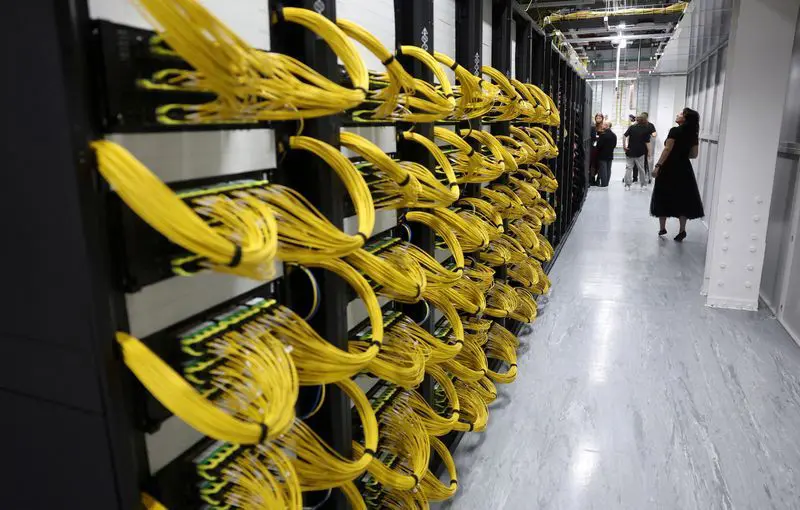
The investment story heading into 2026 is one of adaptation, risk management and seeking reliable income streams in a world where technology remains vital but the underlying infrastructure that powers it is increasingly critical. Energy providers and infrastructure companies have emerged from the shadows of big tech giants to take their place at the forefront of strategic investment thinking. Investors in Nigeria and beyond will be watching closely to see how this trend develops and where capital flows next.
Join Our Social Media Channels:
WhatsApp: NaijaEyes
Facebook: NaijaEyes
Twitter: NaijaEyes
Instagram: NaijaEyes
TikTok: NaijaEyes