
In Katsina State, a significant disruption has hit the education sector as six state-owned higher institutions began a two-week warning strike at midnight on Monday, 12 January 2026. This action, aimed at drawing urgent attention to longstanding demands from staff, follows a breakdown in negotiations with the Katsina State Government. Staff members within the affected schools say repeated engagements with the authorities yielded insufficient progress on key issues, leaving them with no choice but to withdraw their services in a bid to protect the institutions from collapse and safeguard their welfare.
The strike was declared following an emergency meeting of the Joint Consultative Forum (JCF) of Tertiary Institutions owned by the state. The forum represents a coalition of staff unions, both academic and non-academic, across the six institutions. In a joint statement signed by the chairmen and secretaries of the 12 unions involved, the unions explained that the government’s refusal to implement earlier agreements forced their hand. Members were notified that the industrial action would last for 14 days with a view to compelling the government to take urgent remedial steps.
Staff Grievances Highlight Pay and Policy Failures
Among the core issues driving the strike is the non-approval and non-implementation of agreed salary increments. The unions had been pressing for 35 per cent and 25 per cent pay rises for staff, a move they argued was long overdue and central to improving morale and retention. However, despite repeated representations, the state government has not taken concrete action to fulfil these commitments.
Another point of contention is the delay in placing staff within the appropriate Consolidated Tertiary Institutions Salary Structure (CONTISS 15) following a non-migrated status. Staff feel this delay has unfairly impacted their remuneration and career progression. Alongside salary concerns, the unions also raised objections to what they described as an unsympathetic hike in students’ registration fees. The forum argued that the increase did not take into account the severe economic hardship facing many families and had already begun to affect student enrolment negatively.
Muhammad Nasir-Gidado, who chairs the JCF and also leads the Hassan Usman Katsina Polytechnic chapter of the Academic Staff Union of Polytechnics, emphasised that the strike was a last resort after the December ultimatum expired without a meaningful government response. He appealed to parents, students and the public for understanding, stressing the gravity of the situation and its implications for education in the state.

Impact on Students and Public Confidence
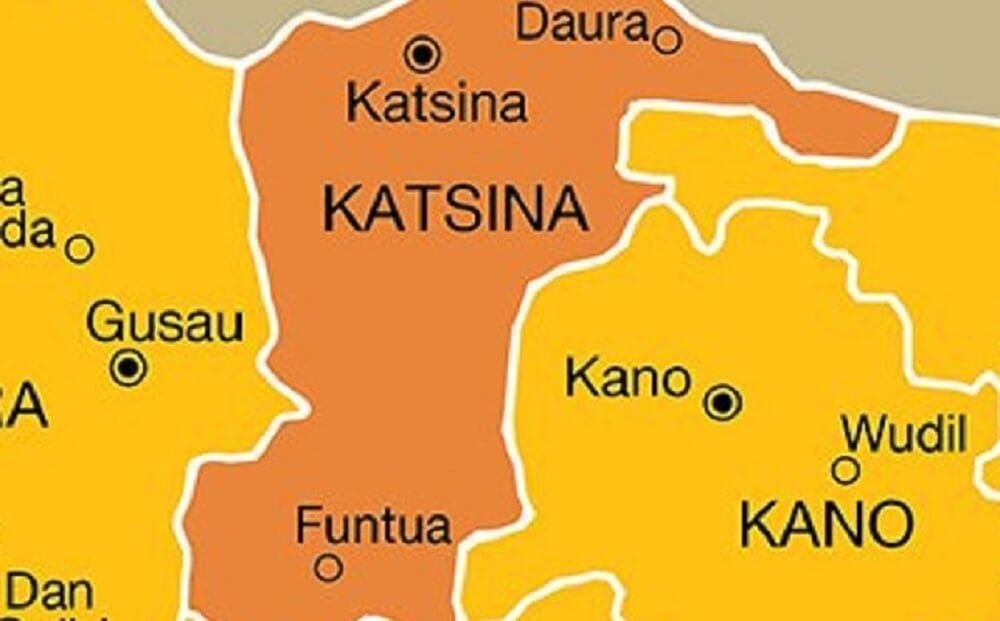
The institutions affected by the strike include Hassan Usman Katsina Polytechnic in Katsina, Isa Kaita College of Education in Dutsinma, and Yusuf Bala Usman College of Education and Legal Studies in Daura. It also affects the College of Nursing Sciences at both the Katsina and Malumfashi campuses, the College of Health Sciences and Technology at the Daura and Kankia campuses, and the Katsina State Institute of Technology and Management in Katsina.
For students at these institutions, the walkout has disrupted academic activities, leaving many uncertain about how the next fortnight will unfold. While the strike is officially classified as a warning action, it is not without consequences for learners whose academic calendar is already coming under strain from other disruptions that have previously plagued the nation’s education system. Parents expressed varying views, with some urging government action and others calling on unions to temper their approach to avoid further setbacks for students.
The public reaction has also been mixed. Some community members sympathise with the striking workers’ quest for fair treatment, while others worry about the ripple effects of prolonged disengagement from duty, particularly as many students juggle academic work with personal responsibilities. Educators and policy watchers have weighed in on the broader issues affecting education funding and staff welfare across Nigeria, noting that the situation in Katsina reflects a larger national trend of rising frustration among academic and non-academic workers.
Government Yet to Respond as Negotiations Remain Tense
As of the latest updates, the Katsina State Government has not issued an official response to the strike. Officials have remained quiet despite repeated requests for comment at the time of reporting. This silence has, in part, fuelled frustration among staff who had hoped for at least interim measures to address some of their concerns before the strike commenced.
Observers say the next 14 days will be critical. If the government and unions fail to reach common ground, there are concerns that the warning strike could evolve into a longer and more disruptive action. Stakeholders on both sides are being urged to prioritise dialogue and to find quick, practical solutions to the issues laid out by staff. In a climate where education remains a cornerstone of both economic growth and social development, prolonged disturbances in the sector risk undermining confidence and progress.
As the state braces for the remainder of the strike period, parents, students and education observers are watching closely for any breakthrough that could avert further disruption. The outcome of this confrontation may also serve as a bellwether for how similar disputes are managed in other states, making the resolution process in Katsina a matter of national interest.
Looking Ahead: What Comes Next for Tertiary Education in Katsina
The warning strike has drawn attention to systemic challenges within Nigeria’s tertiary education landscape. High on the list are funding shortfalls, staff welfare concerns and policy implementation weaknesses. Experts argue that state governments should adopt more proactive engagement with academic unions and put in place mechanisms for the timely review and implementation of salary structures and working conditions.
There is also a call for broader stakeholder involvement, including parents, student unions and civil society groups, in discussions about the future of higher education in Katsina State. Such inclusive dialogue, proponents say, could help build sustainable solutions that address immediate grievances while fostering a shared vision for the sector’s long-term development.
For now, the entire state waits to see whether this warning strike will prompt a tangible response from the government and lead to improvements that both staff and students can embrace. The coming days will be pivotal in shaping the trajectory of tertiary education in Katsina State.
Join Our Social Media Channels:
WhatsApp: NaijaEyes
Facebook: NaijaEyes
Twitter: NaijaEyes
Instagram: NaijaEyes
TikTok: NaijaEyes