
The global technology world is deep in what many industry watchers now call an AI gold rush, a boom driven by soaring demand for artificial intelligence and the specialised components that power it. This frenzy is not just reshaping data centres and developer shops overseas but is already hitting everyday consumers at home in Africa, Asia, Europe and here in Nigeria, according to a report by Reuters.
At the heart of this shift is a once routine part of our devices: the memory chip. These tiny pieces of hardware, hidden inside smartphones, laptops, gaming rigs and even smart TVs, are suddenly prized far beyond their usual role because of the AI gold rush. The reason is simple: the newest AI systems, particularly generative AI and large scale models running in massive data centres, demand huge amounts of what is called high bandwidth memory or HBM. This kind of memory moves data faster and in larger volumes, which is exactly what AI engines crave.
But the rush for HBM and other AI ready chips has created a squeeze. Memory makers have shifted production towards these lucrative parts, leaving fewer supplies for regular consumer electronics. The result is higher prices and tougher availability for everyday devices, a direct consequence of the AI gold rush that is now rippling across global supply chains.
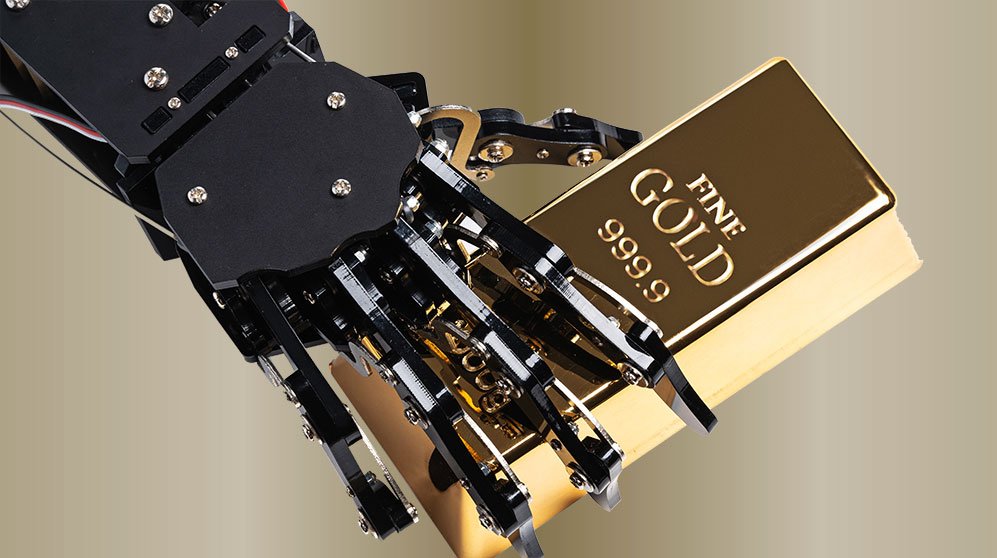
Strained supplies and rising gadget prices from the AI gold rush
Walk into any tech market in Lagos or Abuja and you will feel the effects of this global crunch. Popular gaming laptops and mid range smartphones now cost more than they did a year ago. In parts of Asia and Europe, electronics retailers have begun to ration memory products or impose limits on purchases to manage limited inventories created by the AI gold rush.
South Korean and Chinese chipmakers alike have said that their 2026 stock of high bandwidth memory is already sold out. Manufacturers are prioritising AI grade memory to meet agreements with powerful tech firms because it brings higher profits and ongoing long term contracts. Smaller gadget makers and ordinary consumers are now left waiting for what remains, as the AI gold rush continues to dictate production priorities.
Industry analysts say this shortage is not a short blip but a structural shift. Building new factories that can produce conventional memory at scale takes billions of dollars and several years to complete. Most of the expected new capacity for general memory production will not come online until 2027 or 2028, meaning the imbalance caused by the AI gold rush may last longer than many buyers expect.

Venture capital bets big as AI gold rush reshapes investment
It is not just the supply of physical chips that tells the story. Money is pouring into artificial intelligence at record rates as the AI gold rush fuels intense competition among investors. In 2025, venture capital investment in AI sectors soared to unprecedented levels as funds flowed into large model developers, cloud infrastructure and AI native platforms.
For context, the size of AI related funding today is far larger than during the 2021 technology boom. Back then, the market was driven by a broad range of tech startups. In contrast, today’s capital flows are tightly concentrated on artificial intelligence, a trend powered almost entirely by the AI gold rush. This concentration has left non AI tech ventures struggling for attention and funding.
For Nigerian entrepreneurs and tech firms, this environment presents both opportunity and pressure. While global interest in AI innovation is strong, competition for scarce capital and infrastructure has intensified. Companies that want to benefit from the AI gold rush must focus on practical applications such as local language tools, fintech automation and education technology tailored to African markets.
What consumers should expect next as AI gold rush continues
For most people, the impact will show up in everyday tech decisions. Devices rich in memory and AI capability will be more expensive and sometimes harder to find. Many smartphone makers have already hinted that cost increases could trickle down to customers as the AI gold rush keeps memory prices elevated.
Market research firms now expect some contraction in global sales of budget smartphones and personal computers if memory costs remain high. Consumers may be forced to choose between affordability and performance, paying more for devices designed to handle modern AI features.
There are signs of relief ahead, but they are distant. New memory factories are being built, yet large scale production takes time. Until supply catches up, the AI gold rush will continue to influence what gadgets cost and how easily they can be bought. In Nigeria and across the world, this global race for AI dominance is quietly reshaping the electronics market that people depend on every day.
Join Our Social Media Channels:
WhatsApp: NaijaEyes
Facebook: NaijaEyes
Twitter: NaijaEyes
Instagram: NaijaEyes
TikTok: NaijaEyes