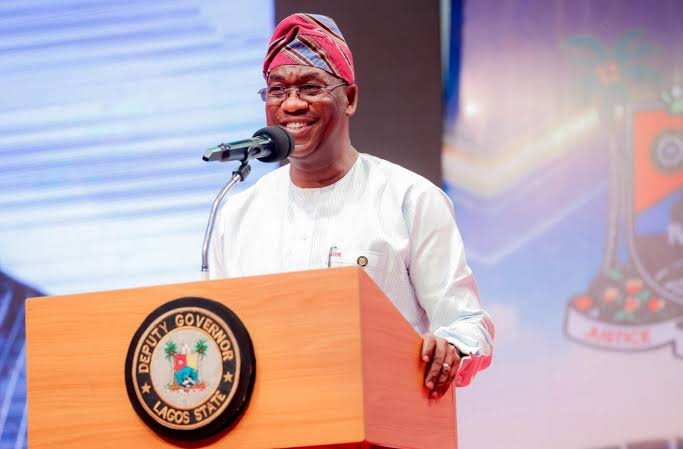
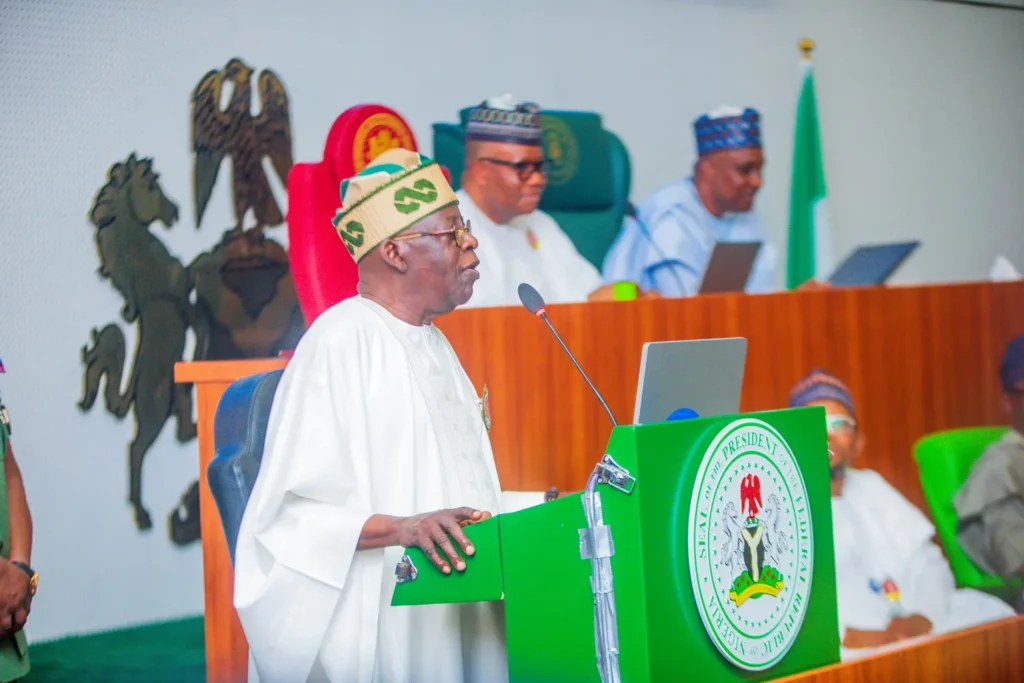
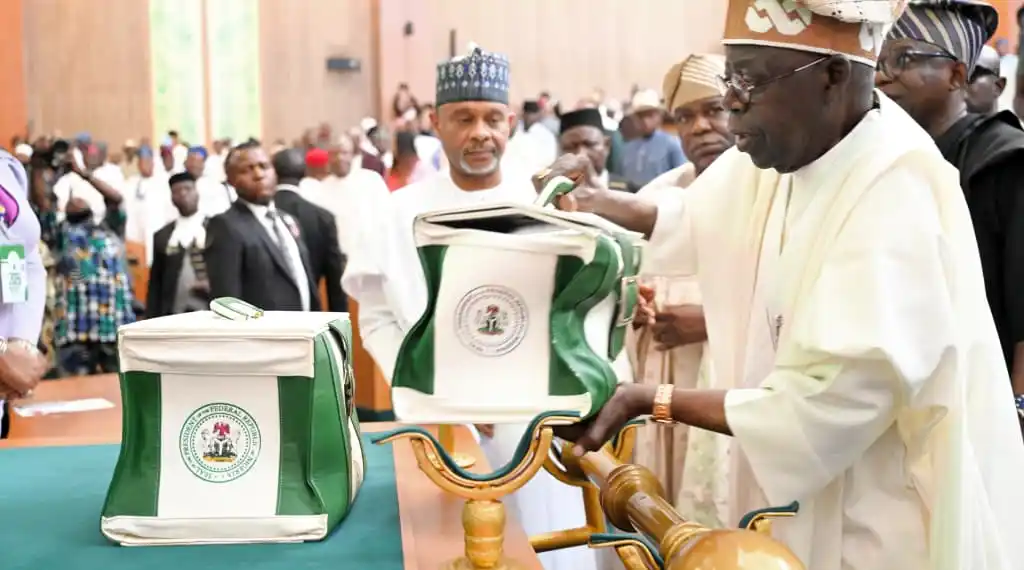
In a development that has captured the attention of education stakeholders across the country, the Federal Government has allocated a significant N113.764 billion in the 2026 national budget to support key programmes within the education sector. The announcement forms part of the broader N58.18 trillion appropriation bill presented to the National Assembly by President Bola Ahmed Tinubu late last year. The funding commitments aim to address persistent challenges in access to quality education and child welfare across Nigeria.
New Funding Targets Nutrition, Access and Academic Support
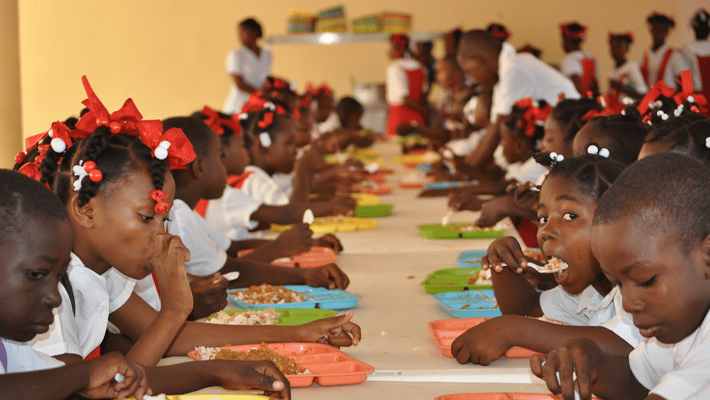
The centrepiece of the education allocation is the school feeding programme, with N42 billion set aside to provide meals for primary school pupils. This builds on the National Home-Grown School Feeding Programme’s objective of reducing hunger and encouraging regular school attendance, a plan that previously aimed at reaching millions of primary learners in 2026.
Beyond nourishing young minds in classrooms, the budget sets aside N35 billion for efforts to support out-of-school children. This funding is directed at reducing the number of Nigerian children who are deprived of basic formal education. Providing resources for such interventions is expected to enhance educational access, particularly in underserved communities where school attendance remains low.
Scholarships also feature prominently in the allocation package. A total of N1.4 billion has been earmarked for the servicing and verification of 8,337 beneficiaries under the Federal Government Scholarship Awards for cohorts stretching from 2019 to 2023. These awards target students enrolled in public tertiary institutions nationwide.
The budget also includes provisions for international scholarship programmes. Some N5.6 billion is allocated to cover allowances and health insurance for 1,532 Nigerian scholars studying under Bilateral Education Agreements in countries such as Russia, China, Cuba, and Turkey. In addition, N1.7 billion will be used to support 300 new scholarship opportunities and monitor academic progress abroad.
Strengthening Infrastructure and Child Welfare in Schools
Alongside direct education support, the budget places a strong emphasis on improving the learning environment in federal unity colleges. A total of N28 billion has been earmarked for security infrastructure in 118 unity colleges. This investment includes perimeter fencing and the installation of solar-powered electricity systems to enhance safety and ensure a reliable power supply for students and staff.
These measures meet long-standing calls from parents, teachers, and education advocates who have emphasised that safe, secure, and well-resourced learning spaces are essential for effective education delivery in Nigeria.
Education analysts say that while these allocations signal a positive direction, the real impact will depend on implementation. Earlier reports indicate concerns that funding for teacher salaries and other core aspects of educational quality in past budgets have fallen short of recommendations by global bodies such as UNESCO, which recommends that nations commit at least 15 to 20 per cent of public spending to education.
Debate and Expectations Around Implementation
Public discourse around the budget has already begun, with civil society organisations, policy experts and parents assessing the implications of the new allocations. Many see the expanded school feeding programme as a strategic tool not only to improve learning outcomes, but also to reduce malnutrition and support local agricultural value chains by sourcing food from smallholder farmers.
However, some critics argue that without robust monitoring frameworks and transparent disbursement strategies, the potential benefits may not reach intended recipients in full. Previous social investment programmes in Nigeria have faced challenges related to delays in delivery, inconsistencies in implementation, and limited community engagement. These concerns highlight the importance of strong institutional mechanisms to ensure that funds translate into real services in classrooms and communities.
Education experts also underscore the need for sustained funding for teacher development, learning materials, and school infrastructure beyond the headline figures. They contend that solutions to educational challenges must be holistic, integrating nutrition, infrastructure, quality teaching, and innovative learning approaches to truly uplift the sector.
Looking Ahead
As the National Assembly considers the budget proposal, stakeholders are watching closely to see how the priorities outlined by the executive will be shaped by legislative scrutiny. Many hope that the focus on school feeding and scholarships will mark a turning point in Nigeria’s education agenda and bring tangible improvements to the experiences of children and students across the country.
If implemented effectively, the 2026 budget’s education allocations could help reduce barriers to learning, strengthen human capital development, and contribute to Nigeria’s broader goals of social inclusion and economic growth.
Join Our Social Media Channels:
WhatsApp: NaijaEyes
Facebook: NaijaEyes
Twitter: NaijaEyes
Instagram: NaijaEyes
TikTok: NaijaEyes
READ THE LATEST EDUCATION NEWS