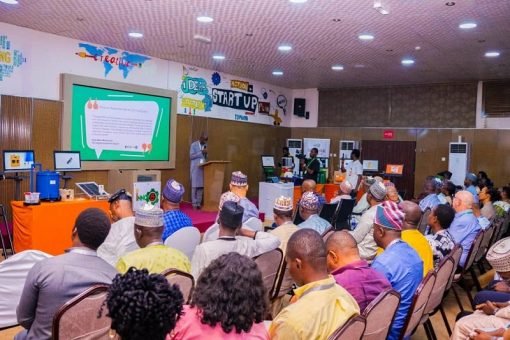
Nigeria’s public university system has, for far too long, been a theatre of uncertainty. Students, lecturers, parents, and education stakeholders have all experienced the disruptive rhythm of negotiations followed by strikes, repeatedly unsettling academic calendars and pushing back the dreams of millions of aspiring graduates. Recent developments, however, have reignited hope across campuses nationwide. A freshly renegotiated agreement between the Federal Government and the Academic Staff Union of Universities (ASUU), signed in January 202,6 seeks to break this recurring cycle of industrial action and chronic instability. But will it really end strikes once and for all, or will history repeat itself yet again?

A Legacy of Broken Promises and Interrupted Education
To understand why this latest deal is so significant, it is vital to look back at the histories of past agreements. The most famous of these began in 2009, when the Federal Government under late President Umaru Musa Yar’Adua inked a pact with ASUU intended to transform funding, staff welfare, research output, and the overall productivity of public universities. The promise was ambitious: improved infrastructure, competitive salaries, better retirement benefits, and more robust research funding.
Sadly, that agreement never lived up to its name. Successive administrations, from Goodluck Jonathan through Muhammadu Buhari, failed to implement critical components. Promised funds were only partly released, and long-term commitments went unfulfilled. In 2013, for example, a Memorandum of Understanding was signed, but only the first tranche of funds was released. The planned annual allocations that were to sustain revitalisation under the agreement never arrived as expected.
These failures triggered one industrial action after another, culminating in some of the longest shutdowns of public universities in Nigeria’s history, including a near-ten-month strike in 2020. Each time negotiations seemed close to a breakthrough, faith between both parties eroded and the cycle of disruption restarted.
What Is New in the 2025 FG-ASUU Agreement
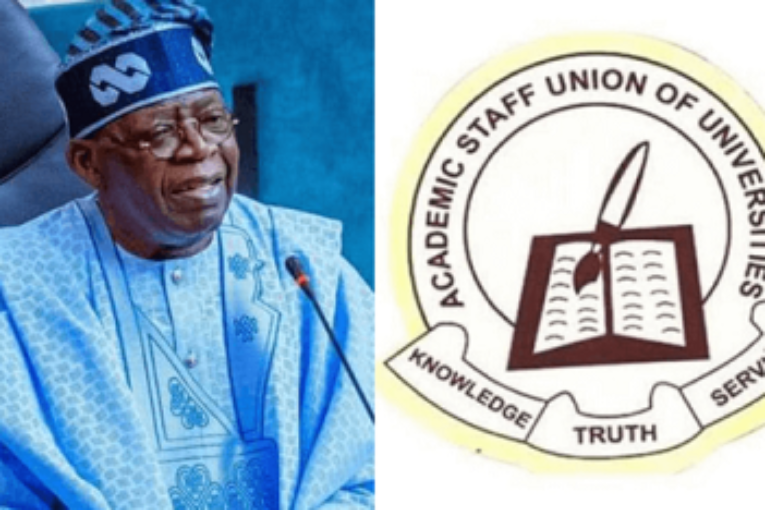
Against this backdrop of frustration and distrust, the freshly signed 2025 FG-ASUU deal stands out for the breadth of its reforms and the clarity of its commitments. Finalised after more than a year of intense negotiations under a committee led by Yayale Ahmed, the agreement focuses on four central pillars: welfare, funding, institutional autonomy, and systemic reforms that directly affect how universities function and lecturers are remunerated.
Perhaps the most visible change is the approval of a 40 per cent increase in academic staff remuneration, to become effective from January 1, 2026. This restructuring introduces the Consolidated University Academic Staff Salary (CONUASS) alongside a new Consolidated Academic Tools Allowance (CATA) designed specifically to support research, conference participation, professional development, internet access, and other core academic activities.
The inclusion of CATA is especially notable because it shifts part of the conversation away from plain salary increments to targeted funding that enhances teaching and research output. In principle, this allowance could address some of the deep-rooted causes of brain drain and academic underperformance that have plagued Nigerian universities for years.
The agreement also brings clarity to previously murky allowance structures by defining nine earned allowances tied to specific duties like postgraduate supervision, examination responsibilities, and fieldwork. A new Professorial Cadre Allowance recognises seniority within academia, providing additional compensation for seasoned lecturers.
Beyond pay, commitments around university autonomy and improved funding channels signal a renewed focus on long-term institutional stability. A proposed National Research Council backed by at least one per cent of Nigeria’s GDP was also envisaged to strengthen research funding nationwide.
Why Many Are Cautiously Optimistic
Despite these promising features, there remains a grounding realism among academics and stakeholders. ASUU’s leadership, while hopeful, has been transparent about lingering doubts rooted in decades of unfulfilled commitments. Professors and lecturers interviewed after the signing expressed that tangible implementation, not just signatures on paper, would determine whether the cycle of strikes truly ends.
Several voices within the university community have emphasised that implementation must begin immediately and be sustained. One argument for optimism is that the effective date of January 1, 2026, embeds the agreement in the nation’s budgetary cycle, making it harder for future administrations to walk away without political and financial accountability.
On the other hand, concerns remain about continuing political will and structural challenges. Some lecturers point out that even with improved wages, Nigeria’s high cost of living and inflationary pressures could erode real value unless additional systemic reforms are pursued. Others worry that the government might delay or phase in provisions gradually, risking renewed frustration.
One lesson from the past is that strike avoidance does not come from agreements alone. Many argue that a system of measurable timelines, regular oversight and genuine stakeholder engagement throughout the implementation process is essential. Without accountability mechanisms, trust may continue to wane, and the conditions that fuel strike threats could resurface.
FG and ASUU: The Road Ahead
At its unveiling, the Minister of Education described the 2025 agreement as a structural step towards stabilising Nigeria’s universities and boosting confidence in the public education system. Yet, the ultimate test lies ahead. Nigerians have lived through too many cycles of hope followed by disappointment. Implementation is where these hopes must translate into reality.
For students, many of whom have fallen behind due to closures, the sincerity of this pact will determine how quickly learning resumes, how academic calendars are stabilised, and how Nigeria can reclaim its position among the continent’s leading centres of higher education. Parents and civil society are watching closely, aware that each unfulfilled promise in the past translated into months or even years of lost learning time for young Nigerians.
In many ways, the 2025 FG ASUU agreement represents more than a negotiation outcome. It embodies a renewed hope that industrial harmony can coexist with academic excellence and that government and lecturers can partner constructively. Whether this hope matures into a sustained era of peace in Nigeria’s university system depends on action, transparency, and genuine commitment from all parties involved.
Only time will tell if this landmark deal will finally end decades of disruptions and open a new chapter for public higher education in Nigeria. Students, lecturers, parents, and policy watchers alike are rightly watching with cautious optimism, ready to celebrate or challenge the next steps as they unfold.
Join Our Social Media Channels:
WhatsApp: NaijaEyes
Facebook: NaijaEyes
Twitter: NaijaEyes
Instagram: NaijaEyes
TikTok: NaijaEyes
READ THE LATEST EDUCATION NEWS