In a policy shift poised to transform Nigeria’s education landscape, the Federal Government has launched a major initiative to end the long-standing divide between Higher National Diploma holders and their counterparts with university degrees. The move signals a fresh chapter for polytechnic education and aims to strengthen the nation’s technical and vocational training sector as a key engine for economic growth and national development.
The announcement was made in Abuja at a high-level retreat attended by top leaders from polytechnics across the country. Among those in attendance were council chairmen, commissioners of education, rectors, registrars and bursars who gathered to discuss ways to advance the quality and relevance of technical education in Nigeria. The Minister of Education, Dr Tunji Alausa, set the tone for this bold new direction, describing the reform as both historic and necessary for the future.

A New Era for Polytechnic Educationby the Government
For decades, the educational system in Nigeria has been marked by what many describe as an unfair hierarchy between university and polytechnic qualifications. Higher National Diplomas have traditionally been seen as inferior to Bachelor’s degrees, disadvantaging polytechnic graduates in the labour market and professional development. This discrimination has left many graduates struggling to compete for jobs and career opportunities, even when they possess strong practical skills and technical expertise.
Under the new policy, polytechnics will be empowered to award recognised degrees. This change is designed to elevate polytechnics to the same level as universities in terms of academic standing while keeping their strong emphasis on hands-on, industry-focused training. The reform aligns with President Bola Ahmed Tinubu’s broader Renewed Hope Agenda, which prioritises job creation, industry expansion and the development of human capital across Nigeria.
According to the Minister of Education, Dr Alausa, Nigeria’s competitiveness on the global stage hinges on the ability of its workforce to innovate, build, and solve real-world problems. By granting degree-awarding status to polytechnics, the government hopes to attract stronger industry partnerships, enhance funding opportunities and build greater confidence among students, employers and stakeholders.

Driving Skills and Innovation for National Growth
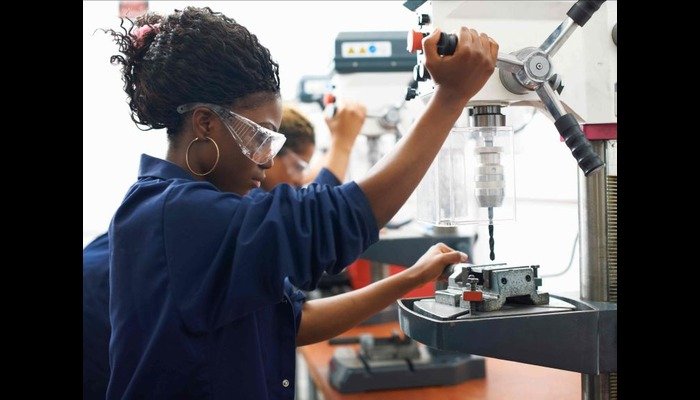
Central to the government’s vision is the recognition that technical and vocational education must be at the heart of the nation’s strategy for sustainable development. Dr Alausa emphasised that polytechnics are critical to building a skills-driven economy, one where graduates are not only theoretically informed but also capable of practical application that meets industry needs. As part of this drive, technical and vocational education and training (TVET) will be further prioritised to ensure that graduates are industry-ready and equipped to contribute meaningfully to economic growth.
The retreat also highlighted the importance of innovation in polytechnic institutions. Polytechnic leaders were urged to strengthen entrepreneurship centres and research hubs on their campuses, forging deeper linkages with industry partners. Special focus areas identified include renewable energy, agri-technology, digital manufacturing and climate-resilient solutions. These sectors represent some of the fastest-growing parts of the global economy and offer young Nigerians fertile ground for employment and enterprise.
Beyond innovation, Dr Alausa stressed the need for good governance and ethical leadership in polytechnics. He called for transparency, accountability and fiscal discipline among administrators to ensure that the transformation of the sector is sustainable and impactful. Institutions are also being encouraged to boost internally generated revenue through productive services and campus enterprises, reducing dependency on government funding.

Challenges and Opportunities Ahead
While the policy has been widely welcomed, stakeholders acknowledge that there are challenges to overcome. Funding gaps, outdated facilities and deep-seated societal bias favouring university degrees remain significant issues. However, the government asserts that the opportunities presented by this reform outweigh the difficulties.
To support the transition, the Federal Government has committed to infrastructure upgrades and strategic partnerships that will modernise polytechnic campuses across the country. A notable development is the announcement of a special Tertiary Education Trust Fund (TETFund) intervention to equip engineering schools in polytechnics with state-of-the-art technology and tools. This follows similar interventions in medical colleges last year aimed at improving professional training across disciplines.
Education experts at the retreat described the move as a turning point for technical education in Nigeria. They highlight that the reform is likely to boost student enrolment, enhance staff morale, and significantly strengthen the contribution of polytechnics to sectors such as manufacturing, technology, agriculture and renewable energy. For many, the policy represents hope for equity, relevance and global competitiveness in Nigerian education.
As Nigeria embraces this major policy shift, the journey ahead will require collaboration from all corners of society. Students, educators, industry leaders and policymakers will need to work together to fully realise the benefits of an education system that values both theoretical knowledge and practical skill. If successful, the reform could not only end decades of educational disparity but also unlock new opportunities for a generation of young Nigerians eager to make their mark at home and abroad.
This landmark initiative marks a defining moment in Nigeria’s quest to build a stronger, more inclusive and future-ready workforce capable of driving national development and competing on the global stage.
Join Our Social Media Channels:
WhatsApp: NaijaEyes
Facebook: NaijaEyes
Twitter: NaijaEyes
Instagram: NaijaEyes
TikTok: NaijaEyes
READ THE LATEST EDUCATION NEWS