January twenty four, marked globally as the International Day of Education, encourages reflection on both achievements and failures in education around the world. In Africa, while leaders often celebrate progress on paper, the lived reality for many learners remains deeply troubling. Policies are adopted, declarations are signed, and targets are set, yet millions of children remain out of school or receive poor quality learning. Understanding why education policies fail in Africa is essential for real change that benefits young people and national development.
Across the continent, headlines regularly flag concerning trends in schooling and education systems. In Sudan, for example, recent figures show that nearly half of school-age children are no longer in education because of ongoing civil conflict and repeated school closures. Families and communities face disruption that goes beyond classrooms as violence and insecurity destroy learning spaces and displace teachers and pupils alike. The consequences echo beyond war zones and remind us that education suffers when basic safety and stability are absent.
In many countries, the ambition to improve education simply has not translated into outcomes on the ground. Governments that once championed schooling reforms now struggle to meet global targets. The result is persistent exclusion, unequal access, and quality gaps that leave millions of young learners behind.
The Gap Between Policy and Practice in African Education
One major reason education policies fail in Africa is the disconnect between decision makers and the everyday experiences of learners. In many capitals, ministries of education develop policies within closed bureaucratic circles with limited input from the people directly affected. Students, parents and local teachers are referenced only occasionally in policy documents, if at all. As a result, reforms can look effective on paper yet fail when implemented in classrooms.
For example, education ministries may adopt new curricula or introduce reforms without assessing whether schools have enough trained teachers or resources to support these changes. Classrooms may be equipped with materials that are foreign to the context, while basic needs such as textbooks and trained instructors go unmet. This kind of top-down planning reduces the relevance of education reforms to the communities they claim to serve.
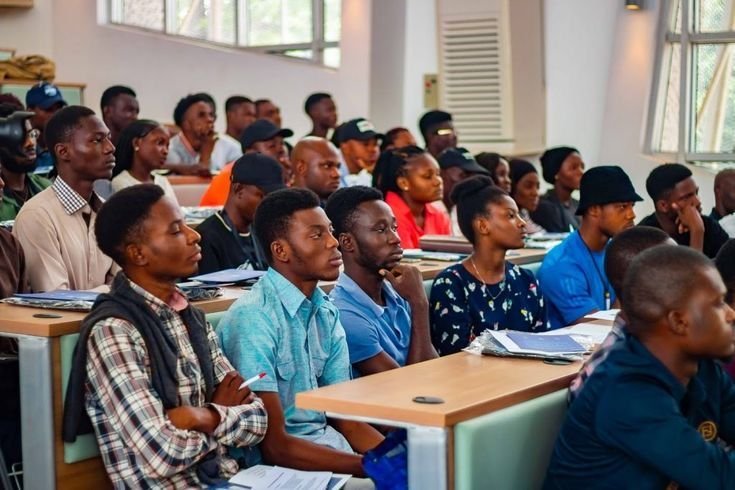
The failure to integrate students into planning processes is more than a procedural flaw. It reflects a broader cultural issue in policy-making where youth voices are seen as peripheral rather than central. In some countries that have invited student representatives to education boards and planning committees, educators and lawmakers report improvements in attendance and more relevant educational priorities. These examples suggest that when learners are respected as key stakeholders, policy implementation becomes more responsive and impactful.
Civil society organisations, teacher associations and youth groups have also highlighted the importance of grassroots involvement in shaping education systems. When these groups are excluded from meaningful consultation, policy choices often reflect the perspectives of insiders rather than those of the broader population. Real change requires sustained engagement between government and civic actors so that education systems reflect lived realities rather than idealised models.
The Persistent Problem of Funding
Another critical factor in the failure of education policies is chronic underfunding. Many African countries have made international commitments to increase budgets for education. Yet most governments do not meet global benchmarks for education spending as a share of GDP or total public expenditure. These commitments were first outlined in the Incheon Declaration and reinforced in several declarations and action plans agreed by African heads of state and representatives. Still, only a small fraction of countries consistently meet recommended funding levels.
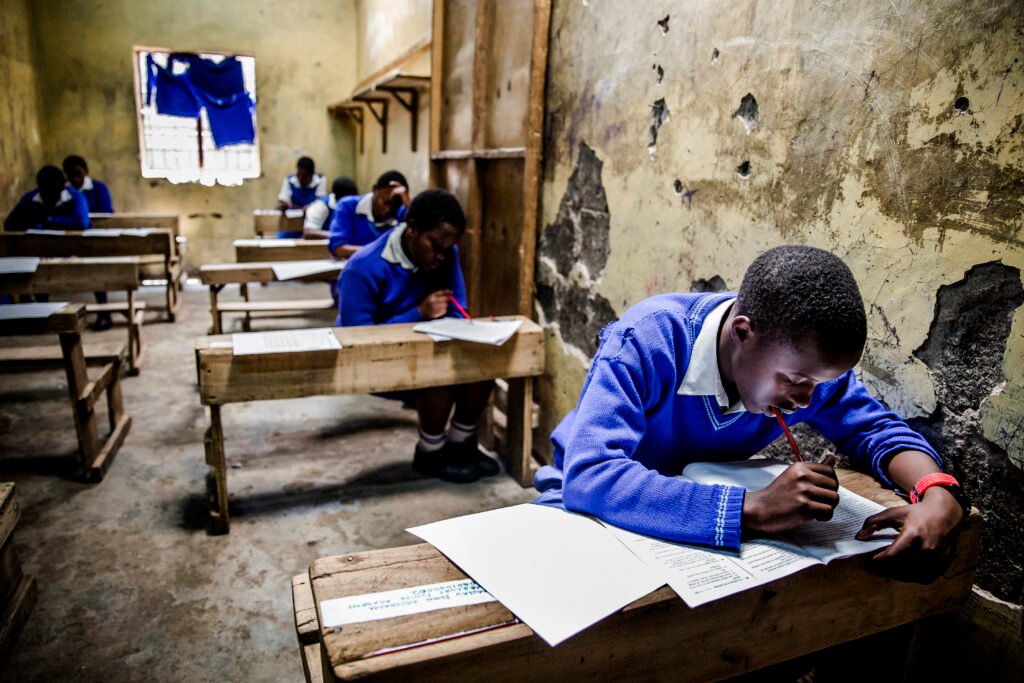
Insufficient funding has direct impacts on access and quality. When governments fail to invest in schools, families bear a disproportionate cost. School fees, uniforms, transport and supplementary materials become barriers to attendance, especially for the poorest households. In some regions, families spend a significant share of household income just to keep children in school. With inadequate public funding, public schools struggle to offer free and compulsory basic education as promised under national laws and international agreements.
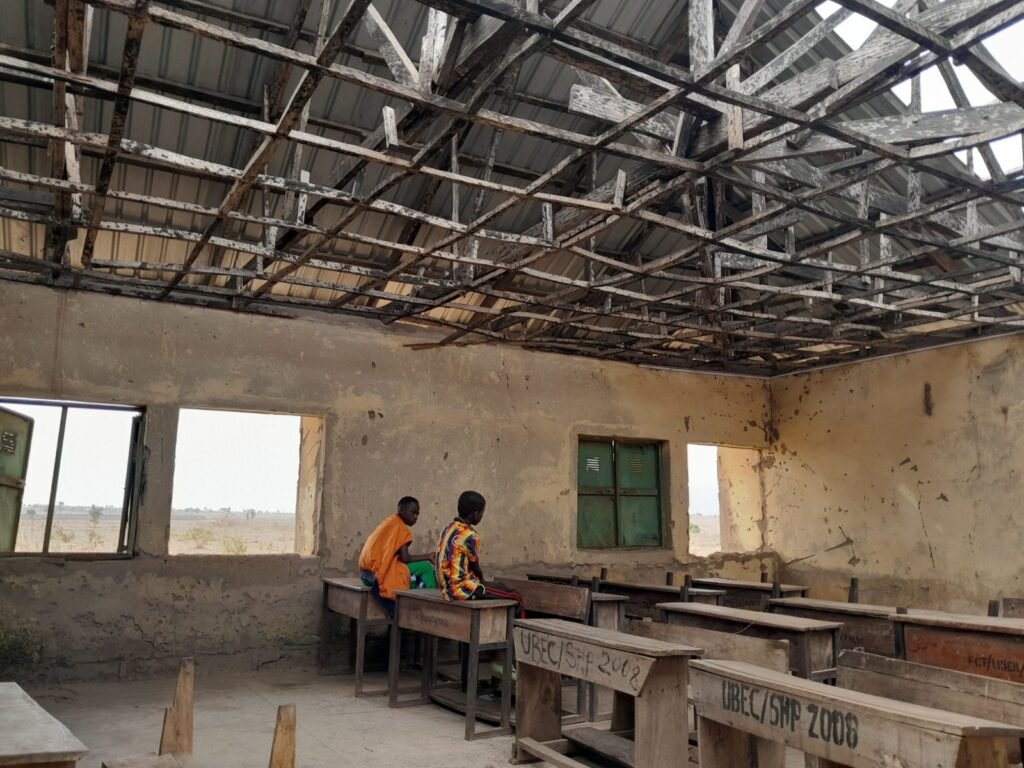
The consequences of underfunding extend beyond the classroom. Poor salaries for teachers reduce morale and contribute to high turnover rates, with many qualified educators leaving for better opportunities abroad or in other sectors. This limits the availability of skilled teachers and undermines the stability of education systems. Schools also face shortages of essential infrastructure such as classrooms, electricity, sanitation and learning resources. Without these basics, quality education remains elusive for many students.
Fundamentally, education cannot be improved without sufficient investment. Budget shortfalls limit the reach of policy reforms and reinforce inequality. Wealthier communities may have private schools or better-funded local systems while poorer areas remain underserved, deepening gaps in access and achievement.
Structural and Systemic Challenges
Understanding why education policies fail in Africa requires a closer look at deeper structural challenges. Africa’s education systems face multiple constraints that weaken policy impact even before implementation begins.
One important issue is language and instructional relevance. Many African countries retain colonial languages as the primary medium of instruction long after independence. Research in education and cognitive science suggests that children learn most effectively in their mother tongue, especially in the early years. When instruction is delivered in languages that are unfamiliar or spoken only in formal settings, learners face an added cognitive barrier that undermines comprehension and engagement. This can lead to poor performance in basic literacy and numeracy.
Beyond language, many education policies do not fully address the socio economic barriers learners face outside of the classroom. Poverty remains one of the most persistent obstacles to schooling. Families struggling to survive often prioritise immediate needs such as food and shelter over education. Children from poorer households may be forced into labour or domestic duties that reduce school attendance and completion.
Inequality within education systems also reflects broader societal inequities. In some countries, access to quality schooling is heavily dependent on geography and wealth. Urban areas may have better staffed and resourced schools, while rural communities contend with long distances to school, few qualified teachers, and limited learning materials. This disparity entrenches cycles of disadvantage, making it harder for education to function as a pathway to opportunity for all citizens.
Conflict and insecurity further complicate education policy in many African contexts. Active conflict zones disrupt schooling for prolonged periods, displacing families and dismantling infrastructure. In Sudan, half of all school-age children are reported to be out of school due to ongoing civil war and related disruptions. Such crises not only interrupt learning but also erode trust in public institutions and systems.
Climate-related shocks also affect schooling. Extreme weather events such as flooding, heatwaves and storms have forced closures of schools in many low and middle income countries, particularly in sub Sahara Africa. These events not only destroy facilities but also make it difficult for communities to maintain consistent attendance, and yet many education policies do not adequately prepare systems for climate resilience.
Building Education Systems That Deliver
The persistence of policy failure in African education is not a sign that improvement is impossible. On the contrary, it highlights the need for holistic and context-sensitive approaches. Success requires commitment from governments, meaningful engagement with communities and learners, and long-term investment that prioritises equity and quality.
Empowering local voices in policymaking is a first step. Education reforms designed with input from students, parents and teachers are more likely to address real challenges and promote solutions that are feasible and inclusive. Government plans should include genuine consultation mechanisms that give young people a say in decisions that affect their futures.
Domestic financing needs urgent attention. Governments must match their policy ambitions with adequate allocations for education. Sustained funding will help ensure free and compulsory schooling, support teacher training, improve infrastructure, and reduce reliance on families to bear the brunt of costs. It will also enable systems to innovate and adapt, including efforts to make instruction more relevant to local languages and cultures.
Addressing structural issues such as inequality, teacher shortages and learning in hostile environments will require coordinated action. Partnerships across government ministries, civil society and international partners can help strengthen systems. International cooperation should support African-led solutions rather than impose external templates that do not fit local contexts.
Above all, education must be understood as a human right and a foundation for development. Fulfilling this right calls for policies that work for all children, regardless of background or location. On the International Day of Education and beyond, leaders should renew their focus on outcomes rather than targets, and ensure that every child, adolescent and young adult has access to meaningful and transformative learning.
Join Our Social Media Channels:
WhatsApp: NaijaEyes
Facebook: NaijaEyes
Twitter: NaijaEyes
Instagram: NaijaEyes
TikTok: NaijaEyes