
The National Information Technology Development Agency (NITDA) has renewed its pledge to make Nigeria’s digital transformation truly inclusive by prioritising persons with disabilities in national technology programmes. The agency says digital empowerment must reach every Nigerian, regardless of physical ability, if the country is to succeed in building a competitive digital economy.
Officials of the agency stated that inclusive digital policies are no longer optional, especially as Nigeria pushes towards its target of achieving 95 percent digital literacy by 2030. Experts warn that leaving out vulnerable groups such as persons with disabilities could undermine national development and widen inequality across education, employment and entrepreneurship.
According to NITDA, over 35 million Nigerians live with one form of disability or another, making deliberate inclusion critical to achieving nationwide digital participation. The agency insists that digital skills are essential tools for economic empowerment and social inclusion, noting that technology has the potential to transform the lives of millions when access barriers are removed.

Digital Inclusion Seen as Key to Nigeria’s Growth and Competitiveness by NITDA
Speaking on the renewed commitment, NITDA leadership emphasised that excluding any segment of the population from digital opportunities weakens Nigeria’s growth prospects and global competitiveness. The agency stressed that digital skills create pathways to jobs, entrepreneurship and innovation, particularly for underserved groups.
NITDA highlighted recent training initiatives designed to equip persons with disabilities with practical technology skills to secure employment, start businesses and contribute meaningfully to national development. The programmes aim to turn beneficiaries into innovators and community leaders who can drive productivity across sectors.
The agency further explained that inclusion must go beyond policy statements. It is working to integrate accessibility considerations into national ICT frameworks, training curricula and digital literacy programmes. Stakeholders from disability advocacy groups are also being engaged to ensure policies reflect real needs on the ground.
Aligning With National Digital Literacy Targets and Renewed Hope Agenda
Nigeria’s Federal Government has set ambitious goals to strengthen digital literacy nationwide, with plans to reach 70 per cent literacy by 2027 and 95 per cent by 2030. These targets form part of the broader national digital transformation strategy aimed at positioning Nigeria as a leading digital economy in Africa.
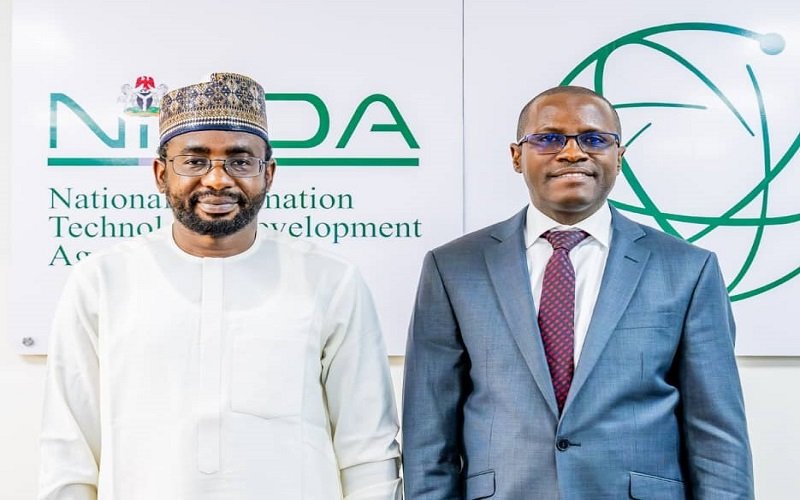
NITDA officials stated that empowering persons with disabilities aligns with the Renewed Hope Agenda, which prioritises inclusive growth and economic diversification. By integrating disability-focused training into programmes for youths, women and small business owners, the agency hopes to build a workforce equipped for the future.
Government leaders and stakeholders have also warned that the digital divide continues to deepen inequality, particularly in rural communities and marginalised populations. Closing this gap, they say, requires intentional policies, investments in infrastructure and targeted training for vulnerable groups.
Stakeholders Call for Sustained Action and Collaboration
Disability advocacy organisations welcomed the renewed commitment but urged the government to translate pledges into measurable action. They stressed the importance of representation in policy design, monitoring and implementation to ensure programmes are inclusive in practice.
Experts believe digital inclusion can unlock opportunities in education, employment and entrepreneurship for millions of Nigerians with disabilities. With the right tools, training and support, technology can help them participate fully in national development and improve their quality of life.
NITDA has called for stronger collaboration among government agencies, private sector players and civil society organisations to build an inclusive digital ecosystem. The agency says empowering persons with disabilities is not an act of charity but a strategic investment in Nigeria’s future workforce and innovation capacity.
As Nigeria accelerates its digital transformation journey, stakeholders agree that success will depend on ensuring no citizen is excluded. For the country to thrive in a fast-evolving global economy, digital opportunities must be accessible to all.
Join Our Social Media Channels:
WhatsApp: NaijaEyes
Facebook: NaijaEyes
Twitter: NaijaEyes
Instagram: NaijaEyes
TikTok: NaijaEyes