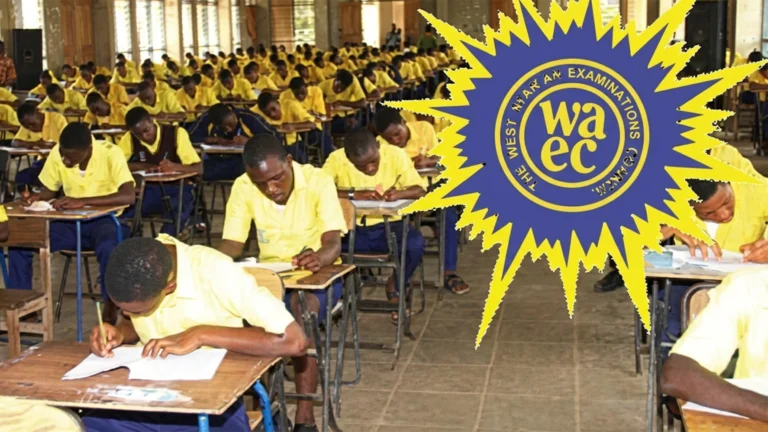
In a landmark moment for education reform, Nigeria has placed young people at the heart of its national conversation on learning and skills development. The theme “The power of youth in co-creating education” is not just a slogan but a working blueprint for how the country intends to build a more inclusive, relevant and future-ready education system for all its citizens. According to UNESCO, this shift in focus recognises that young Nigerians are not only learners but vital partners in shaping how education evolves to meet the demands of the 21st century.
A new era for education in Nigeria
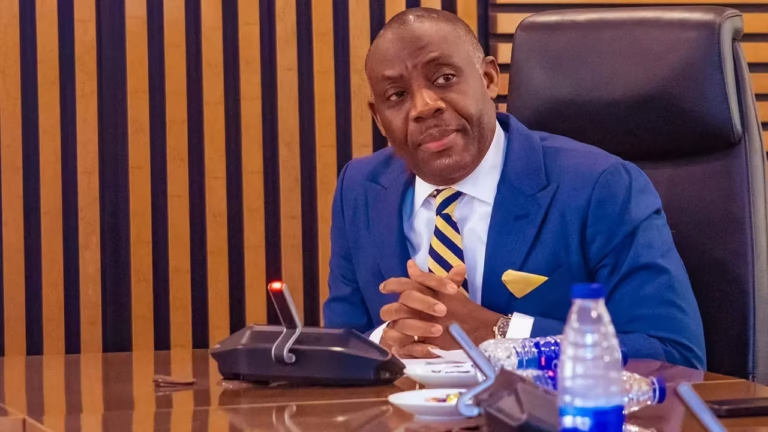
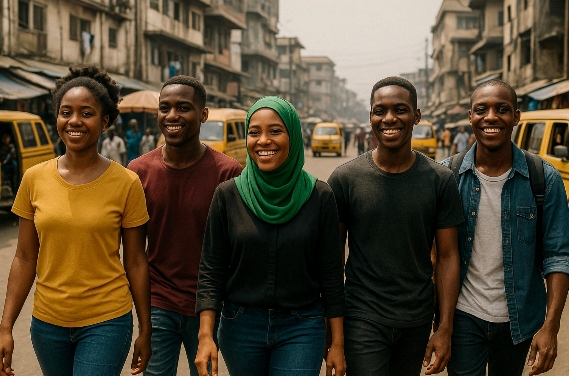
At the recent International Day of Education celebration in Abuja, Nigeria’s Minister of Education Dr Maruf Tunji Alausa outlined a bold vision that repositions youth as co-creators of education policy and practice. According to the minister, this approach moves beyond traditional, top-down systems to one where learners help design, evaluate and improve the very education they receive. With over half of Nigeria’s population under the age of 30, the strategy reflects a recognition that the country’s future depends heavily on the ingenuity and agency of its young people.
The celebration’s theme echoed a global message from UNESCO, which emphasises that young people must be recognised as active agents of change in education worldwide. Rather than passive recipients of a pre-determined curriculum, youth are now being invited to contribute to policy, teaching methods, digital learning solutions and programmes that affect their daily lives. UNESCO frames this as essential to achieving inclusive, equitable, quality education and lifelong learning opportunities for all.
This shift in Nigeria is gaining traction at multiple levels. In Lagos, state education officials have reaffirmed commitments to inclusive policies and improved learning outcomes, aligning local reforms with the national theme to ensure that youth voices help shape changes in classrooms and communities.
Why co-creation matters for young people
Co-creating education means more than consulting with students once or twice; it demands formal and sustained engagement that gives youth real influence in decisions with tangible outcomes. Young people have insights grounded in lived experience that can highlight what works in schools, what does not, and what innovations might make learning more meaningful in Nigeria’s rapidly evolving social and economic landscape.
Across Africa, similar initiatives have demonstrated how youth input can transform education into a more participatory process. Young voices have helped shape entrepreneurial programmes, digital learning projects and peer education campaigns that extend learning beyond traditional classroom boundaries. In these examples, youth are not simply asked for opinions; they design and implement solutions. Evidence suggests that this deeper level of engagement fosters agency, confidence and leadership skills among young people, preparing them for future careers and civic roles.
Locally, Nigerian youth involvement in education debates resonates with broader efforts to equip learners with skills for the modern economy. Research in Nigeria points to the importance of education not just for personal development but for national growth and social transformation. Quality education contributes to empowerment, innovation and greater participation in democratic life.
Practical steps in Nigeria’s strategy
The renewed focus on youth co-creation has already resulted in concrete actions. Nigeria’s education agenda now includes innovation hubs, digital skills platforms, feedback mechanisms for learners and partnerships with private and civil society actors to strengthen engagement and implementation. These moves reflect a holistic view that co-creation of education must include both curricular reform and the environments in which learning takes place.
Curriculum rationalisation is central to this approach, inviting input from young learners about what knowledge and skills matter most for their futures. Nigeria is also expanding technical and vocational education and training (TVET) to provide pathways that align with labour market needs, while scholarships, capital support for student ventures and digital learning expansion aim to bridge gaps in access and relevance.
A key part of this strategy is improving education data systems and ensuring that policies are informed by evidence collected from learners themselves. By strengthening transparency and accountability, co-creation initiatives make it possible for youth to see how their contributions lead to measurable improvements.
As Nigeria aligns with Sustainable Development Goal 4, which calls for inclusive, equitable quality education and lifelong learning for all, youth engagement becomes a powerful tool for tracking progress and holding institutions accountable. This vision extends not just to basic education but to higher levels of learning, where young innovators and thinkers are shaping conversations on digital transformation, entrepreneurship, and community development.
Voices of young changemakers
Across the country, young Nigerians are already proving that their involvement can spark transformational change. From student-driven initiatives in local communities to participation in national youth forums, young people are creating programmes that reflect their aspirations and respond to gaps in traditional systems. These grassroots innovations highlight how co-creation can unlock latent potential that would otherwise go untapped.
One example of youth activism outside formal education policy is seen in initiatives where young entrepreneurs tackle societal challenges while learning critical skills. Whether creating community learning projects or launching startups that address local needs, these young leaders demonstrate the value of merging education with practical problem-solving.
Efforts like the national Youth Confab also illustrate how youth contributions extend beyond education into broader national planning, empowering young Nigerians to shape the country’s future across different sectors. Such platforms amplify youth voices and invite them to propose actionable solutions to pressing challenges.

Looking ahead
The growing emphasis on co-creating education in Nigeria marks a decisive step toward a more responsive, resilient and inclusive system of learning. By valuing the perspectives of young people and structuring mechanisms that give them real decision-making power, Nigeria is forging a path that aligns educational outcomes with the lived realities and aspirations of its youth.
Yet this transformation will require sustained commitment. It demands continuous dialogue among government, educators, families, communities and learners themselves. It also requires investments in infrastructure, teacher training, digital tools and inclusive policies that ensure no young person is left behind.
In practical terms, the success of co-creation will be measured not just by policy documents but by how young Nigerians interact with, shape and benefit from the education they help build. If this vision is realised, it will set a powerful example for how nations can collaborate with their youth to create education systems that are equitable, future-focused and truly reflective of the people they serve.
Join Our Social Media Channels:
WhatsApp: NaijaEyes
Facebook: NaijaEyes
Twitter: NaijaEyes
Instagram: NaijaEyes
TikTok: NaijaEyes
READ THE LATEST EDUCATION NEWS