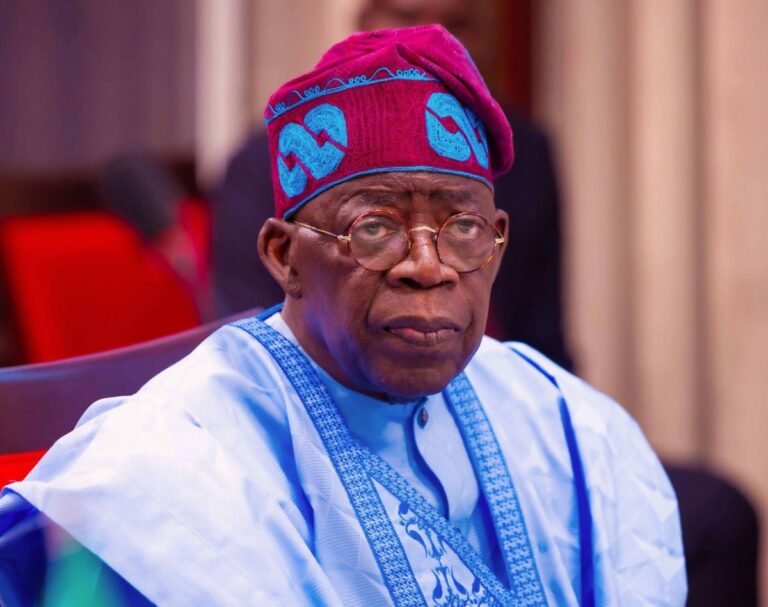
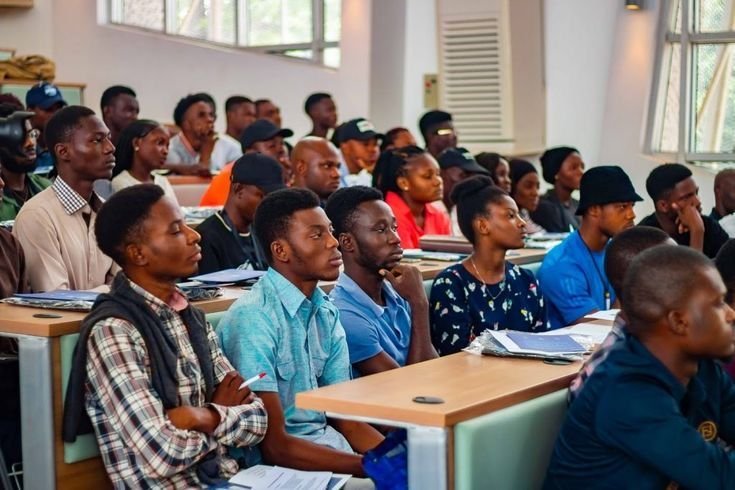
In a candid exchange of ideas this week, the Honourable Minister of Information and National Orientation, Mohammed Idris, highlighted how President Bola Ahmed Tinubu’s education reform efforts are beginning to translate into concrete benefits for young Nigerians. These reforms aim to widen access to education, improve stability in learning environments, and lay stronger foundations for future skills and employment opportunities across the country.
For many Nigerian youths, these policy moves are more than political talking points. They are shaping how students access university education, engage with modern learning opportunities, and prepare themselves for an evolving job market. The federal government is placing renewed emphasis on equipping the rising generation with the tools they need to compete locally and globally.
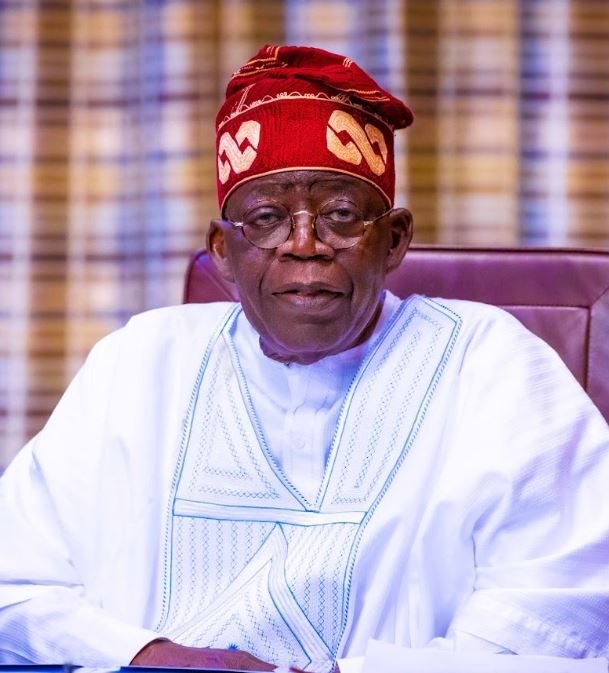
Expanding Opportunities Through Strategic Education Initiatives
According to the minister, the government’s approach has included key initiatives such as the Nigeria Education Loan Fund, student innovation grants, and stronger university–government collaboration. These programmes are designed to ensure that more young Nigerians can enter, remain, and succeed in tertiary education institutions without the disruptions that have characterised the country’s academic calendar in the past.
These moves come under the broader Renewed Hope Agenda, which President Tinubu has championed as a blueprint for national transformation. By focusing on access, stability, and quality, the federal government seeks to strengthen the entire education pipeline – from entry into universities to opportunities for research, innovation, and practical experience that connect classroom learning with real-world needs.
During a courtesy visit from the leadership of a major federal university, Minister Idris praised the collaborative spirit between government and academia. He noted that such engagements are essential to align educational programmes with the skills and knowledge required in Nigeria’s rapidly changing economy.
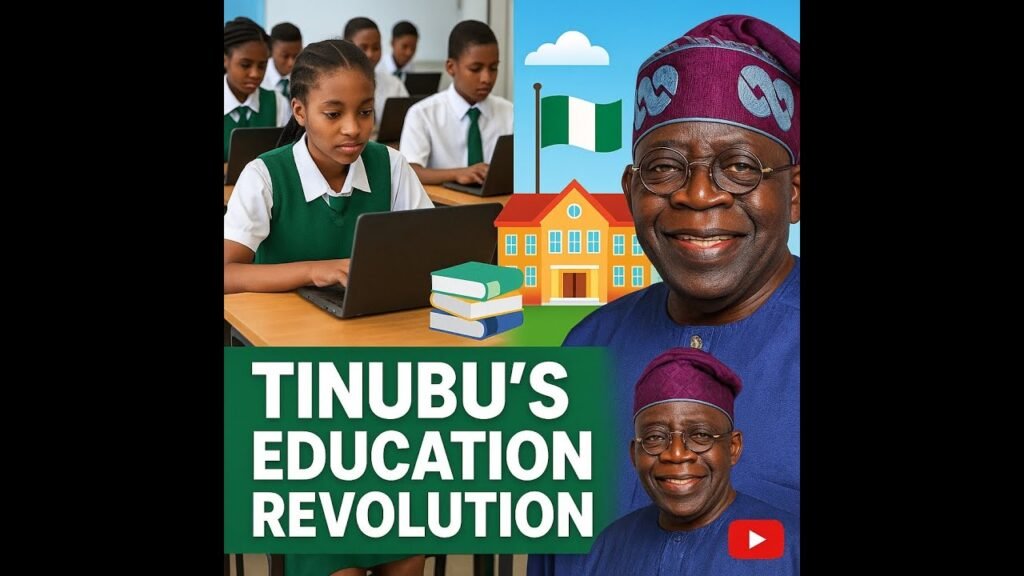
Partnerships and Media Literacy as Pillars of Reform
While discussing the reforms, the minister also drew attention to the government’s commitment to responsible communication and media education. In a world grappling with misinformation and digital misuse, equipping students with media literacy skills is now seen as a crucial dimension of modern education. Nigeria’s hosting of the UNESCO Category II Media and Information Literacy Institute underscores this priority.
By supporting new faculties and specialised programmes in media and communication studies, the federal government is not only responding to immediate challenges but also positioning a generation of learners to engage responsibly with digital media, journalism, and public discourse. Universities are being encouraged to integrate these competencies, build relationships with industry professionals, and fortify academic offerings against outdated curricula that do not match the demands of the 21st century.
This emphasis on media literacy is part of a broader strategy to ensure that young Nigerians are not only educated but empowered to navigate the complexities of an information-rich environment. In doing so, the government hopes to strengthen civic participation and public trust in credible information sources.
Youth-Centred Reforms and Future Prospects
The government’s investment in education has been reinforced by robust budgetary support and policy backing. As Nigeria boosts allocations for the sector, voices within and outside government have welcomed the focus on teacher development, digital learning platforms, and infrastructure improvements that support better outcomes.
Experts and stakeholders have also pointed out that many components of these reforms are designed to reflect global best practices. Curriculum rationalisation, digitalisation of learning systems, and inclusion policies aimed at marginalised groups are all part of the broader transformation roadmap.
For Nigeria’s youth, the goal is clear: education should not be a hurdle but a springboard to meaningful participation in the country’s economic and social life. Through a combination of loans, grants, skill-building initiatives, and collaborative partnerships, the reforms are gaining traction and fostering a sense of possibility among young Nigerians.
In summing up the impact of these efforts, many observers say that the government’s focus on quality, access, and relevance could well determine how effectively Nigeria meets the demands of a future characterised by rapid technological changes and growing competition for talent.
Join Our Social Media Channels:
WhatsApp: NaijaEyes
Facebook: NaijaEyes
Twitter: NaijaEyes
Instagram: NaijaEyes
TikTok: NaijaEyes