The reality of the new Dangote petrol price and what it means for Nigerians
For many Nigerians who had been enjoying a bit of a breathing space at the fuel stations, the news coming out of the Dangote Petroleum Refinery this Monday is a bitter pill to swallow. After holding the line since December last year, the refinery has officially adjusted its prices, moving the retail cost of Premium Motor Spirit from N739 per liter to N839 per liter.
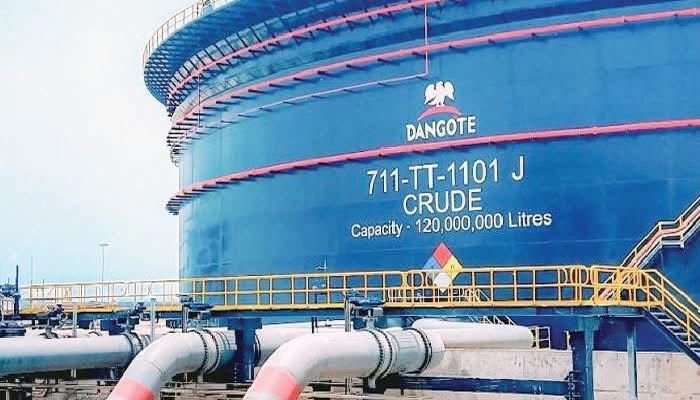
As an editor watching the economic landscape, I can tell you that this N100 increase is more than just a number on a display board. It is a development that will ripple through our markets, our transport fares, and the cost of every single loaf of bread moved from one point to another. While we were all hoping for prices to continue their downward trend to make life easier, this adjustment serves as a stark reminder of the complexities involved in refining and distributing fuel on a massive scale in a volatile economy.
Why the refinery adjusted its gantry and retail rates now
The “koko” of the matter, as explained in the statement from the refinery, is a shift in the alignment of their pricing structure. The gantry price, which is what the bulk buyers pay at the gate, has moved from N699 to N799 per liter.
This automatically pushed the retail price at the pumps to N839 per liter. We have to look at the background to understand why this is happening. The CEO of the refinery, David Bird, noted that despite this price change, the facility is still pumping out about 50 million liters of petrol daily. However, industry reports suggest that some technical downtime with the Residual Fluid Catalytic Cracker forced the refinery to import some gasoline to keep up with the massive demand.
Importing fuel in a climate where the Naira is constantly fighting for its life against the Dollar is never a cheap venture, and it seems those costs have finally found their way to the pump.
Navigating the impact on transportation and daily living costs
In Nigeria, when petrol price “enters body,” every other thing follows suit. For the average “danfo” driver or the businessman moving goods across the states, an extra N100 on every liter is a significant overhead. We are likely to see a slight jump in transport fares as drivers try to balance their daily accounts.
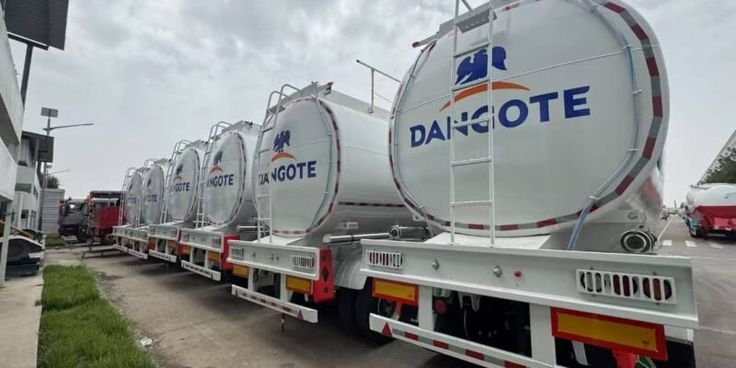
This is the part where the human element becomes very real. Many families are already stretching their income to the limit, and any additional cost at the filling station feels like a heavy weight. Even though Aliko Dangote had previously expressed his desire to keep prices low to edge out importers, the reality of global market forces and local production challenges has created this new “wahala.”
It is a delicate balance between keeping a massive business like the refinery profitable and keeping the energy needs of over 200 million people affordable.
Looking ahead to fuel stability in the domestic market
Despite this hike, there is a silver lining we must not ignore. The refinery is still operational and supplying the domestic market consistently. Unlike the days when we were completely at the mercy of delayed ships and port congestion for every drop of fuel, we now have a local giant that can evacuate 50 million liters a day.
David Bird assured that distribution is operating normally nationwide, which means we might not be seeing the long “fuel queues” that usually follow price adjustments. The hope of every Nigerian is that as the refinery resolves its technical issues and stabilizes its production capacity, we might see these prices come down again.

For now, we must adjust our budgets and keep a close watch on the downstream sector to see how other players like NNPCL react to this new benchmark set by the Dangote team.
Join Our Social Media Channels: