
Apple’s much-anticipated quarterly results for January 29, 2026, are now centre stage in the global technology sector as investors and analysts try to work out how rising memory chip prices are affecting the company’s profitability and market position. According to Bloomberg, the upcoming earnings reveal is not just about revenue and profit numbers. It is being closely watched as a barometer of how deep the memory supply squeeze is cutting into the bottom lines of one of the world’s most valuable companies.
The global shortage of memory chips, driven largely by surging demand for artificial intelligence infrastructure and the reallocation of chip production towards advanced memory types, has forced prices up dramatically. This has had ripple effects across the consumer tech industry, and Apple is no exception.
In this comprehensive report, we explore what the numbers might reveal, why memory costs matter so much, and what analysts and investors are saying about Apple’s future amid this supply chain storm.
Rising Memory Costs and Why They Matter
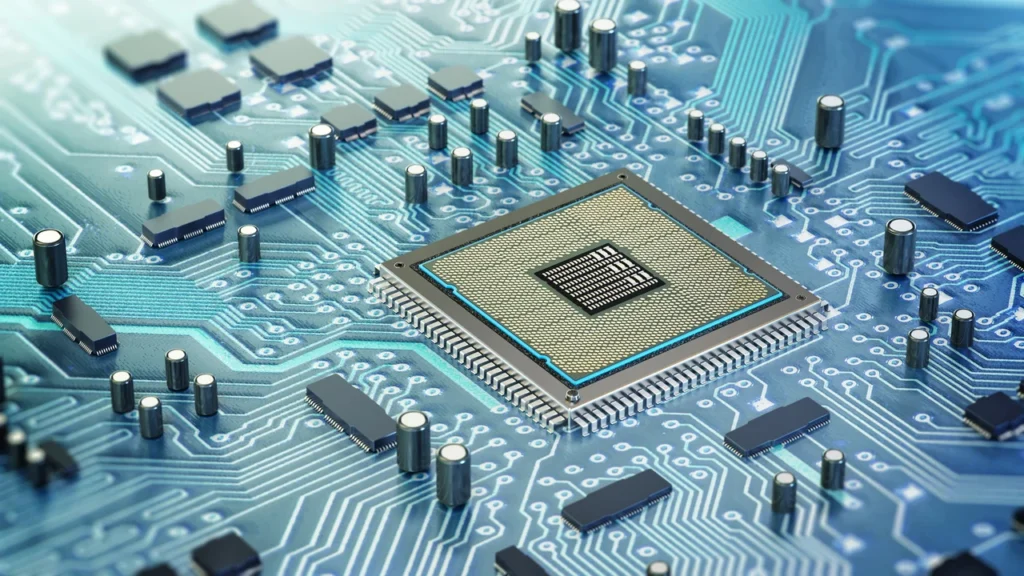
Memory chips such as DRAM and NAND flash are essential components inside smartphones, tablets, and computers. These parts store data and help devices run apps and systems smoothly. When prices for these memory components rise sharply, makers of consumer electronics face three difficult choices: absorb the costs and accept lower profits, pass the costs to customers through higher prices, or cut costs elsewhere in the product.
In late 2025 and into 2026, prices for DRAM and other memory types have surged due to a combination of increased demand from AI data centres and a structural shortage from manufacturers prioritising advanced memory production over mainstream chips. This has created a squeeze on supply for the parts Apple needs for its iPhones, iPads, and Macs.
Analysts say that Apple may be paying as much as 10 to 25 per cent more for memory compared to last year, and there are even reports that some specific memory modules have seen price increases of more than 200 per cent. It is longer-term contracts and Apple’s purchasing power that have shielded the company somewhat, but contracts are expiring, and the company is preparing for tougher buying conditions.
Even though memory may only represent a fraction of the total cost of an iPhone, the scale of Apple’s production means that even small percentage increases translate into very large absolute cost increases. This is why investors are watching the earnings report closely for any indications of margin compression as a result of these cost pressures.

What to Expect from the Earnings Numbers
Wall Street analysts and research firms have varied opinions about how Apple will navigate this headwind. Some forecasts remain optimistic that Apple will exceed revenue expectations in the first quarter of 2026, citing strong iPhone sales and supply chain arrangements that have helped limit the immediate impact of rising component costs. One forecast suggested revenue could hit as high as $140.5 billion for the quarter.
Others are more cautious, pointing out that even with strong sales volumes, the increased cost of memory could squeeze Apple’s gross margins. This refers to the difference between what it costs Apple to make its products and the price at which it sells them. If memory costs continue to rise and Apple chooses to absorb those costs rather than raise device prices, gross margins could shrink.
There are also broader questions about demand in key markets. Economic pressures in major regions such as the United States and China could affect consumer spending on premium devices. A slowing upgrade cycle amid higher prices for components may mean fewer customers buying new models. Analysts will be watching revenue from iPhone and other product lines, as well as guidance for future quarters.
Investors will pay close attention to whether Apple mentions costs for memory in its earnings call and how management is planning to address those challenges. Any language suggesting that costs may be passed on to customers or that margins will be squeezed could influence Apple’s stock price in the days that follow.
Broader Industry Impacts
Apple’s situation is not unique. The global memory shortage that started in 2024 and continues through 2026 has affected a wide range of technology firms. Manufacturers of PCs, smartphones, and gaming consoles have all felt the impact of escalating chip prices. In some cases, companies have responded by raising retail prices, trimming product features, or delaying product launches.
Unlike smaller competitors, Apple and other big players like Samsung are better positioned to manage cost increases because of their size, financial strength, and long-term supply agreements. Analysts from research firms like Counterpoint have noted that Apple’s scale gives it some insulation from the worst effects of the memory price surge. However, this advantage has limits, especially as older contracts expire and new ones must be negotiated at higher market rates.
For companies with thinner profit margins, the memory price surge presents a more serious hit. Some hardware manufacturers may have to raise prices on devices or reduce investment in other areas to balance their cost structures. This could alter the competitive landscape and change how consumers choose between brands and models.
Memory makers such as Micron Technology, SK Hynix, and Samsung have seen strong earnings on the back of higher chip prices. They are benefiting from strong demand from data centre and AI infrastructure builders, highlighting how the global chip ecosystem is shifting towards high-performance and high-margin segments of the industry.
What This Means for Consumers and Investors
For consumers in markets like Nigeria and beyond, the memory chip shortage and subsequent cost increases could mean higher prices for Apple products in 2026. While Apple may absorb some costs in the short term to keep retail prices stable, many analysts believe that price increases for iPhones, MacBooks, and other devices are likely to become unavoidable as contracts lapse and component costs continue to rise.
For investors, the earnings report represents a crucial moment to evaluate how Apple is navigating structural shifts in the technology supply chain. The company’s ability to manage costs, maintain healthy profit margins, and articulate a clear long-term strategy will be key to sustaining investor confidence. If Apple points to successful margins and strong demand, the stock could recover from recent volatility. However, language suggesting rising costs will cut into profits could keep pressure on the share price.
The broader market will also be watching how tech stocks as a whole respond. Memory price pressures are not confined to Apple, and they may influence how other major tech players fare in 2026 and beyond. The memory shortage has already been linked to slower smartphone and PC sales forecasts, with analysts cautioning that the industry could see reduced unit volumes as higher costs push some consumers to delay purchases.
In the end, the January 29 earnings report is more than just a snapshot of Apple’s financial performance. It is a test of how resilient the company’s business model is in the face of big changes in the global technology supply chain. That is why investors, analysts, and consumers alike are paying close attention to every detail of the numbers and the narrative that emerges from Cupertino.
Join Our Social Media Channels:
WhatsApp: NaijaEyes
Facebook: NaijaEyes
Twitter: NaijaEyes
Instagram: NaijaEyes
TikTok: NaijaEyes