
Across Africa, governments, educators, and international partners are confronting both promise and constraint in efforts to ensure inclusive and high-quality education for every learner. A new UNESCO-led event spotlighted what is working in education governance and management across the continent, and the shifts urgently needed to reach Sustainable Development Goal 4 (SDG4). This global target focuses on ensuring inclusive and equitable quality education and promoting lifelong learning opportunities for all by 2030.
The conversations come as Africa prepares to launch the next long-term framework guiding education policy from 2026 to 2035. Building on lessons from the Continental Education Strategy for Africa 2016-2025 (CESA 16-25), this next strategy aims to accelerate progress on learning outcomes, equitable access, and skills development that responds to the needs of rapidly changing economies and societies.

Recognising Progress and Persistent Challenges
In recent years, many African governments have expanded access to schooling. More children and youth are enrolled than ever before and more schools are operating across regions that once had limited formal education options. Despite this progress, deep challenges remain. Across the continent, more than 100 million children and adolescents remain out of school and learning outcomes have lagged behind expectations. In parts of Africa, foundational skills such as reading and numeracy are far below global benchmarks.
Educational governance and management underpin every major challenge and opportunity in the sector. When systems are well governed, budgets are spent effectively, teachers are supported, and data drives decision-making. Yet when changes in leadership, rigid bureaucracies or resource shortages constrain strategic planning, schools struggle to deliver quality learning for all pupils.
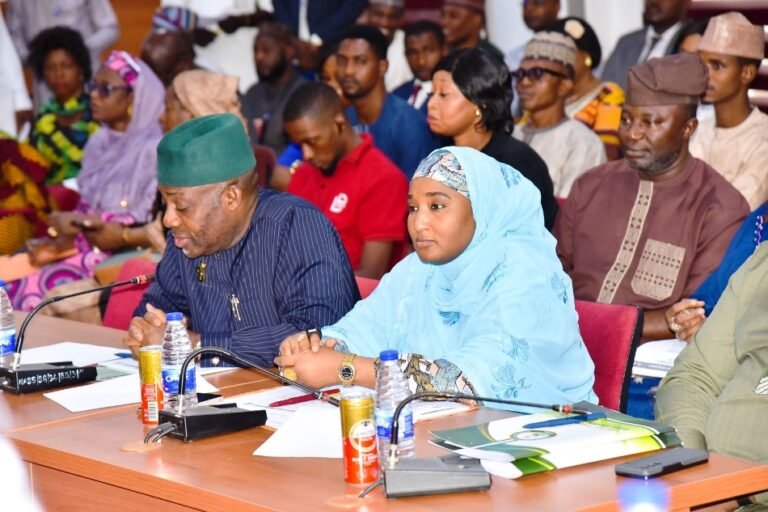
In this backdrop, the UNESCO event brought together education ministers, experts and civil society to examine both the successes worth scaling and the structural bottlenecks that must be addressed. Practical sessions drew evidence from local education authorities and national governments to determine how policies on finance, planning and evidence use are shaping outcomes on the ground.
What Works in Education Governance
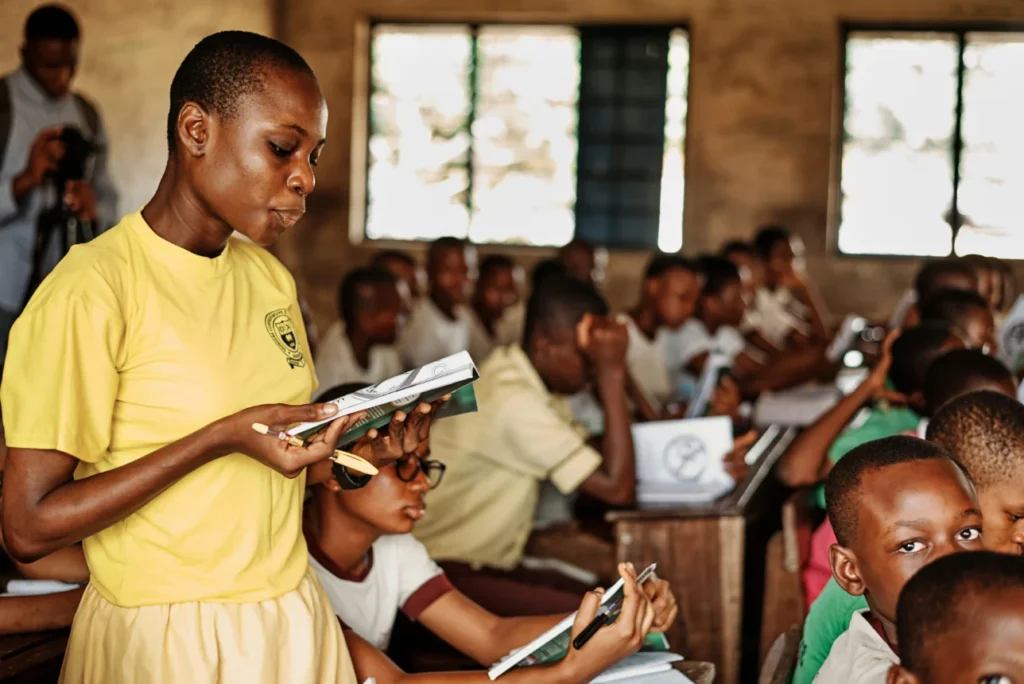
Several promising practices have emerged across African countries. In some regions, policymakers have begun using data more systematically to monitor school performance and guide planning. This evidence-informed approach helps sharpen priorities, identify gaps early, and ensure limited resources deliver the greatest possible impact.
Strengthened financial management frameworks are also helping governments align spending with strategic goals. Effective budgeting and transparent reporting are boosting confidence among domestic and international partners and reducing waste. Where school leaders are empowered to make decisions about staffing, curriculum and community engagement, educational outcomes tend to improve measurably.
Collaboration across ministries and with regional bodies like the African Union has been critical in harmonising policies and amplifying impact. Joint efforts by UNESCO, UNICEF, the African Union and national ministries have produced evidence-rich reports that inform policy dialogues and build consensus around reform priorities.
In countries where technical and vocational education and training (TVET) reforms have been prioritised, young people are gaining access to skills that align more closely with labour market demands. These practical programmes connect schools with industry and create pathways into employment that were previously limited or nonexistent.
What Must Change for Deeper Impact
Even as some strides are evident, persistent barriers continue to undermine governance and management efforts. Chronic underinvestment in education remains a core challenge. Although some African nations have increased education budgets, many still spend below the levels needed to keep pace with rapid population growth and rising demand for services. This financial gap makes it difficult to improve infrastructure, train teachers effectively, and supply modern learning materials in every classroom.
Capacity constraints in leadership and management also limit progress. In several countries, education planners and school administrators lack the training or tools to interpret data, manage complex systems, or implement reforms effectively. Without strengthened institutional capacity, even well-designed policies can fall short of their intended impact.
Governance systems must also address inequities that persist between urban and rural communities, between girls and boys, and among learners with disabilities. Inclusive governance frameworks that prioritise marginalised populations are essential to ensure that education systems do not perpetuate existing divides.
The digital divide presents another management challenge in a world increasingly shaped by information and communication technologies. Schools with limited connectivity and resources struggle to integrate digital tools that could enhance teaching and learning. Effective governance must bridge these gaps and ensure that investments in technology support equitable access for all students.

Looking Ahead: A Stronger Education Future
Education governance and management stand at the centre of Africa’s quest to transform learning systems. The upcoming Continental Education Strategy for Africa 2026-2035 will be shaped by what has worked and by evidence of where reforms can drive deeper change. Policy makers and education leaders plan to use insights from continental reports to strengthen national strategies, improve resource allocation, and foster accountability at all levels.
With a rapidly growing youth population, Africa’s future hinges on equipping young people with the skills to thrive in modern economies. That includes not only academic learning but also critical thinking, digital literacy and technical skills that meet the demands of the labour market. Governance reforms that prioritise relevance, equity and efficiency can help unlock this potential.
For learners, families and educators across Africa, the path to quality education will require sustained commitment from governments and partners alike. Continued investment, stronger leadership, and smarter use of evidence can bring hope to millions of children and adults who yearn for opportunities that only education can unlock. As Africa charts this course, the world will be watching how lessons from governance and management reshape its schools and communities for generations to come.
Join Our Social Media Channels:
WhatsApp: NaijaEyes
Facebook: NaijaEyes
Twitter: NaijaEyes
Instagram: NaijaEyes
TikTok: NaijaEyes