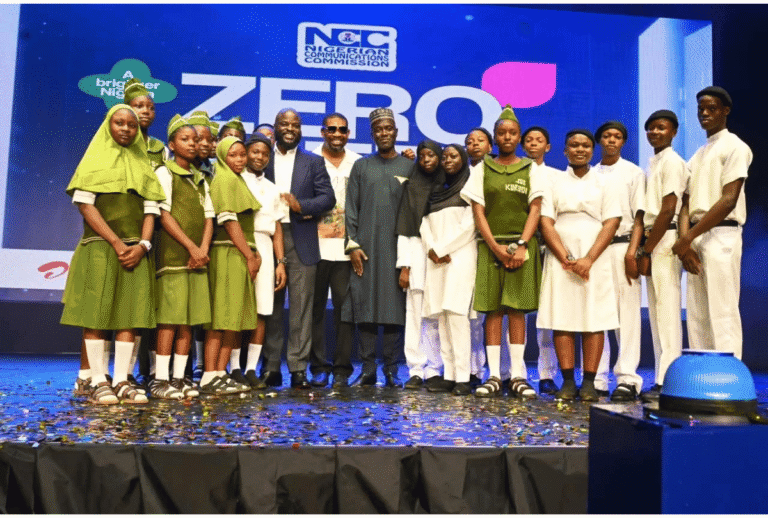
Nigeria stands at a critical point in its educational evolution as policymakers, educators, industry leaders, and technology experts come together to shape the future of learning. With the rapid evolution of artificial intelligence globally and its increasing relevance in the workplace, the Federal Government has unveiled plans to redesign the national school curriculum to prepare students for jobs that will exist in 2030 and beyond. This effort reflects a growing national consensus that education must be retooled to deliver not only knowledge but also practical skills that will make Nigerian youth competitive in a technology-driven economy and empower them to thrive in an era where digital competencies have become central to employability.
The drive for a curriculum that aligns with future job demands comes against the backdrop of global labour markets shifting rapidly under the influence of artificial intelligence, machine learning, automation and other advanced technologies. Recent industry evidence shows that as much as forty per cent of existing jobs could change significantly by the end of this decade, creating new roles and transforming existing ones. Nigerian experts warn that failing to address these shifts could leave the country’s young workforce unprepared and at a competitive disadvantage internationally.
In response, the Ministry of Education, in collaboration with other government agencies, international organisations, private sector partners and civil society, has initiated an ambitious overhaul of the curriculum across basic, junior and senior secondary schools. The aim is to enhance digital literacy, embed artificial intelligence education throughout learning pathways, and ensure students are equipped with the skills and mindset required to succeed in jobs that have been reshaped by technological progress.
The redesign is rooted in an awareness that schooling must be relevant to the economic realities of the present as well as the future. Traditional education systems that prioritise memorisation and theory without technological context are fast becoming obsolete. In their place, Nigerian educators are introducing content that blends foundational knowledge with technology awareness, problem-solving, creativity, and practical application. This change is not merely cosmetic. It is a profound shift in how the country views education as a key pillar of national development.

A Curriculum Built Around the Future of Work
At the heart of Nigeria’s curriculum reform is the integration of digital literacy and tech-related competencies from the early years of schooling. According to official announcements, the new curriculum will incorporate subjects such as programming, cybersecurity, data science, robotics and artificial intelligence into the standard syllabus. These subjects are not just optional extras but core elements designed to give learners exposure to real-world technologies and tools.
Junior secondary students, for example, will now encounter digital literacy and entrepreneurship courses that encourage them to understand and use technology constructively. These courses teach basic digital skills, communication technologies and introduce students to the ways AI is reshaping sectors such as agriculture, finance, healthcare and education itself. At the senior secondary level, students are exposed to more advanced content, including programming languages, machine learning principles, data analytics and digital ethics. This layered approach helps build a progressive learning journey rather than isolated lessons.
The emphasis on real-world application is deliberate. Government sources explain that Nigeria’s future workforce must be capable of not just theoretical understanding but practical problem-solving. To achieve this, the curriculum embeds project-based learning and practical assignments. Students are encouraged to work on technology-driven projects that reflect real issues in their communities, from designing simple automation systems to analysing data for insights. This method teaches students to think creatively and adapt what they learn to tangible outcomes.
Implementation of the new curriculum goes hand in hand with efforts to upgrade teaching capacity. Recognising that educators themselves must be equipped to teach these new subjects, training programs have been launched to upskill teachers across the country. Partnerships with organisations such as the Raspberry Pi Foundation and local tech initiatives have enabled the training of thousands of teachers in AI literacy and practical tech instruction. These teacher training programs aim to create a multiplier effect so that a growing number of students can benefit.
Efforts are also underway to close the existing knowledge gap among educators and future professionals. With support from global technology partners and grants, Nigeria is working to train tens of thousands of educators in digital and AI skills. These investments are part of a broader strategy to leverage the country’s youthful population in building a vibrant digital economy.
Stakeholder Support and Challenges Ahead
The curriculum overhaul has attracted support from a broad range of stakeholders. Education experts praise the inclusion of interdisciplinary learning that ties AI principles with mathematics, science, business studies and creative arts. This blending of subjects helps students appreciate how AI can be applied across diverse fields and encourages innovative and entrepreneurial thinking. Industry leaders have welcomed the reforms as well, noting that graduates with AI awareness are far more likely to secure high-paying jobs and to contribute meaningfully to the digital economy.
Private sector actors, non-governmental organisations and international partners have joined the conversation. Projects aimed at making AI understandable, usable and ethical for learners of all ages have been launched in various states. These programmes emphasise not just the technical aspects of AI but also safety, ethical considerations and critical thinking. Education advocates have stressed that an inclusive approach is essential so that all Nigerian students, regardless of their socioeconomic background, can participate in the benefits of this transformation.
Yet the path ahead is not without obstacles. One major challenge lies in the readiness of infrastructure across Nigerian schools. Many public schools still lack reliable access to power, internet connectivity and modern computing equipment. Without adequate infrastructure, delivering an AI-enriched curriculum remains difficult. To mitigate this, partnerships with private technology companies and state governments are being pursued to improve digital access and equip more classrooms with the tools needed for learning.
Another concern is the need for continuous professional development. While initial teacher training has begun, ongoing support and resources will be required to ensure teachers can keep pace with technological advancements. Curriculum designers and education policymakers acknowledge that periodic review and updates are necessary to reflect global trends and to stay ahead of emerging job market demands.
Equity in access to quality education is also a central issue. Efforts are being made to ensure that rural and underserved communities are not left behind. Mobile training units, community centre collaborations, and targeted outreach programmes are part of the strategy to extend the impact of curriculum reforms beyond urban centres.

Implications for Nigeria’s Future Economy and Work Force
If successfully implemented, the curriculum redesign has the potential to redefine Nigeria’s talent pipeline for the twenty-first century. Students who grow up with AI awareness and practical digital skills will be better positioned to enter jobs that require critical thinking, creativity and technological fluency. The reforms are expected to enhance employability for young Nigerians and to contribute to a reduction in unemployment among youth.
By preparing millions of learners for participation in the global digital economy, Nigeria aims to attract tech investments, stimulate innovation and foster the growth of indigenous tech companies. The inclusion of entrepreneurship education alongside technology subjects also encourages graduates to create their own opportunities instead of relying solely on formal employment. This entrepreneurial orientation may fuel a new generation of startups, innovators, and problem solvers rooted in Nigeria’s rich human capital.
Economists and development experts say that Nigeria stands to benefit economically if its labour force can adapt to the demands of AI-driven industries. With projections that artificial intelligence could contribute trillions to the African economy, an AI-literate workforce could be a major asset in capturing a share of that potential growth.
The reforms also reflect an essential shift in the national mindset. Education is no longer seen merely as a pathway to employment but as a strategic investment in human capital that drives national competitiveness. Workers who understand digital tools are not just more employable locally but are also able to compete on the global stage. This positions Nigeria favourably in the race for technology leadership in Africa and beyond.
As the country moves toward full implementation of its redesigned curriculum, much work remains. Ongoing collaboration between government, educators, industry, parents and students will be crucial. Effective feedback mechanisms, regular curriculum reviews and investments in infrastructure will help ensure that Nigeria’s ambition to prepare students for an AI-enriched job market by 2030 becomes a reality.
The redesign signals a bold step in aligning education with the future of work. In a moment of rapid global technological change, Nigeria is placing its youth at the centre of its development strategy. If successful, this initiative may well serve as a model for other developing nations seeking to empower their learners for a future where artificial intelligence and digital skills are foundational to opportunity and success.
Join Our Social Media Channels:
WhatsApp: NaijaEyes
Facebook: NaijaEyes
Twitter: NaijaEyes
Instagram: NaijaEyes
TikTok: NaijaEyes