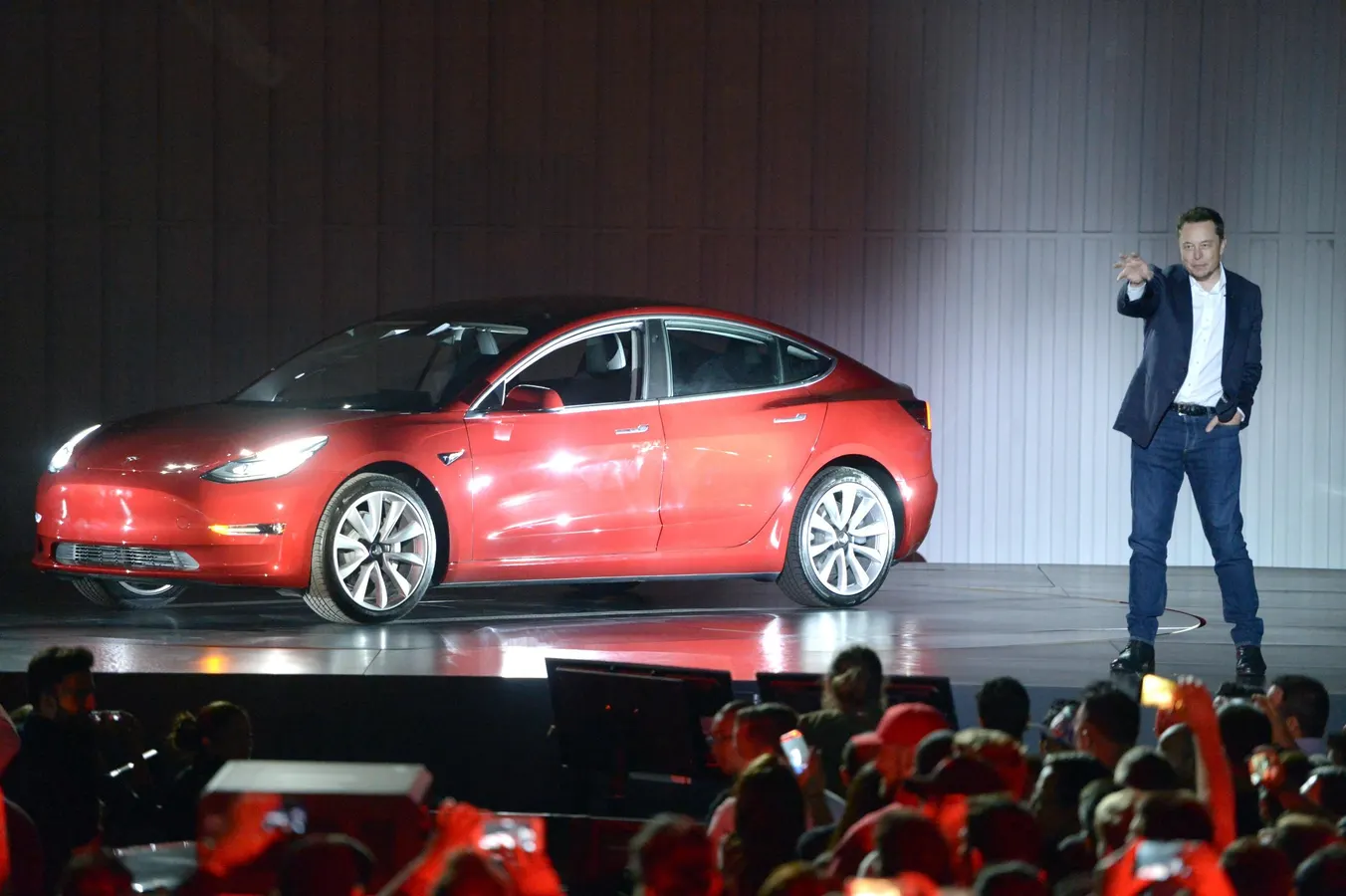

In a move that has captured the attention of investors, tech watchers and mobility experts around the world, Tesla has signposted a bold shift in its identity and business direction. According to TechCrunch, the company that once defined the electric vehicle revolution under its charismatic CEO, Elon Musk, is now aggressively repositioning itself from an automaker to a player in artificial intelligence and advanced robotics. This change in strategy has implications not just for Tesla’s bottom line but also for how the broader technology and mobility sectors may evolve through the rest of this decade.
The shift became clearer with the release of Tesla’s 2025 full-year results and accompanying strategic outlook for 2026. Although total revenue was almost $95 billion last year, roughly 73 per cent of that came from selling and leasing electric vehicles, along with regulatory credits. This starkly highlights that the company’s core activity remains electric vehicle sales despite Musk’s public vision of Tesla as a multifaceted AI and robotics leader.
Financial pressures are adding intensity to this rebranding push. Tesla’s profits in 2025 were significantly lower than the prior year, in part driven by declining deliveries and higher investments into future technologies. Musk’s response has been to signal a record capital expenditure budget for 2026, more than doubling planned investment to an estimated $20 billion. While this could put pressure on cash flow in the short term, Tesla’s leadership insists it is necessary to build the infrastructure and technology of the future.
The End of an Era for Model S and Model X
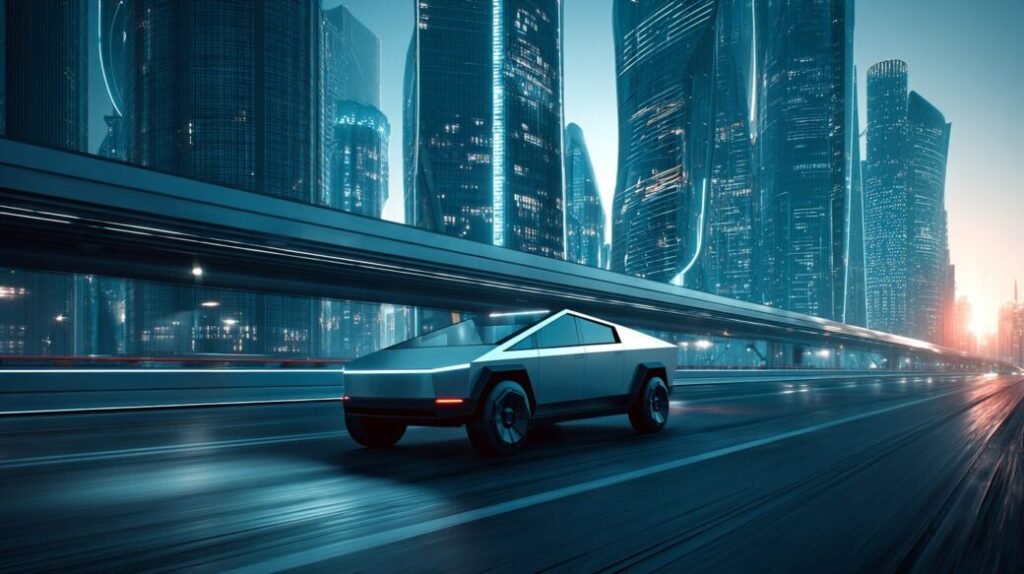
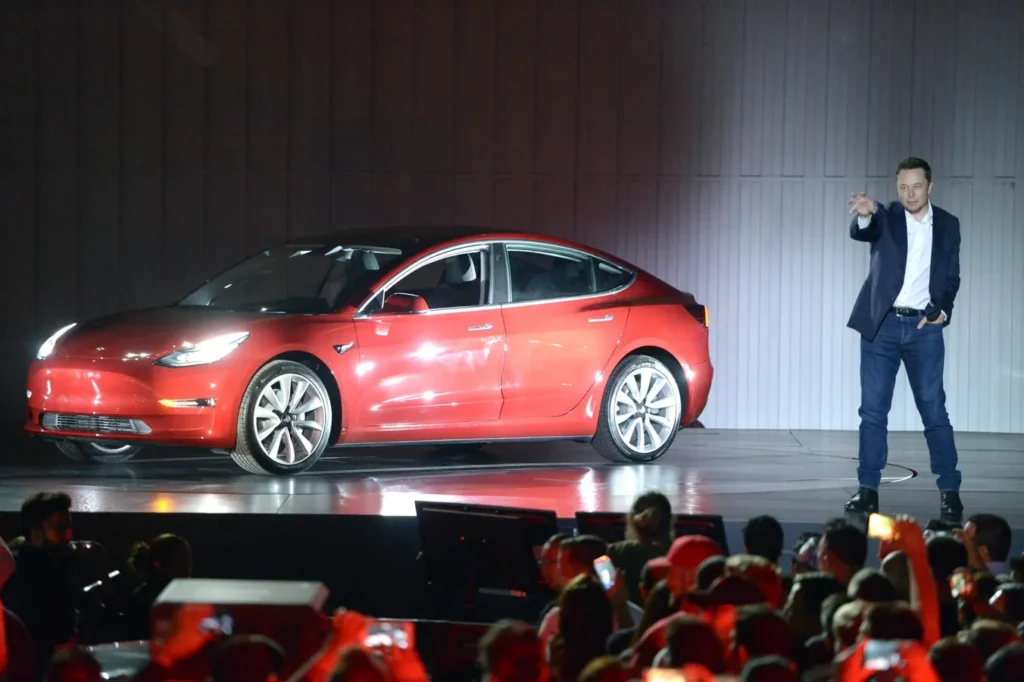
One of the most visible and symbolic elements of Tesla’s transformation is the decision to stop producing two of its most iconic electric vehicles: the Model S and the Model X. These flagship products helped define Tesla’s premium brand image for over a decade. Although they only represented about 2 percent of total unit sales, their discontinuation marks a clear pivot in the company’s product strategy.
Industry analysts see this as a moment of transition. What once was a defining chapter in electric vehicle history will soon be relegated to the past, and the spotlight is now on what Tesla plans to build next. Chief among these new priorities are humanoid robots built around the Optimus platform, which the company intends to produce at its Fremont, California, facility. Though this technology remains early stage, it is central to Musk’s broader vision of a company that leads the worlds of artificial intelligence, robotics and advanced computing.
Alongside Optimus, Tesla plans to expand the rollout of what it calls robotaxis in major cities during 2026. These self-driving vehicles are part of a global race to unlock autonomous mobility at scale. To support these ambitions, Musk has even floated proposals for new manufacturing facilities dedicated to semiconductor production, which could help shield Tesla from ongoing supply chain disruptions in critical chip technology.
Internal Realignment and Broader Tech Ecosystem Moves
Beyond these product and production shifts, Tesla’s rebranding narrative is also playing out in how the company relates to other parts of Elon Musk’s sprawling business empire. Reports indicate that Tesla plans to invest a significant sum into xAI, the artificial intelligence company founded by Musk and others. There are even discussions in the tech press about the possibility of closer cooperation or eventual merger between Tesla, xAI and SpaceX. If any such integration were to happen, it would create a singular entity with interests spanning electric vehicles, robotics, AI and space technology.
This internal alignment is coupled with an awareness of the competitive landscape. Other autonomous vehicle companies, such as Waymo and Waabi, continue to secure significant funding and strategic partnerships. Waabi, for instance, recently raised nearly $750 million in Series C funding with additional milestone capital from ride-hailing giant Uber, aimed at deploying tens of thousands of robotaxis on its platform. Such moves spotlight the intensity of the race to dominate autonomous driving technologies.
The broader mobility sector also features noteworthy developments. Startups like Gatik AI have secured substantial revenue-generating deals for autonomous middle-mile transport services that operate without human drivers. Meanwhile, established players such as Luminar have shifted assets and received investment from firms looking to build next-generation sensing solutions for autonomous systems. These ongoing developments reflect a rapidly evolving ecosystem where Tesla is one of many competing forces.
What This Means for the Future of Transportation
Tesla’s rebranding strategy comes at a time of introspection for the electric vehicle and mobility industry as a whole. The company’s pivot from its roots as a carmaker to a broader technology platform underscores the fluidity of how mobility products and services are being defined in the 2020s. Sustained investment in AI, robotics and autonomous platforms signals that the future may look very different from today’s traditional automotive model.
For consumers, investors and policymakers in markets like Nigeria and beyond, the developments at Tesla raise important questions. Will electric vehicles remain the centrepiece of future mobility, or will fleets of autonomous pod taxis and humanoid robots become the norm in urban centres? Will Tesla’s aggressive repositioning pay off, or will established automotive and technology companies overtake it in the race to define next-generation mobility?
In the short term, Tesla’s performance in the EV segment still matters because it underpins the company’s ability to fund its big bets on emerging technologies. But over the longer term, the focus on AI and robotics could shape not just how we travel but also how industries that depend on automation and smart systems evolve. This transformation is one of the most closely watched stories in global tech today and is likely to influence how other companies in the sector think about their own identities and futures.
As 2026 unfolds, all eyes will be on how Tesla balances these ambitions with financial discipline and competitive pressures. The journey from electric vehicles to a broader technological identity is already underway and is set to be one of the defining narratives of this decade in mobility innovation.
Join Our Social Media Channels:
WhatsApp: NaijaEyes
Facebook: NaijaEyes
Twitter: NaijaEyes
Instagram: NaijaEyes
TikTok: NaijaEyes