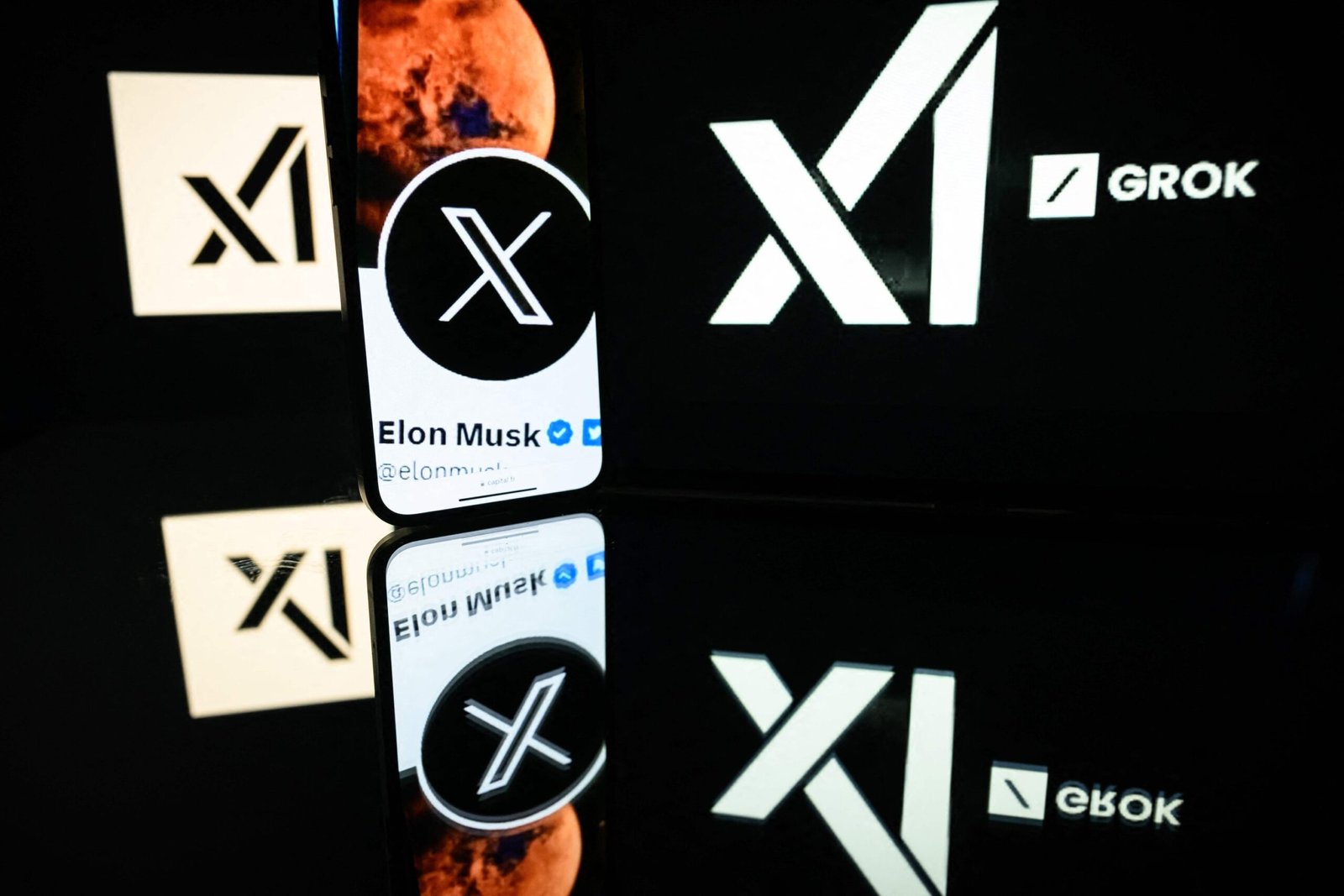

Paris has become the centre of a major legal confrontation between French law enforcement and X, the social media platform owned by billionaire Elon Musk. On Tuesday, France’s cybercrime unit conducted a detailed search of X’s offices in the French capital as part of a sweeping criminal investigation that has now drawn in Elon Musk himself. The Paris public prosecutor’s office confirmed that both Musk and X’s former chief executive, Linda Yaccarino, have been summoned to appear for questioning in April 2026 in connection with the probe, as reported by The Local France.
The investigation was first opened in January 2025 following complaints about the platform’s algorithm and the way content is recommended and disseminated to users. The office said the search, carried out with the support of Europol and France’s national cybercrime police, aims to gather evidence relevant to suspected breaches of French law. In a statement published on social media, the prosecutor’s office also announced it would no longer use X to communicate, and urged users to follow its updates on LinkedIn and Instagram instead.

France has growing concerns over algorithm bias and content
The legal action stems from two formal complaints filed in early 2025 that alleged serious issues with X’s operations. One complaint came from Eric Bothorel, a member of the French National Assembly and supporter of President Emmanuel Macron’s political movement, who raised concerns about the platform’s algorithm. Bothorel’s grievance highlighted a perceived reduction in diversity of voices and options on X, alongside what he described as Musk’s personal interventions in the company’s decision-making since acquiring the platform in 2022.
Beyond questions of political influence, the investigation has broadened to cover problems linked to X’s AI technology. French prosecutors say they are examining the role of Grok, X’s artificial intelligence chatbot, which has been accused of generating content that could potentially violate French law. Reports cited by authorities involved posts that allegedly contained Holocaust denial and sexually explicit deepfake material, including images that appeared to involve minors without consent.
These developments come amid wider regulatory scrutiny of tech platforms across Europe, with the European Commission previously launching its own probe into X’s compliance with the Digital Services Act. This law requires online services operating within the European Union to take strong measures against harmful and unlawful content. French authorities and EU officials alike have emphasised the importance of enforcing digital safety standards on global platforms that reach millions of users.
The summons to Elon Musk and former X leadership
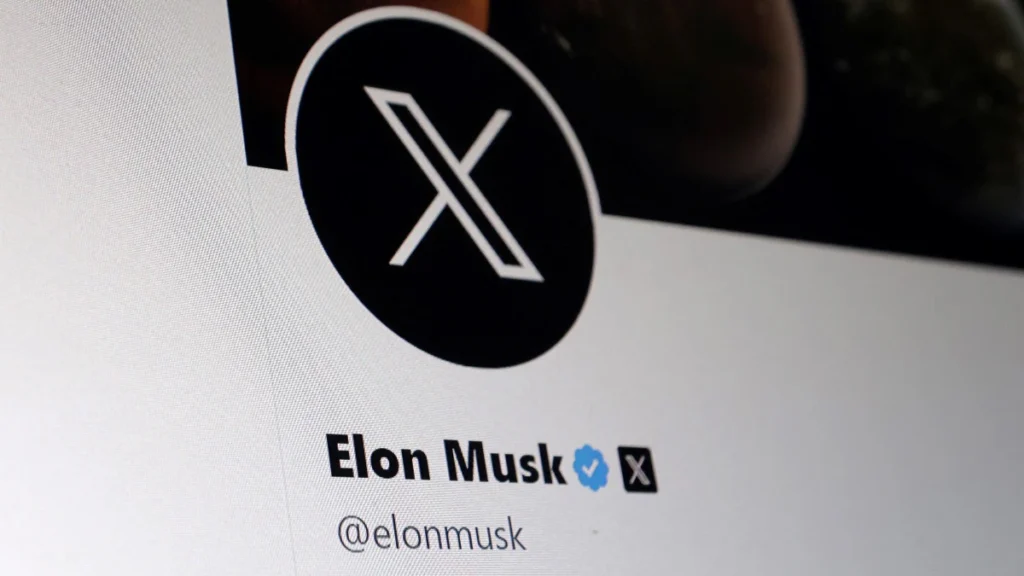
As part of the unfolding legal process, the Paris prosecutor’s office issued summonses for Elon Musk and Linda Yaccarino to attend what it described as “voluntary hearings” scheduled for 20 April 2026. Yaccarino, who resigned as X’s CEO in July 2025 after two years in charge, is expected to appear alongside Musk in Paris. Authorities have also indicated that X employees will be called in as witnesses to provide testimony related to the ongoing investigation.
While the summons are technically voluntary, legal experts note that France’s judicial system allows for the questioning of individuals in connection with ongoing investigations. It remains unclear how French authorities will secure the attendance of Musk, a South African-born American citizen and resident outside the country, if he chooses not to travel to France for the hearing.
X itself has not issued an official response to the raid or the summons. In previous statements relating to the investigation, the company’s representatives described the legal action as unwarranted and politically motivated. X’s director for France has defended the platform’s policies and insisted that the company maintains strict rules to protect users from hate speech and misinformation.
Wider implications for tech companies and regulation
The raid on X’s offices and the involvement of Elon Musk mark a significant moment in the escalating tensions between global technology companies and national regulators. France is among several European countries that have taken an assertive stance against online disinformation, harmful content, and algorithmic practices they believe threaten democratic processes and public safety. Regulators are increasingly focused on holding platforms accountable for the outputs of their algorithms and the behaviour of automated tools like Grok.
Legal scholars and digital rights advocates point out that this case could set important precedents for how tech firms are monitored and regulated internationally. If French authorities pursue charges linked to content dissemination, data processing, or algorithmic manipulation, the case could trigger similar investigations in other jurisdictions. European regulators have already fined X hundreds of millions of euros in past enforcement actions related to safety and misinformation standards.
The outcome of the Paris hearings in April will be watched closely by governments, civil society groups, and the tech industry. It highlights the growing expectation that global platforms must comply with local laws wherever they operate, and that executives may be called to account for the systems their companies design and deploy. In an era where digital platforms shape public discourse and perceptions, questions around responsibility and governance continue to take centre stage in regulatory debates around the world.
Join Our Social Media Channels:
WhatsApp: NaijaEyes
Facebook: NaijaEyes
Twitter: NaijaEyes
Instagram: NaijaEyes
TikTok: NaijaEyes