Artificial intelligence is reshaping healthcare around the world. The excitement is real as powerful algorithms start to help with tasks that were once exclusive to humans. But real progress in medicine is not just about clever code. It requires the careful involvement of people who understand patients, diseases, and the complexity of clinical care. As new technology spreads, the most effective and reliable AI systems will be those built with the hands and minds of doctors guiding every step.
Why Doctors Matter in AI Healthcare Technology
Artificial intelligence is already making waves in healthcare with tools that can listen, record, summarise, and support decisions. These technologies are no longer futuristic. They are here now, helping with everything from transcribing notes to analysing large volumes of medical data. Yet medical practice is more than neat patterns and clean data. Real-life consultations are messy. Patients mix languages, leave out details, pause, laugh, cough, or change their stories midway. According to TNGlobal, no matter how advanced an AI model may be, it struggles to interpret these subtleties unless humans have shaped its design.
Doctors do much more than diagnose and prescribe. They understand context, read between the lines, and translate symptoms into action. While AI can detect patterns, it often lacks the practical and cultural understanding that comes from direct patient care. That is where clinicians become indispensable partners in building technology that truly works in the real world.
Doctors can point out what’s clinically valuable and what is just noise. They highlight what is not relevant or what might confuse rather than help. For example, an AI system that performs perfectly in a controlled trial might fail in a busy clinic with unpredictable patient interactions. By engaging clinicians early, developers learn to build AI that respects the complexity of patient conversations and everyday practice.
Lessons from Around the World
Across different regions and health systems, the same lesson emerges: technology that excludes medical professionals often fails to gain trust or deliver value. In Southeast Asia, where multilingual clinics may use Malay, English, Mandarin, and local dialects, AI must be designed to understand different speech patterns and nuances. In Australia, telehealth faced scepticism until doctors began shaping how it worked, leading to wider acceptance and better outcomes. In Europe, strong regulatory environments helped developers refine their tools and build trust among clinicians and patients alike.
These experiences show that local doctors don’t just improve technology, they make it inclusive and culturally aware. Without this guidance, AI can misinterpret crucial details or provide misleading suggestions. Reliable healthcare technology must reflect real clinical workflows, not idealised scenarios in research labs.
Doctors also help define what success looks like. An algorithm might be technically accurate but clinically irrelevant or distracting. Clinicians evaluate whether recommendations make sense, whether alerts are helpful and timely, and whether the tool integrates smoothly into routine care. Their input ensures that technology amplifies human skills rather than interrupts or replaces them.
Trust, Transparency and Patient Safety
Trust is a central issue in medical AI. Many doctors will only rely on tools they can understand and explain. Black box models that hide how they reach conclusions generate scepticism and risk patient safety. When clinicians can see the reasoning behind an AI suggestion, they are better equipped to judge its relevance and reliability. This transparency supports informed decisions and promotes trust among patients who depend on their doctors for sound advice.
To foster trust, AI systems must also fit into existing healthcare structures. Seamless integration with electronic records and other clinical systems prevents duplication of work and reduces administrative burdens. If tools create extra steps or separate data silos, doctors quickly resist their use. True reliability comes when AI feels like a helpful assistant in everyday tasks, not a burden.
For patients, trust often begins with their doctor’s endorsement. People prefer explanations and guidance from those they know and have confidence in. Studies show that most patients value personal interaction and are uncomfortable receiving important medical information from AI alone. In recent research, only a tiny fraction of patients said they would trust AI chatbots as their main source of medical advice.
Patient safety is another area where clinician involvement matters greatly. A machine is only as good as the data and instructions it receives. Without careful supervision, AI can mislead or suggest inappropriate actions. Medical professionals play a critical role in checking, validating and contextualising AI recommendations, making sure they align with best practice and ethical standards.
Building AI That Enhances Human Skills
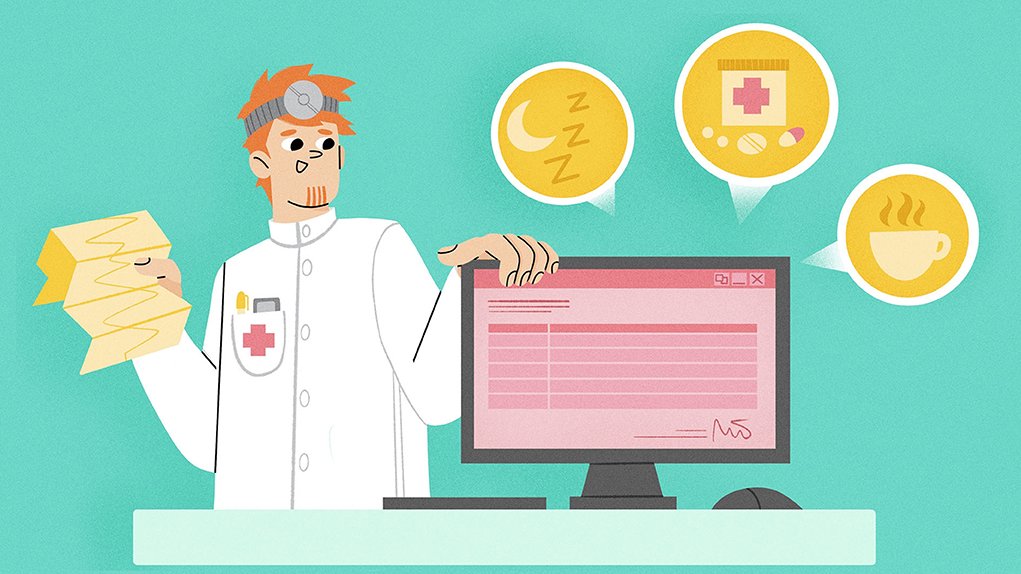
One of the key benefits of AI in healthcare is its ability to take over repetitive tasks that weigh doctors down. Tasks such as documentation, appointment scheduling and basic data processing can take clinicians away from patients. By handling these functions, AI can free up time for doctors to focus on the aspects of care that truly require human judgment and empathy.
However, technology should be designed to enhance, not erode, medical expertise. Over-reliance on AI could lead to skill erosion, where doctors lose sharpness in their core competencies. For example, a study warned that routine use of AI might decrease diagnostic skills if clinicians defer too heavily to the system. Balancing the convenience of AI with continued human engagement ensures that doctors remain skilled, vigilant, and fully engaged in patient care.
To achieve this balance, developers must work closely with doctors from the earliest design stages. This includes co-designing workflows, testing systems in real clinical environments, and iterating based on feedback from actual users. Such collaboration reduces the risk of tools that look good on paper but fail when faced with the complexity of real patients.
Looking Ahead
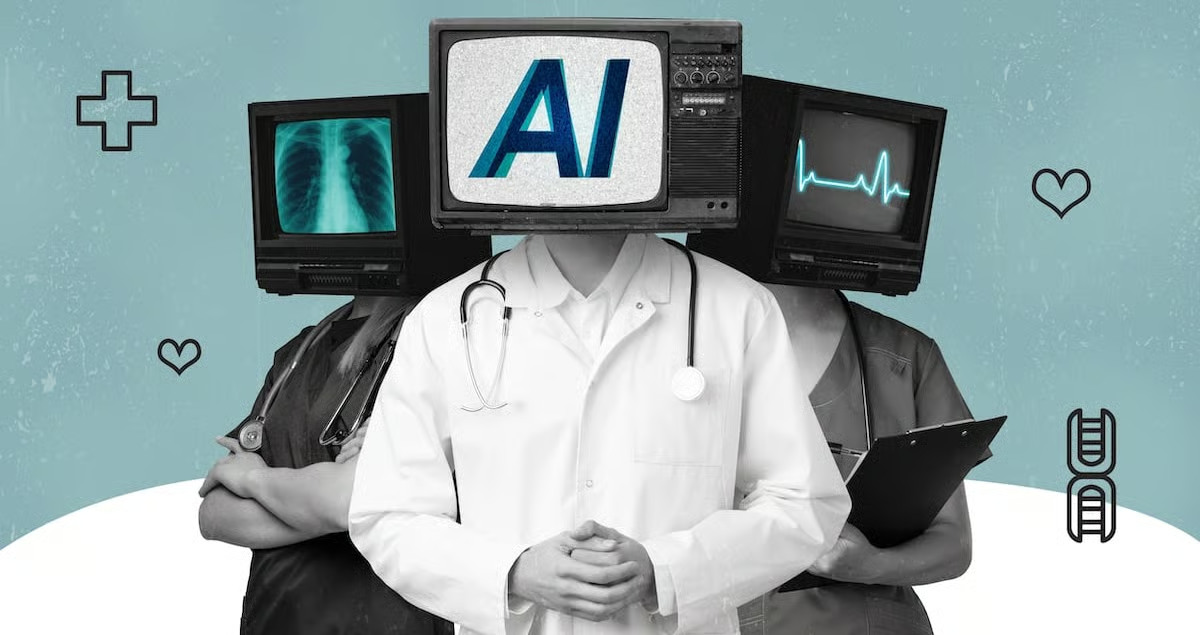
The future of AI in healthcare will be determined not by algorithms alone, but by the partnerships that shape them. When doctors, engineers, and regulators work together, the technology becomes safer, more inclusive, and more aligned with patient needs. The real measure of success will be how well AI complements the judgment, compassion, and nuanced understanding that only human clinicians can provide.
As healthcare embraces innovation, it must stay grounded in clinical reality. Context matters. Cultural sensitivity matters. Human judgment matters. Technology that ignores these truths risks becoming irrelevant or even dangerous.
In the end, the most reliable and impactful healthcare technology will be built when doctors are not just users, but creators. By ensuring that clinicians have a seat at the table from design to deployment, healthcare systems everywhere can benefit from AI that truly supports better care for patients. In this partnership, technology becomes not a substitute for human skills, but a powerful ally in delivering safer, more effective healthcare for all.
Join Our Social Media Channels:
WhatsApp: NaijaEyes
Facebook: NaijaEyes
Twitter: NaijaEyes
Instagram: NaijaEyes
TikTok: NaijaEyes