CBN goes full throttle with the S4 system for government securities.
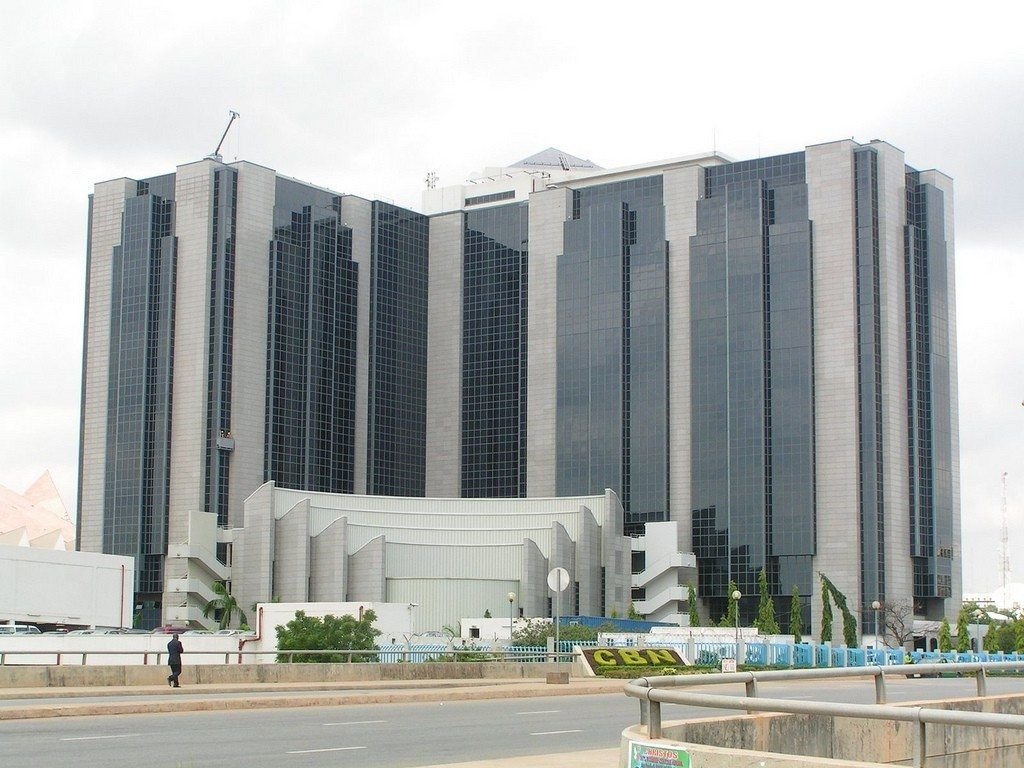
The Central Bank of Nigeria is clearly not joking when it comes to the total modernization of our financial markets. The latest big news from the apex bank is that they have successfully completed the full deployment of the System for Securities Settlement, popularly known as the S4, for primary auctions.
If you have been following the “wuru-wuru” that sometimes plagues financial systems, you will appreciate why this is a big deal.
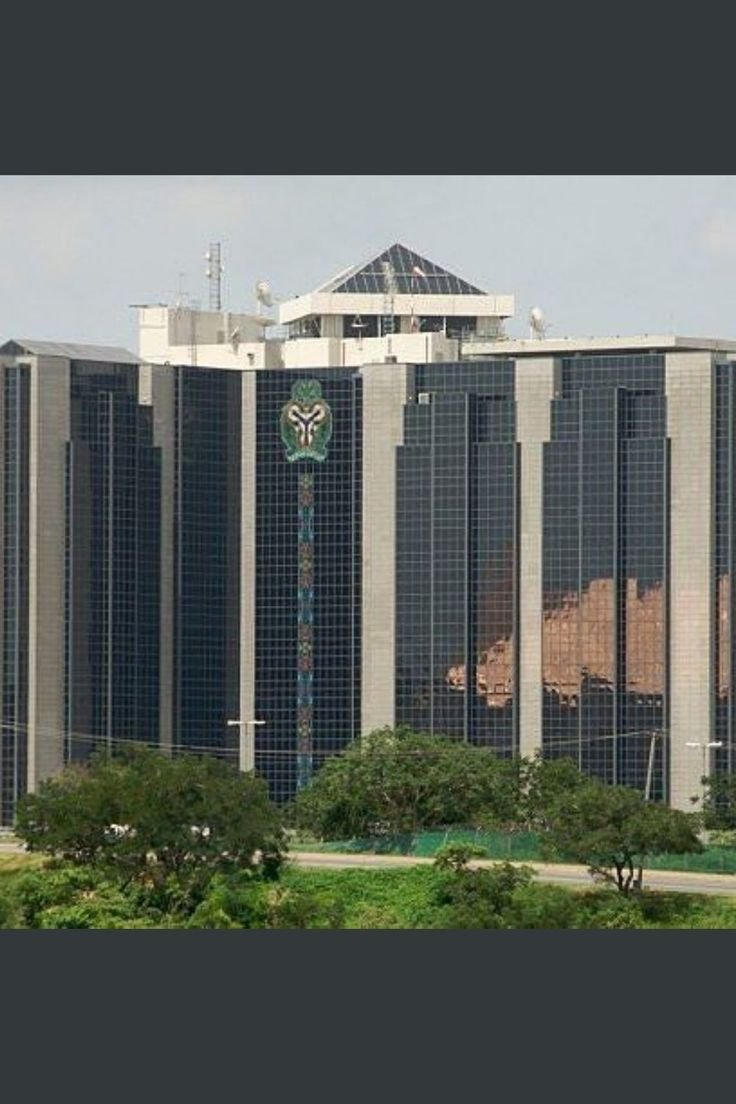
As an editor who has monitored the Nigerian economy for years, I can tell you that this move is all about bringing “sanity” and speed to how government debt instruments are handled. This is not just some random technical update; it is a fundamental shift in how the CBN manages the country’s financial plumbing to ensure that every kobo is accounted for in a transparent and efficient manner.
How the S4 system is changing the game for primary auctions.
For those who might find the term S4 a bit like “big grammar,” let me break down the “koko” of the matter. This system is the digital engine that handles the bidding and settlement of government securities like Treasury Bills. Before now, the process could sometimes be a bit sluggish, but with the S4 fully in charge, we are looking at real time processing.
This means that the “wahala” of delayed settlements for banks and investors is becoming a thing of the past. The CBN has confirmed that the system is now robust enough to handle the pressure of primary auctions without breaking a sweat.
It is all about making the Nigerian financial market look “correct” in the eyes of the international community, proving that we can run a system that is as sharp as what you find in London or New York.
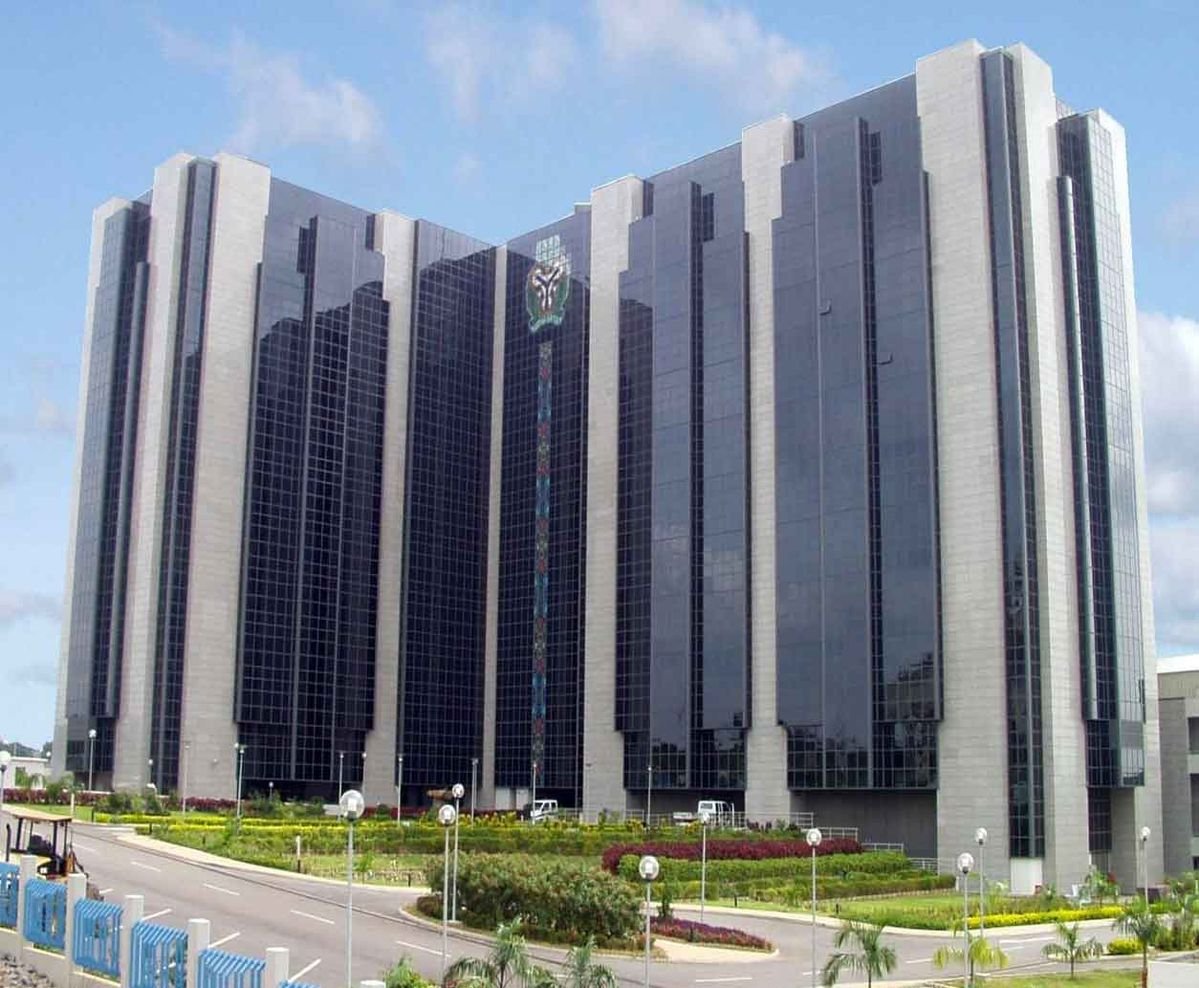
Moving the focus to the secondary market for total transparency.
The CBN is not just stopping at the primary market level. They have already started “eyeing” the secondary market for a similar digital takeover.
This is where the real action happens for many institutional investors who buy and sell these securities after they have been issued. The plan is to ensure that the S4 system eventually covers the entire lifecycle of a security.
By doing this, the CBN wants to create a seamless link that eliminates any gaps where manual errors or lack of transparency could creep in. For the professional investor, this means more “liver” to put money into the Nigerian market because they know that the secondary market trading will be backed by a system that is fast, reliable, and almost impossible to manipulate.
What this digital shift means for the Nigerian financial landscape.
At the end of the day, all these technical upgrades have a very human impact on our economy. A transparent and efficient financial market is the backbone of a stable Naira and a growing GDP. When the CBN uses tools like the S4 to stabilize how government borrows money, it indirectly affects everything from inflation to the interest rates that your local bank charges you.
As we look at the progress being made in February 2026, it is clear that the “ginger” to digitize the economy is at an all-time high. This deployment sends a strong signal to the world that Nigeria is ready for business and that our financial house is being put in order.
It is a win for the regulators, a win for the banks, and ultimately, a win for the Nigerian economy as we strive for a future where technology makes things easier for everyone.
Join Our Social Media Channels:
WhatsApp: NaijaEyes
Facebook: NaijaEyes
Twitter: NaijaEyes
Instagram: NaijaEyes
TikTok: NaijaEyes