Nigeria’s digital landscape is entering a major phase of transformation with nationwide infrastructure enhancements planned to take effect by 2027. The Minister of Communications, Innovation and Digital Economy, Dr Bosun Tijani, has confirmed that the Federal Government is accelerating investments that will significantly improve internet access, bridge digital divides, and strengthen the technology backbone across the country.
Speaking during the Flagship Nigeria: Electrification + Connectivity Convening in Abuja, the minister detailed ambitious infrastructure projects that are already underway and that will begin delivering meaningful results in the coming months. These efforts aim to bring millions more Nigerians online and expand access beyond urban centres into rural localities that have been underserved for years.
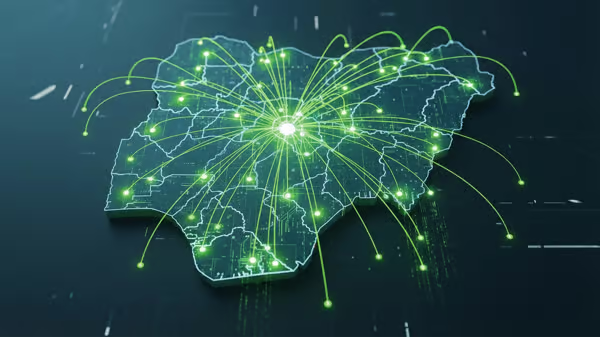
At the heart of this strategy is a comprehensive expansion of digital infrastructure that includes laying tens of thousands of kilometres of fibre, deploying new communication satellites and erecting thousands of additional telecom towers. According to Tijani, these initiatives have been structured to address the root causes of Nigeria’s connectivity challenges while setting up the nation for long-term digital growth.
What the Infrastructure Push Means for Nigerians
Officials say the digital rollout will benefit sectors ranging from education to healthcare and commerce by expanding internet reach and lowering costs. According to the minister, around 20 million Nigerians who currently lack reliable internet access at home will start experiencing consistent connectivity once the new infrastructure components come online.
A key component of the government’s plan is the expansion of fibre-optic networks. The Federal Government, with support from partners including the World Bank, is investing in about 90,000 kilometres of fibre-optic cable. This massive buildout is expected to enhance broadband quality and reach across Nigeria, particularly in areas where high-speed data remains limited.
In addition to fibre expansion, the government is increasing rural connectivity by installing 3,700 additional telecom towers in underserved communities. This effort complements free market deployment by private telecom operators and directly targets gaps in mobile internet coverage.
Minister Tijani also assured Nigerians that new communication satellites will be procured to replace ageing equipment and extend coverage to remote locations that terrestrial infrastructure struggles to serve. This satellite rollout is designed as a multi-layered approach to ensure consistent connectivity even in areas with difficult terrain or limited urban development.
Partnership, Skills and Broader Digital Growth
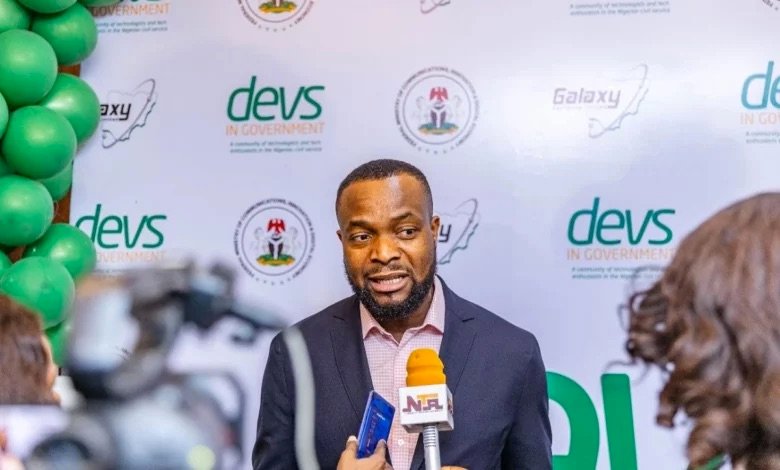
The government’s vision goes beyond just physical infrastructure. Digital skills development features prominently in the national strategy, with programmes designed to prepare Nigerians to take advantage of the expanding digital ecosystem. The Three Million Technical Talent (3MTT) initiative, for example, aims to equip young people with in-demand digital skills such as data analysis, cloud computing and digital marketing.
The first phases of 3MTT have already seen significant enrolment, and future cohorts will continue to build a digitally literate workforce capable of supporting Nigeria’s digital economy. Training in areas like customer relationship management, project management tools and graphics design is part of this broader educational push designed to make infrastructure investments sustainable and inclusive.
Dr Tijani highlighted that infrastructure alone is not enough without a workforce ready to use it. This dual emphasis on connectivity and skills aligns with Nigeria’s ambition to expand digital service uptake in both public and private sectors.
Challenges and Wider Economic Impacts
While the infrastructure expansion plan has received wide support, stakeholders caution that complementary services like reliable electricity and affordable devices must also improve for Nigerians to fully benefit. Without consistent power supply and accessible technology tools, digital services can remain out of reach for many households and businesses.
The World Bank and other development partners have reiterated their commitment to helping Nigeria close these gaps and ensure that connectivity and energy solutions move forward in tandem. The belief is that these combined investments will unlock significant economic value and support socio-economic development goals well beyond 2027.
Nigeria’s digital transformation agenda also dovetails with broader plans to grow the digital economy’s contribution to national output. For example, recent government projections suggest that the digital sector could contribute more than 20 per cent of GDP by 2027, reflecting its quickly rising importance in the national economy.
The target positions tech growth alongside traditional sectors, promoting a future in which digital services are not only widespread but vital to economic resilience and competitiveness. This aligns with the government’s broader goal of transitioning Nigeria towards a more diversified, technology-driven economy that benefits people in both urban and rural areas.

Looking Ahead
As Nigeria progresses toward the 2027 milestone, citizens and investors alike will be watching closely to see how these digital infrastructure investments translate into real outcomes. The early phases of fibre deployment, tower expansion and satellite upgrades are promising steps, underscoring a renewed commitment to narrowing the digital divide that has long affected millions of Nigerians.
Success will depend on continued collaboration between government, development partners and the private sector, as well as on policy decisions that support affordable access, local innovation and digital inclusion. If these plans unfold as envisioned, Nigeria’s digital environment could become a powerful accelerator of opportunity for citizens and businesses nationwide.
Join Our Social Media Channels:
WhatsApp: NaijaEyes
Facebook: NaijaEyes
Twitter: NaijaEyes
Instagram: NaijaEyes
TikTok: NaijaEyes