In a bold stride towards closing South Africa’s digital divide, Vodacom and its partners have breathed new life into a rural school in Butterworth, Eastern Cape. This project has reimagined education for learners who have long been left behind by limited infrastructure and scarce digital resources. The story of Tanga Senior Secondary School’s transformation offers a powerful example of how collaborative efforts are reshaping educational experiences in under-resourced communities.
A New Era for Rural Education with Vodacom
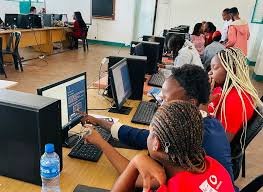
Tanga Senior Secondary School has never looked back since the Connect for Change Trust and Vodacom Foundation initiated an ambitious overhaul. The first phase was all about setting the stage for meaningful learning. Long-neglected facilities were upgraded and made safer. The classroom refurbishment created a future-ready computer lab that now stands ready to become a hub of digital opportunity. Pit latrines, once symbols of structural neglect common in rural schools, were replaced with proper ablution facilities, improving dignity and health for learners and teachers alike. Critical security enhancements were also installed to protect pupils and infrastructure. These changes were made with an investment of over R300,000.
It is clear that transforming learning environments goes far beyond installing hardware. By creating spaces where learners feel safe and supported, the groundwork has been set for greater educational participation. Educators and community members are already speaking about how the improved environment is uplifting spirits and aspirations at the school.
Mobilising Support for Phase Two
The next chapter of this initiative is focused on equipping the refurbished lab with the technology that will make digital learning fully possible for the learners at Tanga Senior Secondary. Computers, software, and internet-ready tools will be introduced to provide students with access to information, digital literacy skills, and practical experience that aligns with today’s educational and employment landscape. However, this phase needs additional funding. The target is R320,000, and the Connect for Change Trust has called on Vodacom customers to step in and contribute. Donations can be made through widely used channels such as the VodaPay app, SMS shortcodes, Vodacom stores, or online platforms. Contributions are flexible, ranging from small amounts of between R2 and R50, making it easier for many stakeholders to participate in the transformation process.
The fundraising appeal showcases a model of community engagement where everyday users of mobile services become part of a larger movement for educational equity. Every donation, no matter how small, represents a collective investment in the future of South Africa’s young people.
The Broader Purpose of Digital Inclusion
The Tanga school project is part of a wider strategic vision behind the Vodacom Foundation and the Connect for Change Trust. The Trust was formed with a clear purpose to uplift marginalised communities through three key pillars: humanitarian and welfare work, digital education, and healthcare for underprivileged children. Vodacom’s ethos of positive transformation emphasises that technology is not just a tool but a pathway to broader social and economic participation.
This community-driven trust has already made a significant impact beyond infrastructure. Through partnerships with organisations like the Lunchbox Fund, it has facilitated over 202,000 meals for vulnerable children. By addressing basic needs alongside educational development, the initiative recognises that learners cannot thrive unless their basic health and nutrition needs are also met.
The work at Tanga Senior Secondary School fits into a larger narrative that national and regional stakeholders have been building around digital education in South Africa. Across the country, telecommunications and technology partners are striving to empower learners in disadvantaged settings with digital skills, online learning platforms, and connectivity infrastructure. Programmes such as Vodacom’s Connected Digital Education and Digital Skills Hub offer classroom tools, data access, and learning resources designed to prepare young people for the demands of a global digital economy.
Expectations and Impact on Learners
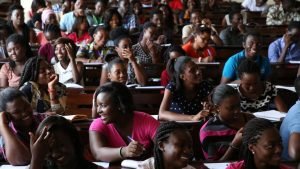
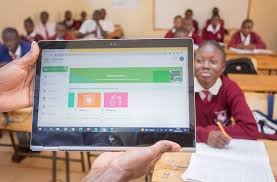
For hundreds of learners at Tanga Senior Secondary School, the prospect of working with digital tools is more than educational development. It signals hope and opportunity in areas where such prospects have historically been limited. Digital literacy is increasingly viewed as essential in preparing young people for future careers, whether in technology, business, or community leadership. Equipping learners with technology instils confidence and broadens their world beyond the classroom walls.
Teachers at the school are also hopeful about integrating these tools into their teaching practices. Access to digital resources allows for interactive lessons that can better engage students and support varied learning styles. Early exposure to technology can also demystify digital skills for learners who may otherwise never have had the opportunity to engage with modern educational tools.
Communities around the school are equally optimistic. Parents witnessing these changes have described a shift in expectations for their children’s educational journeys, noting that access to technology brings global opportunities within reach for rural learners. Schools like Tanga Senior Secondary may soon serve as examples for other communities pushing for similar upgrades.

Conclusion
The transformation of Tanga Senior Secondary School into a digital learning hub is a milestone in advancing inclusive education. The collaborative efforts of the Connect for Change Trust, Vodacom Foundation, and supporting community members illustrate what can be achieved when technology, funding, and purpose align. With the momentum gained from the first phase, there is renewed hope that digital learning can become an accessible reality for all learners, regardless of where they are based.
The call for contributions for the second phase represents an invitation to every stakeholder to be part of something bigger than themselves. What happens next at Tanga will not just influence the school but could set a precedent for how rural education evolves across South Africa and beyond.
If you would like to read more about similar digital education projects across the region or find ways to contribute to these transformations, I can share additional context and links.
Join Our Social Media Channels:
WhatsApp: NaijaEyes
Facebook: NaijaEyes
Twitter: NaijaEyes
Instagram: NaijaEyes
TikTok: NaijaEyes