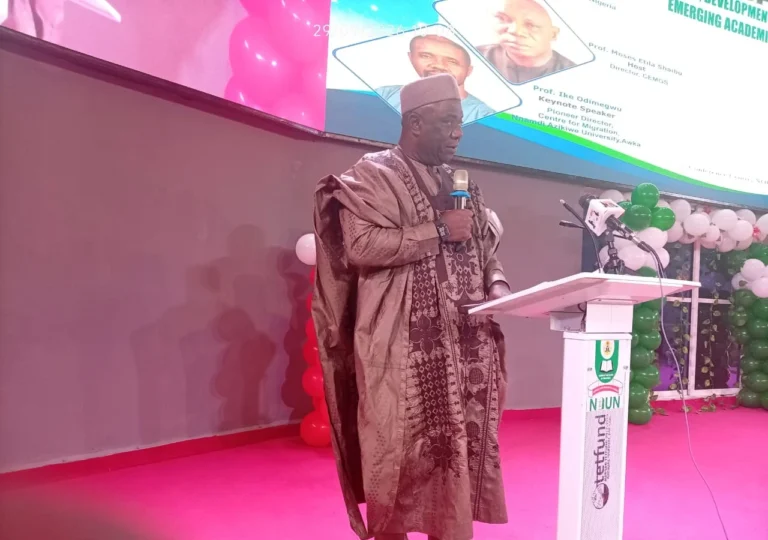
In a revealing discussion that has stirred fresh debate within the education sector, Professor Josiah Ajiboye, the immediate past Registrar of the Teachers’ Registration Council of Nigeria, has called for a comprehensive overhaul of the curriculum used in Nigeria’s Colleges of Education. His concern is rooted in the belief that current training programmes are not equipping future teachers with the skills needed to thrive in modern classrooms. This call for change, highlighted in a recent interview with BusinessDay, points to a deeper challenge in teacher quality and readiness for the demands of contemporary teaching.
Teacher quality stands as a pillar of any successful education system. Ajiboye emphasised that many educators in Nigeria today are struggling with basic digital literacy, an essential skill in classrooms that increasingly rely on information and communication technology. For learners born into a digital world, a teacher who cannot confidently integrate technology into lessons can severely limit the learning experience. Reforming the teacher training curriculum is a step towards bridging this gap and meeting global standards of education.
In his conversation with journalists, Ajiboye noted that part of the revision effort includes updating the National Certificate in Education (NCE) standards to reflect contemporary expectations for classroom delivery. The renewed curriculum emphasises awareness and ethical use of emerging technologies, data literacy, and adaptive digital teaching methods. The idea is to ensure that new teachers do not merely consume technology but use it as a tool to enhance learning.
The Urgent Need for Teacher Preparedness and Technology Integration
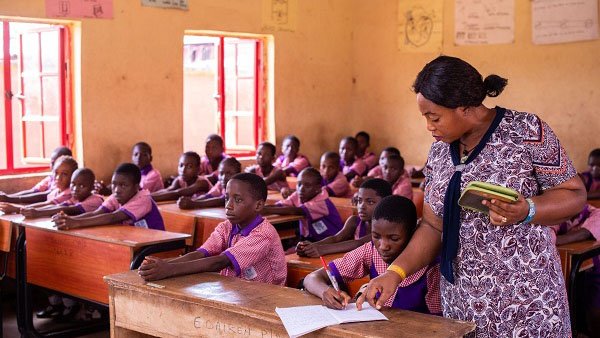
The lack of digital proficiency among teachers is not just a minor setback; it creates a significant barrier to effective teaching and learning. Ajiboye expressed that many teachers in Nigeria are yet to harness even basic digital tools for instruction, making it difficult to deliver content in ways that resonate with today’s students. ICT competence, therefore, is not an option but an urgent requirement for teachers preparing to enter the classrooms of the 21st century.
To tackle this, the proposed curriculum overhaul will prioritise training in digital skills as well as modern pedagogical practices that align with international benchmarks. The goal is for newly qualified teachers to be more than traditional instructors; they should be adaptable facilitators who can handle diverse learning environments and encourage students to think critically and creatively.
This shift also reflects global trends in education, where technology plays an increasingly central role. A study examining curriculum reform and teacher preparedness in the digital age concluded that outdated programmes and weak teacher training systems hinder educational outcomes. Effective reform must integrate digital literacy from the outset and support continuous professional development.
By building a curriculum that aligns with both national aspirations and international standards, Nigeria stands to produce teachers who are confident, capable, and ready to navigate digital and traditional classrooms alike.
Broader Challenges Facing Nigeria’s Teachers
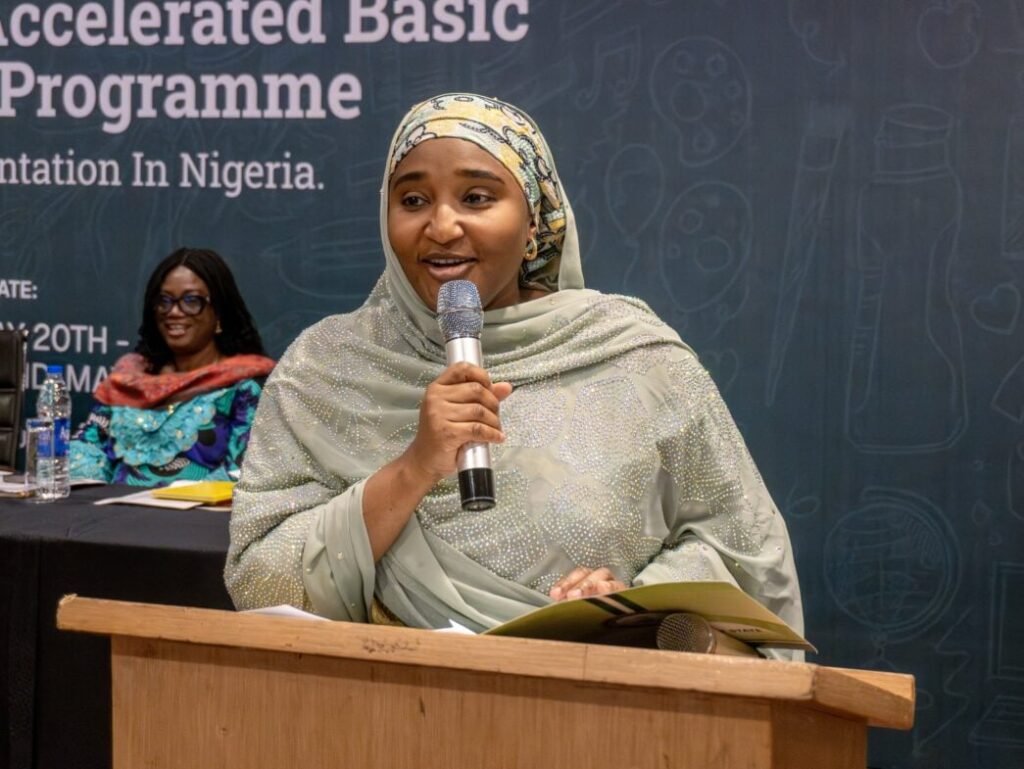
Ajiboye’s comments also shed light on deeper issues afflicting the education sector in Nigeria. While curriculum reform is necessary, it is only part of a broader set of challenges that include teacher shortages, poor working conditions, and uneven recruitment across states. Some states have not recruited teachers for over a decade, worsening classroom overcrowding and undermining learning outcomes.
Latest figures show that at the primary level, the teacher-to-student ratio in Nigeria stands at 1:35, well above the UNESCO-recommended ratio of 1:25. In rural areas, the shortage is particularly severe, leading to educational disparities and compromised learning experiences for children in those communities.
The shortage is part of a global trend, but Nigeria’s contribution to Africa’s deficit is significant. Ajiboye highlighted that worldwide shortages are estimated at around 45 million teachers, with Africa accounting for about 15 million of that total, and Nigeria representing a large share of the continental figure.
Another factor undermining teacher quality is the ongoing exodus of trained educators from Nigeria. Many seek opportunities abroad where working conditions, salaries, and job stability are more attractive. With teachers migrating in increasing numbers, Nigeria’s classrooms are left with fewer experienced and motivated professionals.
Voices from the Ground and the Path Forward
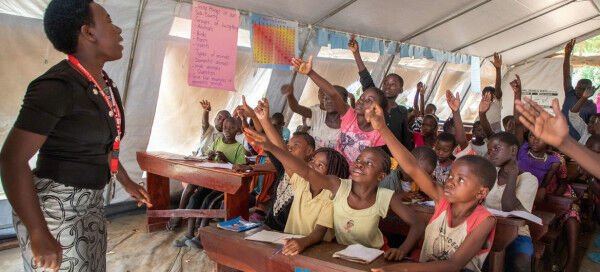
Teachers in rural schools paint a stark picture of the reality on the ground. In one account, a head teacher from Central School Amaba-Ugwueke, Abia State, lamented how poor infrastructure, lack of basic amenities, and understaffing make teaching extremely challenging. In these circumstances, even the best curriculum cannot be fully effective without addressing the working environment of teachers.
Despite these challenges, there are positive steps underway. The National Commission for Colleges of Education is actively reviewing existing curricula to align them with modern needs. Ajiboye also hinted that Nigeria might eventually consider moving towards minimum qualifications at the bachelor’s degree level for teachers, reflecting a longer-term vision for raising professional standards.
Stakeholders across the education sector agree that improving teacher quality requires a holistic strategy. This includes not only curriculum reform but also better recruitment practices, continuous professional development, improved welfare for educators, and investment in school infrastructure. Trade associations and education experts have, at various forums, called for stronger government commitment to these reforms to make the teaching profession more attractive and sustainable.
Ultimately, the path to transforming Nigeria’s education system lies in recognising teachers as key drivers of national development. A revamped curriculum that equips teachers with relevant skills, combined with a supportive professional environment, can boost the quality of education and propel Nigeria closer to its development goals.
Join Our Social Media Channels:
WhatsApp: NaijaEyes
Facebook: NaijaEyes
Twitter: NaijaEyes
Instagram: NaijaEyes
TikTok: NaijaEyes