In a major development for Nigeria’s farming sector, the African Development Bank Group has authorised a $200 million loan to expand agricultural productivity and strengthen food systems across the country. This significant financial backing targets Phase Two of the National Agricultural Growth Scheme – Agro-Pocket (NAGS-AP) and is seen as a game changer in efforts to modernise farming, bolster food security and promote climate-resilient practices in agricultural communities.
The announcement was made by the Bank’s Board of Directors and builds on earlier interventions designed to address Nigeria’s persistent agricultural challenges while unlocking growth opportunities for farmers of all scales. By focusing on productivity, efficient value chains and data-driven farming methods, this financing is expected to deliver broad benefits to the economy.
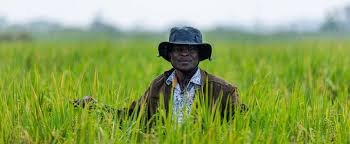
A New Chapter for Nigeria’s Agricultural Landscape
Agriculture remains a cornerstone of the Nigerian economy, providing employment for a substantial portion of the labour force and contributing significantly to the nation’s Gross Domestic Product. Despite its importance, the sector has struggled with low productivity, limited access to quality inputs and vulnerability to climate shocks. The new $200 million loan aims to change that narrative by equipping farmers with the tools and systems needed to thrive in a modern and competitive environment.
Under Phase Two of the National Agricultural Growth Scheme, the financing will support strategic interventions that cover several critical areas. These include improving access to high-quality seeds and fertilisers, strengthening value chains for key crops, revitalising agricultural extension services, and introducing digital and climate-smart farming technologies. The programme also places emphasis on better data management to enable evidence-driven decision-making by farmers and policymakers alike.
Officials from the Bank have highlighted the need for such investments as part of broader efforts to reduce food imports and boost Nigeria’s agricultural output. These measures are expected to make staple crop production more efficient and sustainable, improving food availability and stabilising prices for households nationwide.
Linking Past Progress to Future Potential
Phase One of the Agro-Pocket initiative laid an important foundation for what is now being scaled up. Through an online system rolled out across the country, farmers were able to access improved seeds, fertilisers and pesticides delivered through more than 600 authorised agro-dealers. This network played a crucial role in expanding cultivation and supporting local producers.
Early outcomes from that phase are already visible. During the 2023/2024 dry season, for example, wheat was planted across more than 118,000 hectares, leading to a significant increase in national production. Data from the initiative showed that Nigeria’s wheat output nearly tripled as a result. In total, more than half a million smallholder farmers benefited from support for crops such as wheat, rice, cassava, maize, sorghum and millet.
Building on these achievements, Phase Two will deepen investments and expand the reach of the programme. By enhancing digital tools and climate-resilient technologies, the initiative aims to improve the capacity of farmers to withstand environmental stresses and adapt to ongoing climate change.
Benefits for Farmers and the Economy
One of the bold goals tied to this financing is to uplift staple crop production in meaningful ways. For instance, the programme aims to increase wheat yields multiple times over and boost rice output by significant margins. These targets align with broader goals of strengthening national food self-sufficiency and reducing reliance on imported food supplies.
Beyond changes in output, the initiative seeks to create opportunities for youth and women in agricultural value chains. By integrating modern farming practices and opening up commercial farming pathways, the programme will help rural communities participate more robustly in Nigeria’s economic growth, opening doors for new jobs and investments.
Key actors in the agricultural sector have also underscored the importance of this phase for generating inclusive growth. With access to climate-smart technology and better financing structures, farmers are expected to see improvements in crop resilience, yields and income stability.
Looking Ahead: Implementation and Impact
The Phase Two project is scheduled to begin in March 2026 and will run for a period of four years. Its implementation aligns with the African Development Bank’s broader strategy of empowering communities through technology, innovation and sustainable practices, emphasising the need to create resilient agricultural systems that can endure future shocks.
Support from the Bank has played a role in a variety of related initiatives in Nigeria. These include partnerships to enhance water and sanitation infrastructure, trade finance arrangements, and investments aimed at small and medium enterprises that engage with agricultural markets. Such activities demonstrate a holistic approach to development that extends beyond the farm gate into markets, services and rural infrastructure.

For Nigeria, this latest injection of support could mark a turning point in the pursuit of agricultural modernisation and food security. As global demand for resilient food systems grows, investments like the $200 million loan could be key to positioning the country as a thriving agricultural hub not only within West Africa but across the continent.
If successful, the strategy may lead to stronger rural economies, greater export opportunities and lasting improvements in the well-being of millions of Nigerians whose livelihoods depend on farming and its related industries.
The African Development Bank’s approval of the $200 million agricultural loan to Nigeria represents a substantial push toward transforming the sector into a more productive, climate-resilient and inclusive engine of economic growth.
Join Our Social Media Channels:
WhatsApp: NaijaEyes
Facebook: NaijaEyes
Twitter: NaijaEyes
Instagram: NaijaEyes
TikTok: NaijaEyes