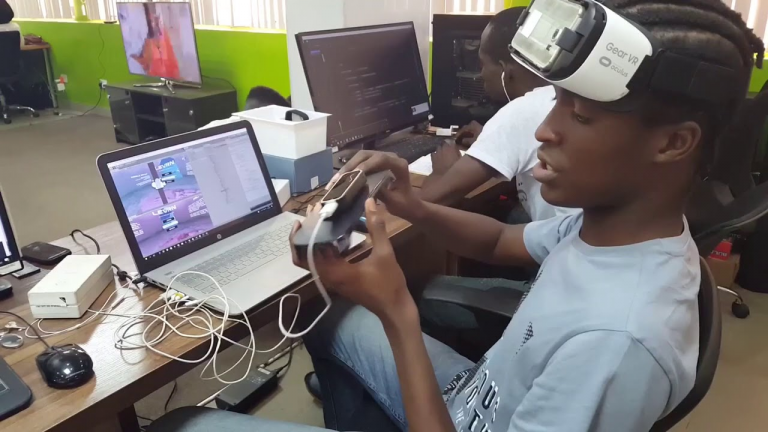
In a significant move to expand learning opportunities and empower teachers across the world, the UNESCO Institute for Lifelong Learning (UIL) joined hands with the Global Alliance for Literacy (GAL) and technology partner Huawei to unveil a new digital skills course for literacy educators. This free online programme seeks to bridge persistent gaps in professional development and provide literacy teachers with tools to thrive in an increasingly digital education landscape. The official global launch took place on 18 February 2026 during a live webinar attended by education leaders and literacy advocates from around the world.
At the heart of this initiative is the belief that literacy educators are key to building inclusive and equitable learning environments. Yet many educators continue to face obstacles such as limited access to ongoing training and the challenge of adapting to rapid technological change. The COVID-19 pandemic further exposed these inequalities, especially in remote, low-resource and crisis-affected regions where access to digital tools and professional support networks is weak. In response, UIL and its partners developed a flexible, multilingual course designed to equip educators with the digital skills needed to support learners effectively.
Available in English, French, Arabic and Spanish, the course is hosted on the UIL Learning Hub, ensuring broad accessibility across diverse regions and language communities. Participants who complete the programme will receive a certificate to recognise their new competencies and support their ongoing professional growth. The launch webinar provided an overview of the course’s structure, its grounding in international education frameworks, and perspectives on capacity-building from education leaders across Africa, Asia, and Latin America.

A Course Designed for Real Challenges and Global Reach
The new digital skills course responds to urgent calls for modern professional development opportunities for literacy educators. Today’s classrooms and learning spaces are shaped by digital technologies in every corner of the world. Literacy teachers play a pivotal role in helping both youth and adult learners navigate the opportunities and challenges of this environment. Digital competencies are no longer optional; they are central to ensuring learners can thrive in work, civic life and everyday communication.
The course offers a self-paced learning pathway that enables educators to improve their understanding of digital tools and strategies at their own rhythm. It covers practical skills for integrating information and communication technologies into literacy instruction, helping teachers design more engaging and effective learning experiences. The multilingual format also ensures that educators in different regions can access the material in a language that suits their context, promoting inclusion and wider participation.
More than just a technical training, the programme emphasises learner-centred approaches, encouraging educators to use digital tools to support adult learning in respectful and dialogic ways. It draws on key global education frameworks such as UNESCO’s Recommendation on Adult Learning and Education and the DELTA framework for digital empowerment in lifelong learning. Upon completion, participants receive a certificate that can help to strengthen their professional credibility and recognition.

Insights from Global Education Leaders
The launch webinar featured a panel of speakers from national educational bodies and civil society organisations who shared examples of how digital capacity building can transform literacy education. Among them was Mr John Edeh Onimisi, Director of Literacy and Development at the National Mass Education Commission in Nigeria. Mr Onimisi highlighted how equipping educators with digital skills can help lift learning outcomes and strengthen community engagement. His insights reflected a broader call for national governments and partners to integrate digital competency development into education strategies and policy frameworks.
Panellists also included representatives from Morocco, Chad, India, the Asia South Pacific Association for Basic and Adult Education, and DVV International in Latin America. They discussed region-specific challenges and opportunities for literacy educators, including how to adapt digital learning tools in diverse cultural and linguistic contexts. This global perspective underscored the importance of tailoring digital skills training to local needs and realities.
The webinar also brought voices from academia, with testimonies from educators such as Professor Blessing Anyikwa of the University of Lagos. Her reflections highlighted how digital literacy training has practical value for educators working with adult learners in complex environments. These contributions helped attendees appreciate the real-world impact of improved training and the potential for such initiatives to strengthen lifelong learning ecosystems globally.
How to Join and What to Expect
The global launch event offered insights into the course content and encouraged a wide range of stakeholders to take part. Governments, civil society organisations and regional networks were invited to champion the programme and to adapt it to their specific contexts. The aim is to build a strong global community of literacy educators who can share best practices, support one another and champion the use of digital tools that enhance teaching and learning.
The course is freely accessible to literacy professionals around the world through the UIL Learning Hub. With materials available in four major languages, it supports educators in both formal and non-formal learning settings. Participants can work through modules at their own pace and engage with content designed to strengthen their confidence in using digital technologies as part of effective teaching practice.
For literacy educators eager to grow their digital skills, this initiative is a timely opportunity. The programme represents a collaborative effort to reduce barriers, raise professional standards and ensure that educators are well-positioned to support learners in a rapidly evolving educational landscape. Governments and education stakeholders have been urged to promote uptake of the course and support its integration into national and regional training systems.

Conclusion
The launch of this global digital skills course for literacy educators marks a meaningful step towards more inclusive, equitable and modern education systems. Literacy educators are central to lifelong learning journeys for millions of learners, and equipping them with digital skills can multiply the benefits across communities and societies. With free access, multilingual content and a certification pathway, the programme lays a strong foundation for building professional capacity and promoting digital inclusion around the world.
For educators and education supporters alike, the message is clear: investing in teacher development and digital literacy is a critical part of creating learning systems that are resilient, adaptable and capable of meeting learners’ evolving needs in the 21st century.
Join Our Social Media Channels:
WhatsApp: NaijaEyes
Facebook: NaijaEyes
Twitter: NaijaEyes
Instagram: NaijaEyes
TikTok: NaijaEyes