The reality of Nigeria’s CNG infrastructure despite big money investment.
Nigeria is currently navigating a very tricky energy transition that has left many citizens wondering when the promised relief will finally arrive. Since the removal of the petrol subsidy, the Federal Government has been singing the praises of Compressed Natural Gas as the ultimate solution to our high transport costs.
The “koko” of the matter is that while the talk has been plenty, the action on the ground is struggling to keep up with the hype. We have seen over 2 billion dollars in private sector investments committed to this sector in just about two years, which is no small change at all.
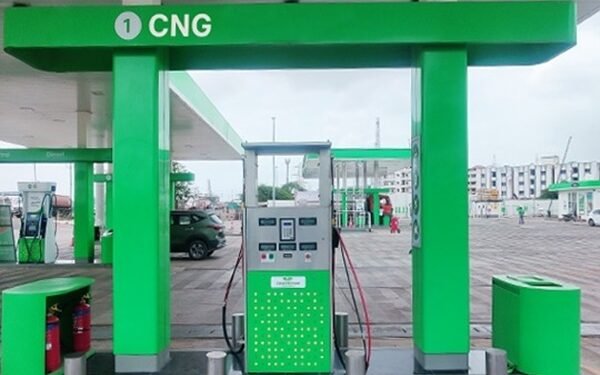
As a professional editor who follows these trends closely, I find it quite worrying that despite this massive “ginger” from the private sector, the actual number of functioning stations is still looking a bit scanty. The dream was to have a country where you could easily drive your gas powered vehicle from Lagos to Maiduguri without any “wahala,” but we are clearly not there yet.
Why the 2025 targets for conversion centres and gas stations are lagging.
When the Presidential CNG Initiative was launched in 2023, the targets set were quite ambitious and gave many Nigerians hope. We were told to expect at least 500 conversion centres and over 150 retail outlets across the nation by the end of 2025. This was supposed to be the backbone of the new energy era. However, as we look at the data available in early 2026, the gap between the vision and the reality is quite wide.
Reports show that while we have over 300 conversion centres, we only have about 40 refueling stations built since the project started. This means we have not even reached one third of the target for the stations where people will actually buy the gas.
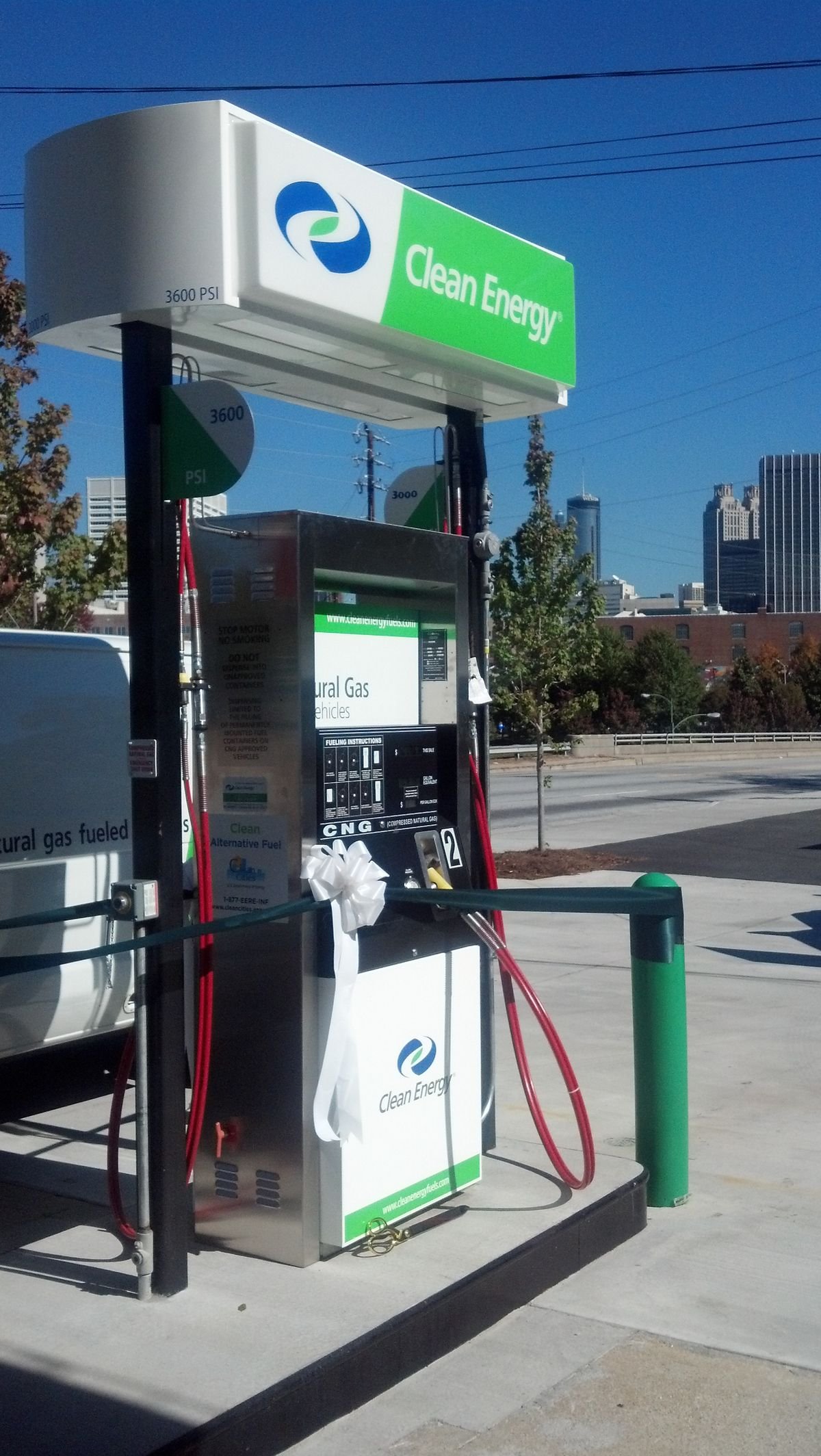
It is like building a car without a petrol tank. The investors have done their part by putting down the “ego,” but the implementation phase is moving at a pace that can best be described as “slow and steady” when we actually need “fast and urgent.”
The struggle for transparency and data in the gas sector
One major issue that continues to plague our public projects is the difficulty in getting clear and consistent information. When journalists and researchers tried to get a proper breakdown of the progress made specifically in 2025, they were met with a lot of “go and come” from different government agencies.
This lack of transparency makes it hard for the public to trust the process. We need to know exactly where the money is going and why the project is stalling in certain areas. In the business of national development, “grammar” is not enough; we need verifiable facts.
If the government wants Nigerians to fully embrace this transition, they must be more open about the challenges they are facing so that we can all find a way forward together.
Moving from promises to actual results for the common man
At the end of the day, what the average Nigerian cares about is how much they spend on their daily commute. Whether it is a “yellow bus” driver in Lagos or a civil servant in Abuja, the high cost of fuel is a heavy burden that everyone is carrying.
The “sapa” in the land is real, and the CNG initiative was sold as the “antidote.” We cannot afford to let this project become another “abandoned property” in the history of Nigerian infrastructure.
The focus must now shift from celebrating headline investment figures to ensuring that every local government area has easy access to gas. We want to see the 150 stations operational and the conversion centres buzzing with activity.
Only then can we say that the 2 billion dollars has truly worked for the people. It is time to stop the “shakara” and deliver the results that will put money back into the pockets of the masses.
Join Our Social Media Channels:
WhatsApp: NaijaEyes
Facebook: NaijaEyes
Twitter: NaijaEyes
Instagram: NaijaEyes
TikTok: NaijaEyes